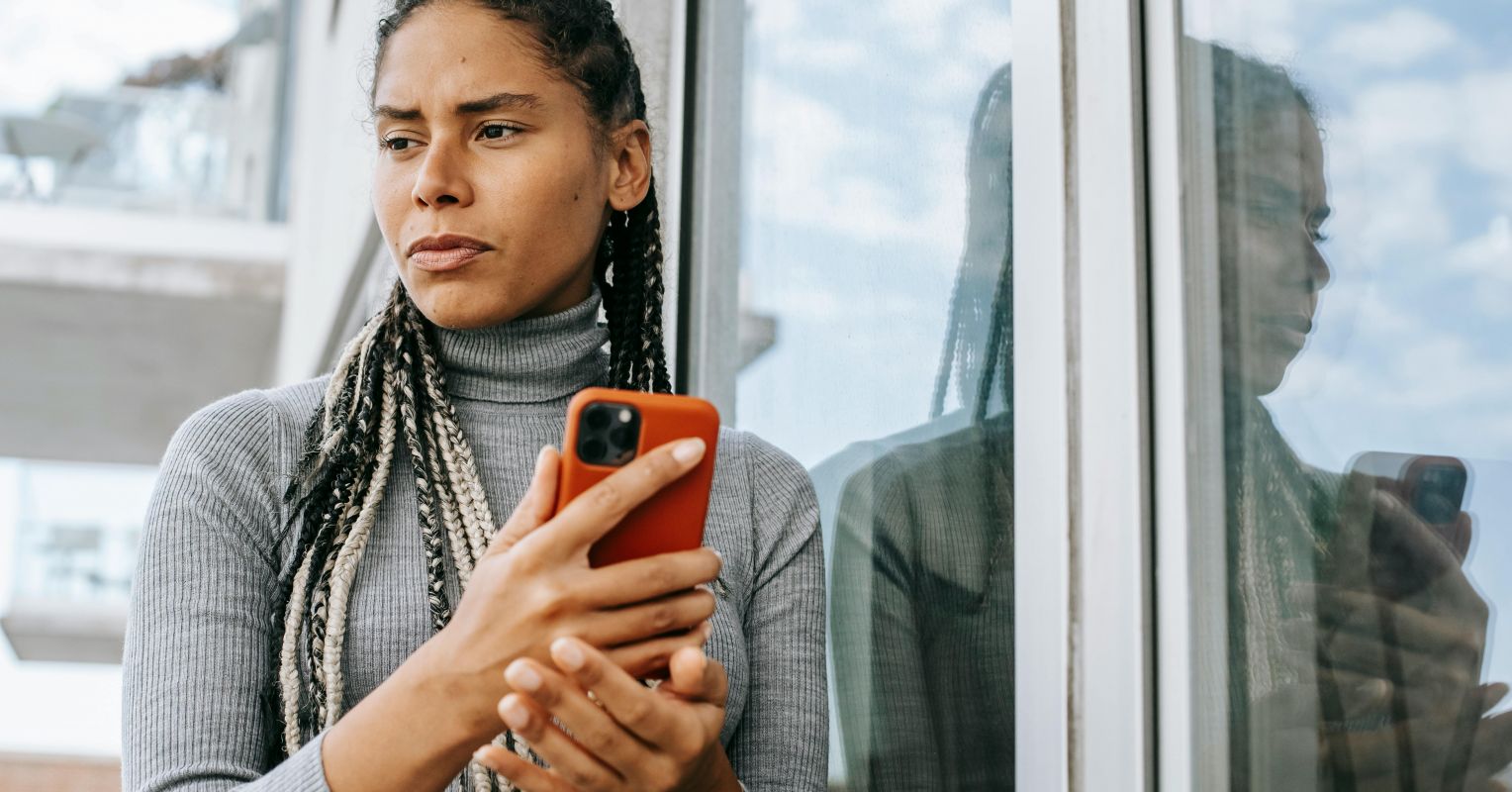
"The news is rarely just information. It moves through identity, family memory, and the nervous system. We often speak about 'staying informed' as if information lands the same way for everyone. It does not. In moments of war, humanitarian crisis, or political controversy, people tend to occupy different psychological positions even when reading the same story."
"For people with roots in an affected region-immigrants, diaspora communities, refugees, or those with family still there-the news is deeply relational. You may be physically safe, but your body may not fully register safety. Media exposure to global crises can increase distress and anxiety by sustaining uncertainty and threat perception signals to the nervous system."
"What helps is not emotional detachment but intentional pacing: Structured news consumption rather than endless scrolling. Naming layered grief-the present crisis alongside older wounds. Maintaining contact with loved ones in ways that are intentional rather than reactive."
People experience the same news headlines differently depending on their identity, family history, and trauma background. For diaspora communities and those with roots in affected regions, news about crises activates complex emotional responses including memories of leaving, fears for family, and intergenerational trauma. Media exposure to global crises can increase anxiety by sustaining threat perception signals to the nervous system. Rather than pursuing emotional detachment, psychological wellbeing comes from intentional news consumption practices, structured rather than endless scrolling, acknowledging layered grief, and maintaining purposeful contact with loved ones. Recognizing individual nervous system responses to headlines preserves psychological choice and agency.
#news-consumption-and-mental-health #diaspora-and-intergenerational-trauma #nervous-system-regulation #emotional-responses-to-global-crises #psychological-wellbeing
Read at Psychology Today
Unable to calculate read time
Collection
[
|
...
]