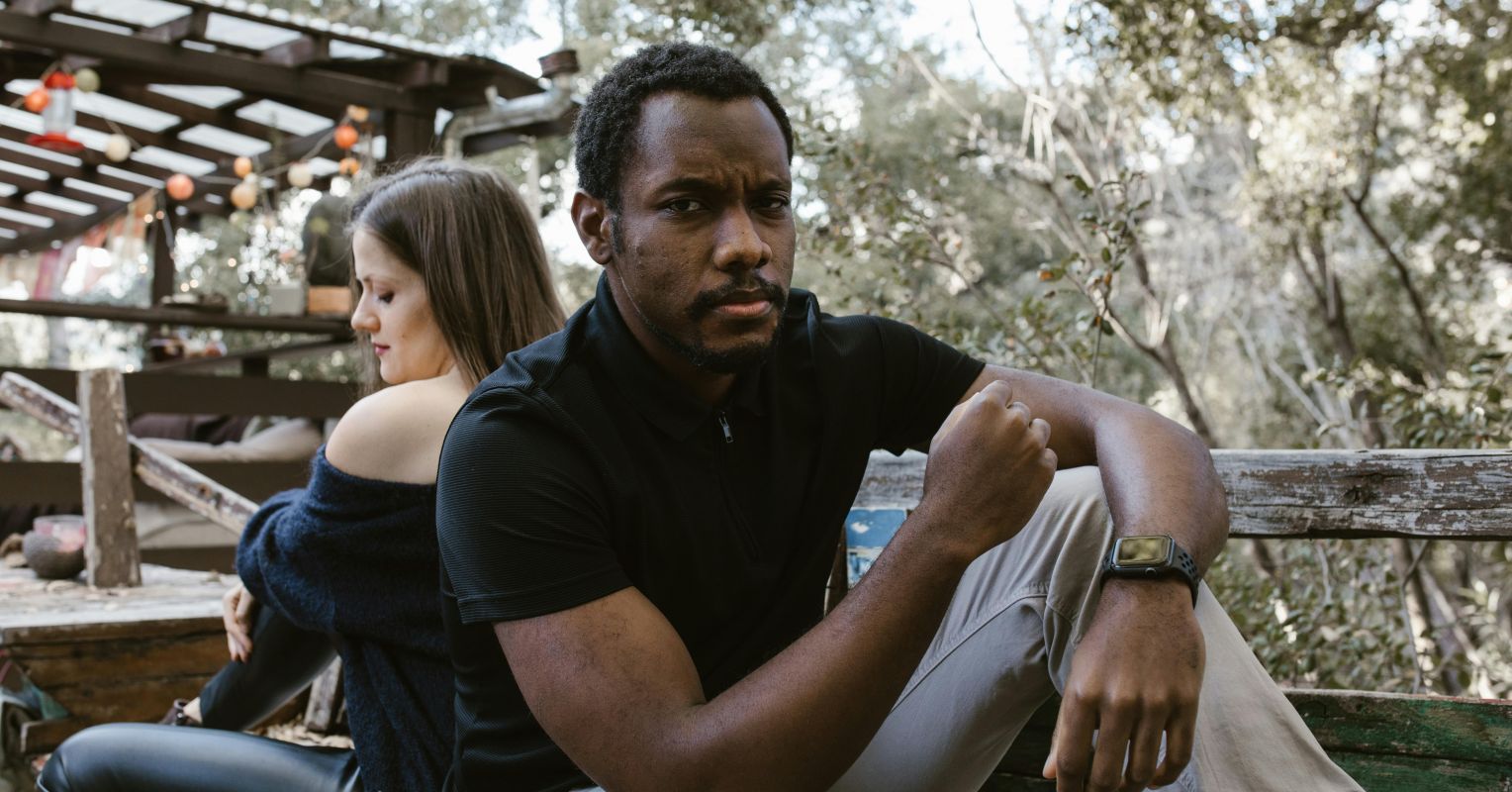
Many highly sensitive and gifted adults remain in toxic relationships despite clearly recognizing dysfunction. Giftedness in this context refers to heightened sensitivity, deep processing, rapid pattern recognition, and strong intellectual drive rather than academic achievement or IQ. Early parentification trains individuals to take on caretaking roles and to tolerate dysfunction beyond their developmental capacity. High empathy combined with intellectual analysis can lead to rationalizing harm, second-guessing personal reality, and staying in damaging dynamics. These patterns create frustration, confusion, and self-blame in otherwise capable, high-functioning people, making leaving or changing relationships uniquely difficult.
"A common misconception is that people who remain in toxic or abusive relationships are weak, dependent, or oblivious to the harm. In reality, many people who struggle to break free from relationships that are no longer working are intelligent, capable, high-functioning, and empathic. They see the dysfunction clearly and can even articulate what is wrong, and yet they struggle to leave, get frustrated with themselves, and do not understand why that is."
"In this context, "gifted" does not mean academic achievement or high IQ. It is related to how you are wired and a way of being in the world differently. You may process life experience with extra depth, speed, and complexity; see patterns and connections others miss; and have higher-than-average emotional sensitivity and intellectual drive. Being highly sensitive and gifted means your sensitivity and intelligence allow you to connect with others in meaningful ways,"
"Many highly sensitive and intelligent adults grew up parentified. Parentification describes a role-reversal family dynamic, where you become the parent to your own parents. Even as a child, you carried responsibilities that were beyond your developmental capacity. You might have been your siblings' caretaker, your parents' confidant, their emotional anchor. They leaned on you as though you were a peer, not a child who needed protection."
Read at Psychology Today
Unable to calculate read time
Collection
[
|
...
]