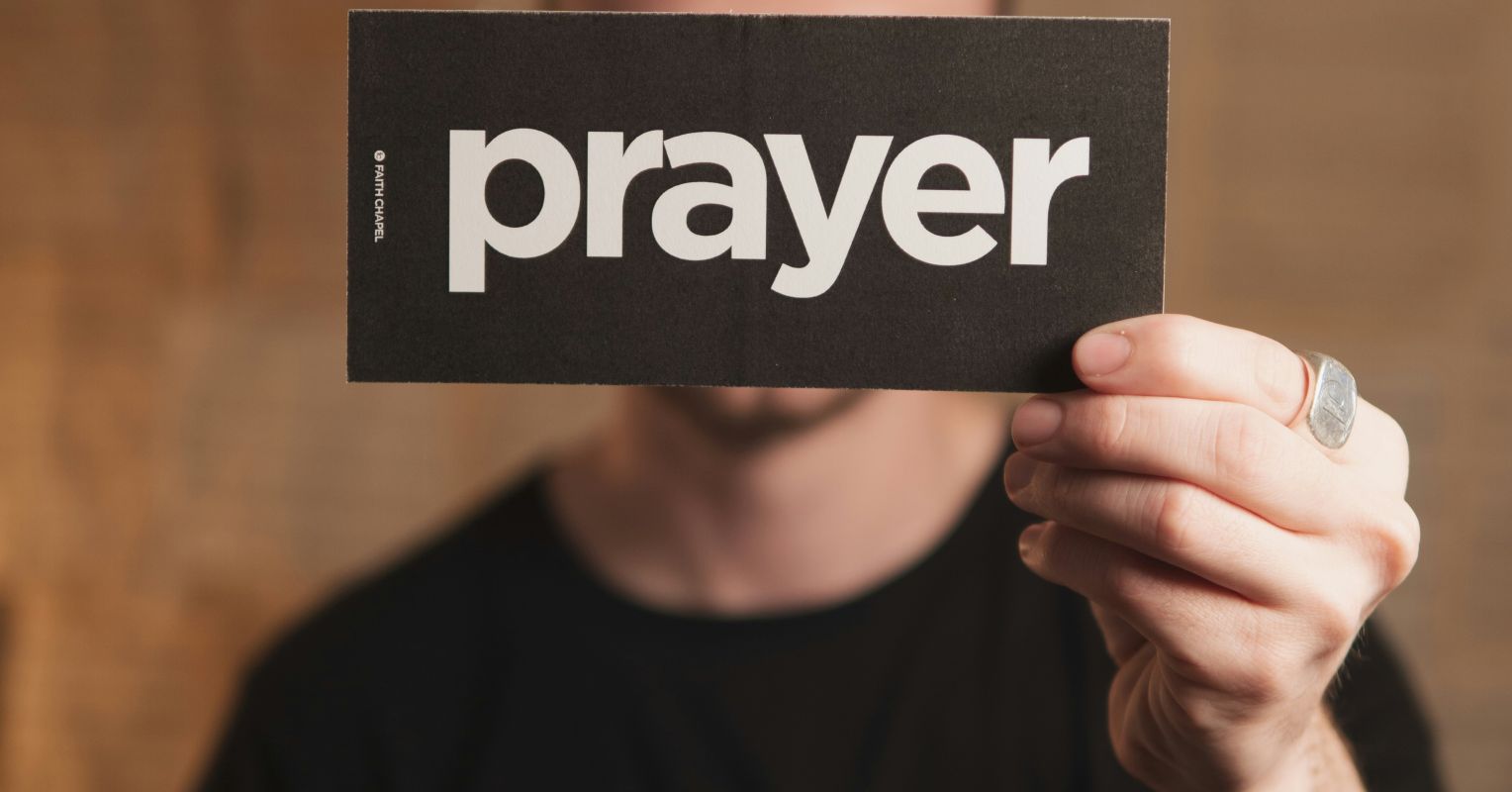
"Spiritual bypassing is when spiritual language is used to avoid emotional reality rather than help people heal. In therapy, we believe healing often begins by sharing thoughts and feelings with another person. But some experiences feel bigger than psychology alone. Some people call this the spiritual dimension. Faith, prayer, and belief in God can absolutely be part of healing."
"The problem is when spirituality becomes a shortcut instead of a support. The late psychotherapist John Welwood coined the term "spiritual bypassing" to describe this pattern. He noticed that even sincere spiritual people could use spiritual ideas to avoid unresolved emotional wounds, psychological struggles, and unfinished developmental work. In other words, spiritual truth can become a way to dismiss ordinary human pain. Instead of helping, spirituality becomes a kind of spiritual Band-Aid."
"It often sounds well-meaning: "You just need to pray more." "God is in control, so stop worrying." "Just forgive and move on." "If your faith were stronger, this would not bother you." "The most important encouragement I have for you is to tell God. Cry out to Him." Prayer matters. Faith matters. But when those responses come too quickly, people often hear something very different: "Take it to God instead of bringing it here." "That is where spiritual care becomes spiritual bypass.""
"For couples, it can sound like this: "Every marriage has rough spots." "Pray with your spouse. Satan hates this." "Humility honors God the most." "You both need to own your part." "God can heal this if you both surrender." These statements may contain truth, but they can also flatten complexity. Sometimes, "You both need to own your part" becomes a way of staying neutral rather than honestly asking whether harmful relation"
Spiritual bypassing uses spiritual language to avoid emotional reality rather than help people heal. Healing often begins with sharing thoughts and feelings with another person, yet some experiences feel larger than psychology alone and may be described as a spiritual dimension. Faith, prayer, and belief in God can support healing, but spirituality becomes harmful when it functions as a shortcut instead of support. The term “spiritual bypassing” describes sincere spiritual people using spiritual ideas to avoid unresolved emotional wounds, psychological struggles, and unfinished developmental work. Spiritual truth can dismiss ordinary human pain, turning spirituality into a “spiritual Band-Aid.” Well-meaning responses like “pray more” or “God is in control” can be heard as avoidance, and relationship advice can flatten complexity and neutrality can replace honest inquiry.
#spiritual-bypassing #therapy-and-healing #faith-and-prayer #emotional-avoidance #couples-counseling
Read at Psychology Today
Unable to calculate read time
Collection
[
|
...
]