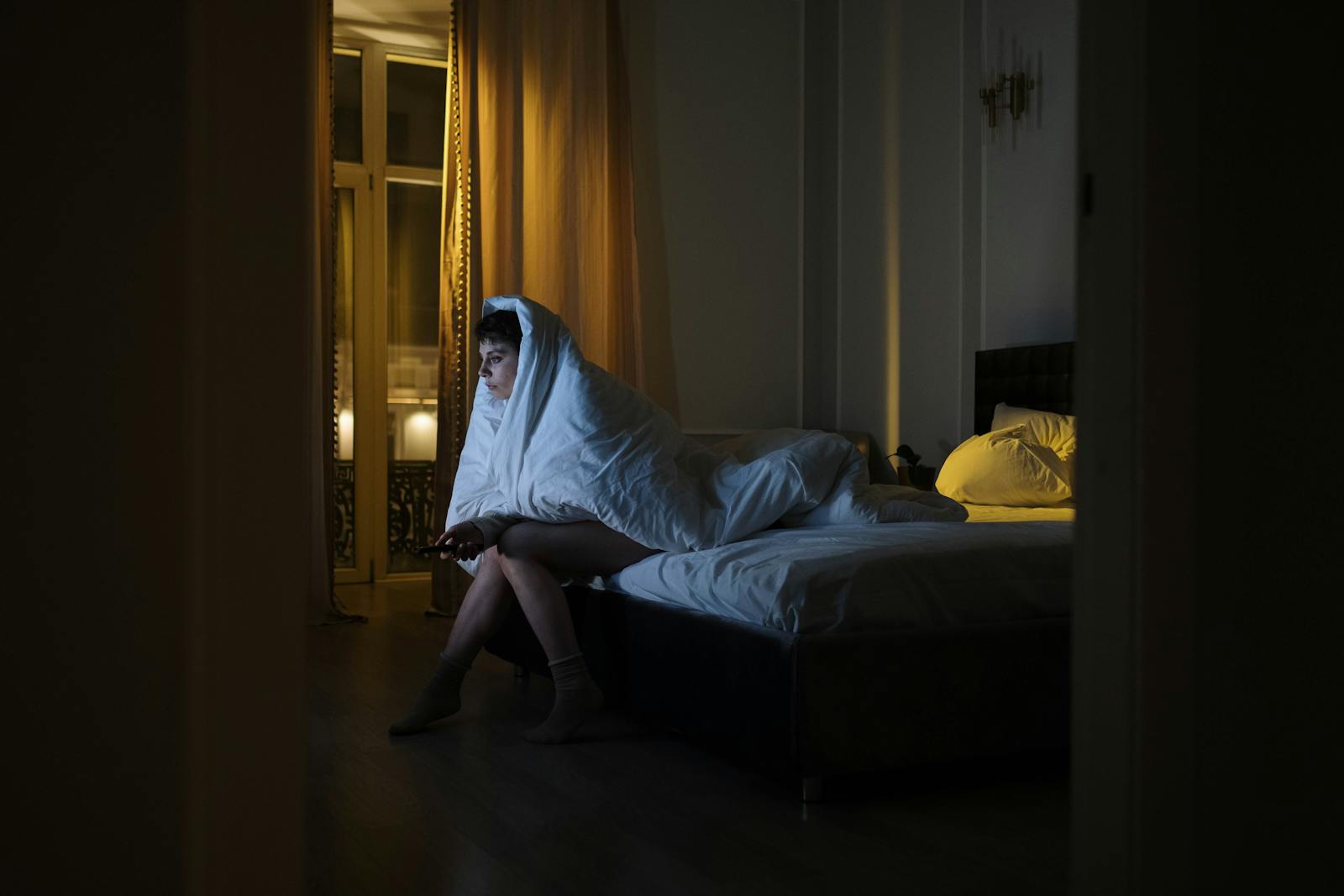
"The exhaustion is specific. It doesn't feel like regular tiredness. It feels like being hollowed out. You've given so much attentional energy to other people's inner worlds that your own starts to feel like a room you forgot to furnish. What makes this particularly insidious is that it's self-reinforcing. The better you are at holding space for people, the more people come to you."
"People aren't being cruel when they skip the "How are you?" with their most emotionally competent friend. They genuinely perceive that person as okay. This is a well-documented cognitive bias called the "helper's shield" effect, where we unconsciously attribute greater emotional resilience to people who display caregiving behavior."
People who consistently provide emotional support to others—the "strong friends"—experience a specific form of exhaustion called compassion fatigue, originally identified in healthcare workers but now recognized across all populations. This exhaustion differs from regular tiredness; it creates a hollowed-out feeling where individuals have invested so much emotional energy in others' inner worlds that their own needs become neglected. The situation becomes self-reinforcing: the better someone is at supporting others, the more people seek them out, further fusing their identity with the caregiver role. A cognitive bias called the "helper's shield" effect causes others to unconsciously perceive emotionally competent people as inherently resilient, leading them to skip checking in on these individuals' wellbeing. This dynamic creates a painful paradox where the most supportive people receive the least support.
Read at Silicon Canals
Unable to calculate read time
Collection
[
|
...
]