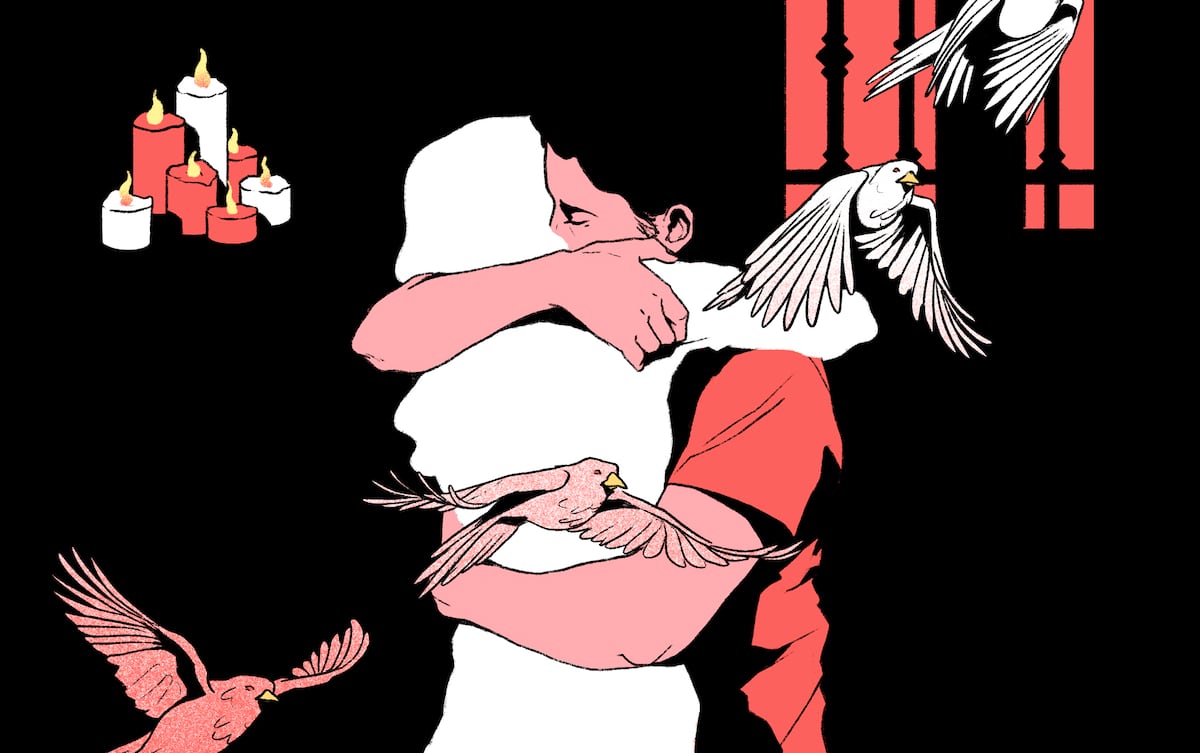
"For those left behind, the death is the beginning of a difficult, lonely and deeply singular process. It's a kind of grief that rarely finds sufficient words, spaces, or social recognition. People die by suicide every day. And behind each of these deaths are families, friends, partners and close circles who continue to live with a loss that's rarely included in the public narrative of suffering."
"For years, we have used the term suicide survivor or survivor of suicide to describe the reality of those who have experienced the suicide of a loved one. We call them survivors because this situation forces them to go through a specific grieving process, one that's distinct from other experiences of loss. It's marked by profound distress and an intense sense of loneliness."
Surviving the suicide of a loved one triggers a uniquely difficult, lonely and singular grieving process that often lacks words, spaces and social recognition. Families, friends, partners and close circles live with a loss that remains excluded from public narratives of suffering. The grieving process involves profound distress, intense loneliness and a complex, consuming guilt marked by persistent "what ifs" that impair daily functioning. Closer emotional ties intensify self-scrutiny with thoughts like "I should have realized" or "If I had acted differently, it could have been avoided." Shame from persistent myths—such as suicides occur only among the weak or from lack of love—further isolates survivors and hinders healing.
Read at english.elpais.com
Unable to calculate read time
Collection
[
|
...
]