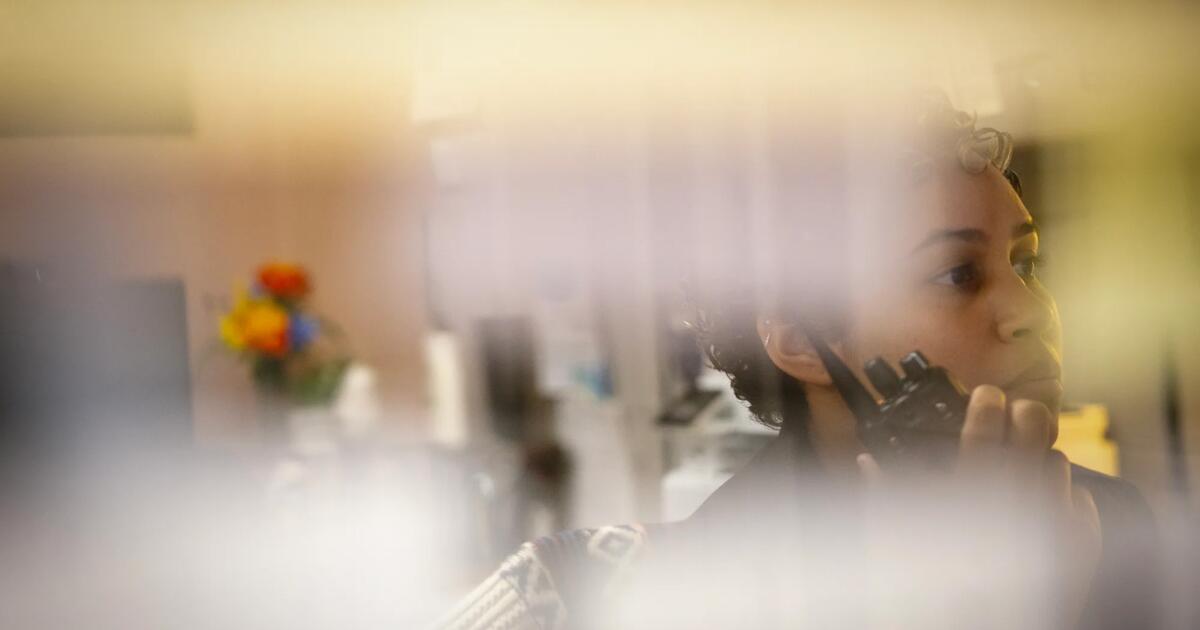
""Normally, she won't call like this unless she's starting to get towards a crisis," Fair said. If Fair keeps her close, it will ensure she is connected with the services she needs and prevent her from calling 911 dispatch, reducing the possibility of a full-blown crisis involving officers or unnecessary hospitalizations. "I fill in the gaps," said Fair. "It's just a matter of getting her the right supports.""
""It's working, according to a new study of San Mateo County's efforts from Stanford's John W. Gardner Center for Youth and Their Communities, which found that pairing law enforcement officers with mental health clinicians reduces the likelihood of costlier and more intrusive interventions. Fair was hired four years ago as part of a program to pilot this approach, also known as a "co-responder model," across San Mateo County's four largest cities - Daly City, San Mateo, Redwood City and South San Francisco.""
San Mateo County implemented a co-responder model pairing police officers with mental health clinicians across major cities to provide alternatives to incarceration and emergency hospitalization. Clinicians respond alongside officers and provide continuous follow-up, connecting people with services and preventing crisis escalation. Research found the model decreased involuntary psychiatric holds by approximately 17% in four pilot cities and reduced the likelihood of subsequent mental health 911 calls. The approach freed up police resources while offering less intrusive interventions. The program expanded from pilots to nearly every city in the county. Clinicians also manage high-risk clients through regular contact to prevent emergency calls.
Read at Los Angeles Times
Unable to calculate read time
Collection
[
|
...
]