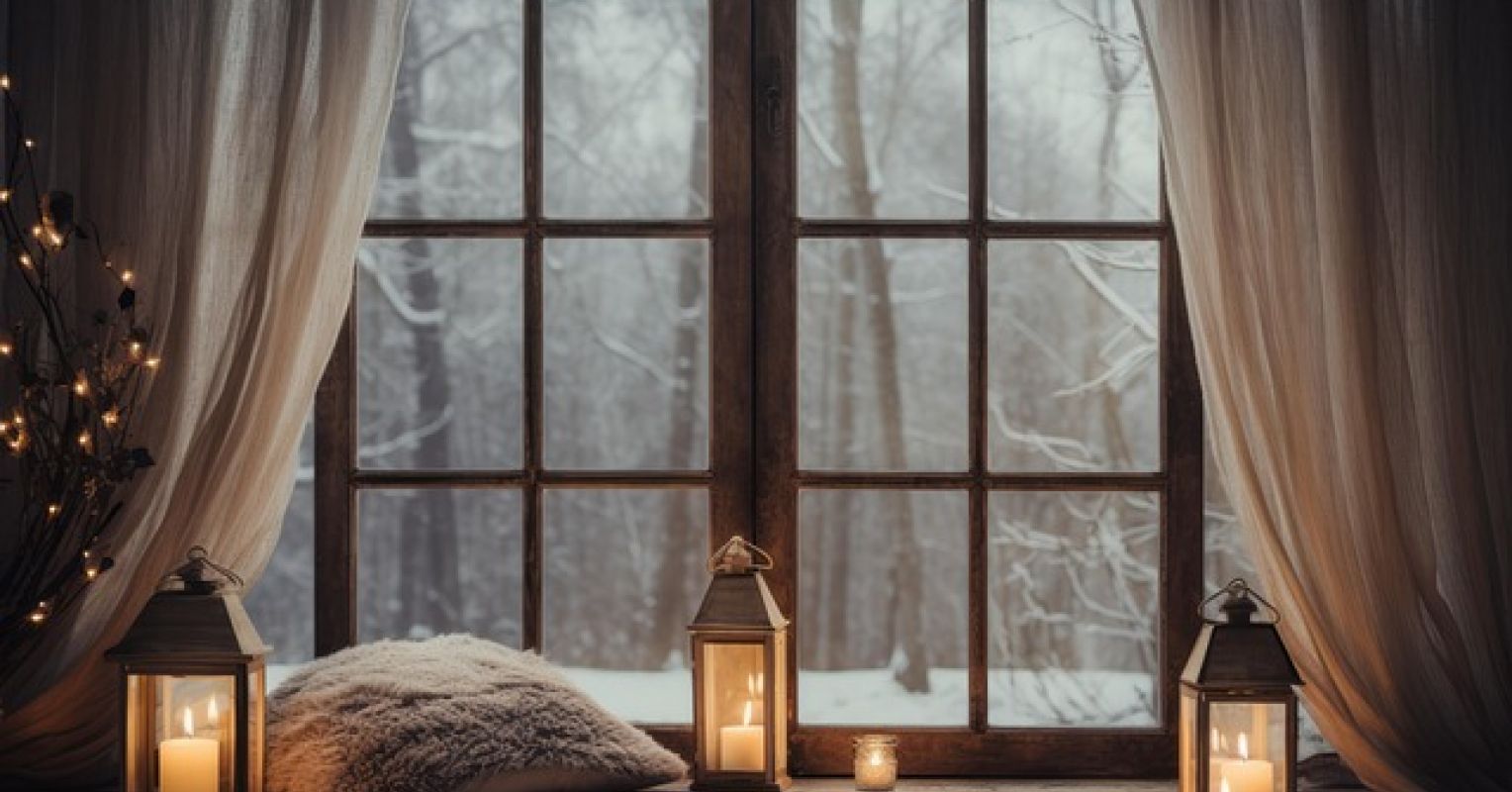
"The holiday hustle, bustle, and distractions have come to a halt, and the stillness of winter is starting to set in. The winter season can also be a beautiful time of year for some, with cozying up by the fireplace, enjoying the crisp winter air, and engaging in outdoor activities unique to the season. But for others, the shorter amount of daylight, cold weather, lack of greenery, cabin fever, fewer outdoor activities, and slower pace can begin to wear on them as the season progresses."
"Common conversation can involve complaining about the cold, the snow, the holidays, the roads, the lack of sunlight, and more. This "small talk" is almost expected in some regions, and it can be easy to join in this negativity. Some of the experience of Winter is actually shaped by family and the community at large. However, winter arrives predictably each year, and focusing on all the downsides does not make it more tolerable; in fact, it can make it drag on longer."
Winter brings shorter daylight, colder weather, reduced greenery, and fewer outdoor activities that can negatively affect mood as the season progresses. Approximately 5% of Americans meet criteria for Seasonal Affective Disorder, while another 10–20% experience milder winter blues. Social norms and routine complaints about weather and holidays can amplify negative perceptions and prolong discomfort. Cultural contexts matter: some northern countries endure extreme darkness yet report low depression rates, indicating that framing and adaptive practices influence outcomes. Acceptance, intentional adaptation, and reframing of winter experiences can make the season more tolerable and even enjoyable.
Read at Psychology Today
Unable to calculate read time
Collection
[
|
...
]