"Ever stared at something so daunting that your brain just shut down? That was me, standing in a Melbourne warehouse, surrounded by endless rows of TVs that needed shifting. Fresh out of university with a psychology degree, I'd taken this job thinking it would be temporary. Just a quick way to pay bills while I figured out my next move."
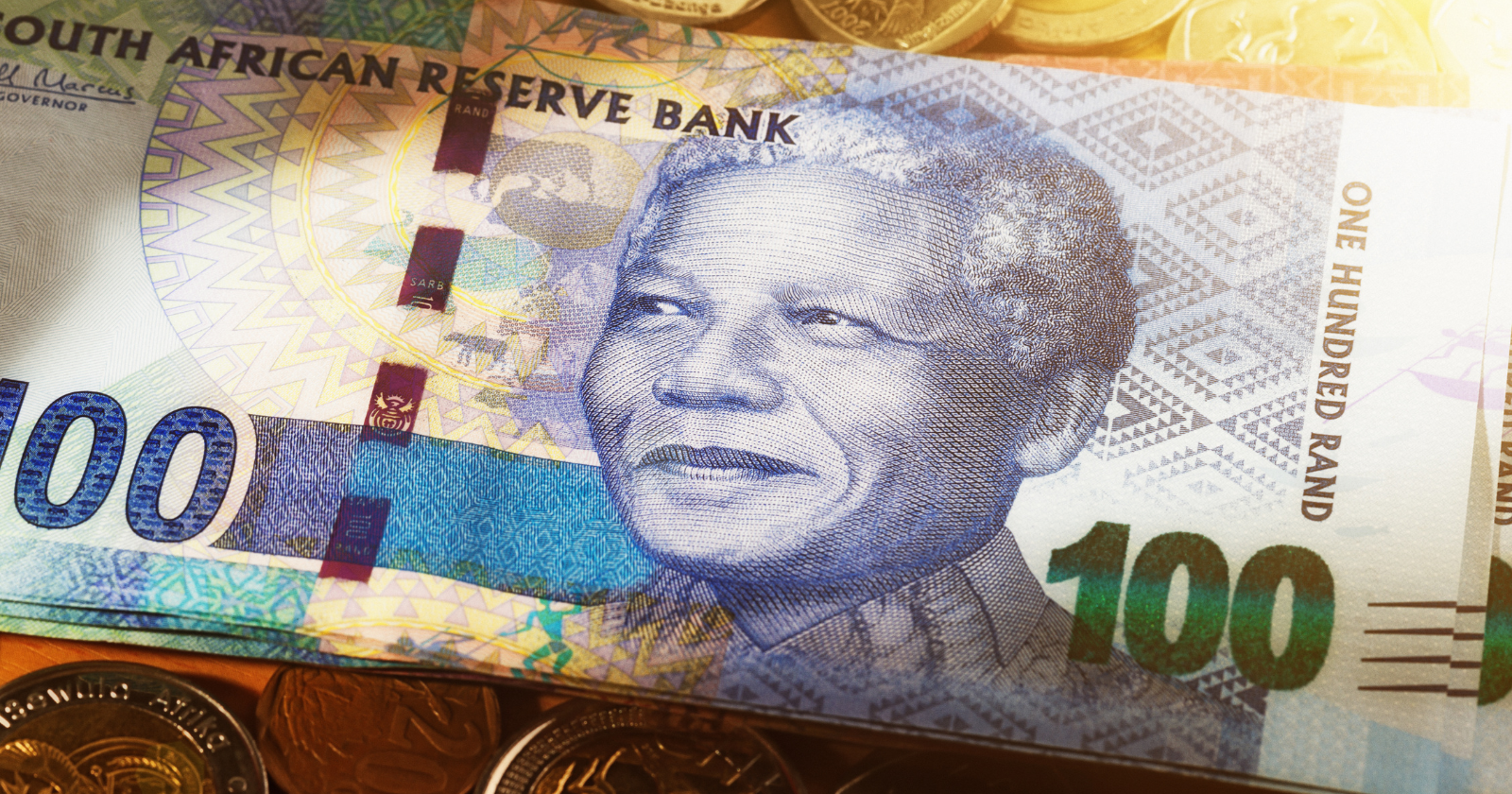
"Nelson Mandela once said, "It always seems impossible until it is done." Back then, those words would have felt like empty motivation. But now, years later, after founding Hack Spirit and completely rebuilding my life in Southeast Asia, I understand exactly what he meant. The thing about impossible tasks is that they're only impossible in our heads. We build them up into these massive, unconquerable mountains."
"Our brains are wired to keep us safe. When we face something challenging or unfamiliar, our amygdala kicks in, flooding us with fear and doubt. It's an evolutionary response that once kept our ancestors from being eaten by saber-toothed tigers. But here's the kicker: most of what feels impossible today isn't actually dangerous. It's just uncomfortable. Starting that business? Uncomfortable, not impossible. Having that difficult conversation? Uncomfortable, not impossible. Changing careers at 40? You get the idea."
An early-career warehouse job created feelings of despair and paralysis despite holding a psychology degree. Daily routines felt soul-crushing and separated the individual from meaningful goals. The perception of impossibility arises from internal narratives that magnify challenges into insurmountable mountains. Fear and doubt are triggered by the amygdala as an evolutionary safety response, but most modern obstacles are uncomfortable rather than dangerous. Reframing tasks as uncomfortable rather than impossible enables taking small initial steps. Personal transformation occurred through bravery or desperation, leading to founding Hack Spirit and rebuilding life in Southeast Asia.
Read at Silicon Canals
Unable to calculate read time
Collection
[
|
...
]