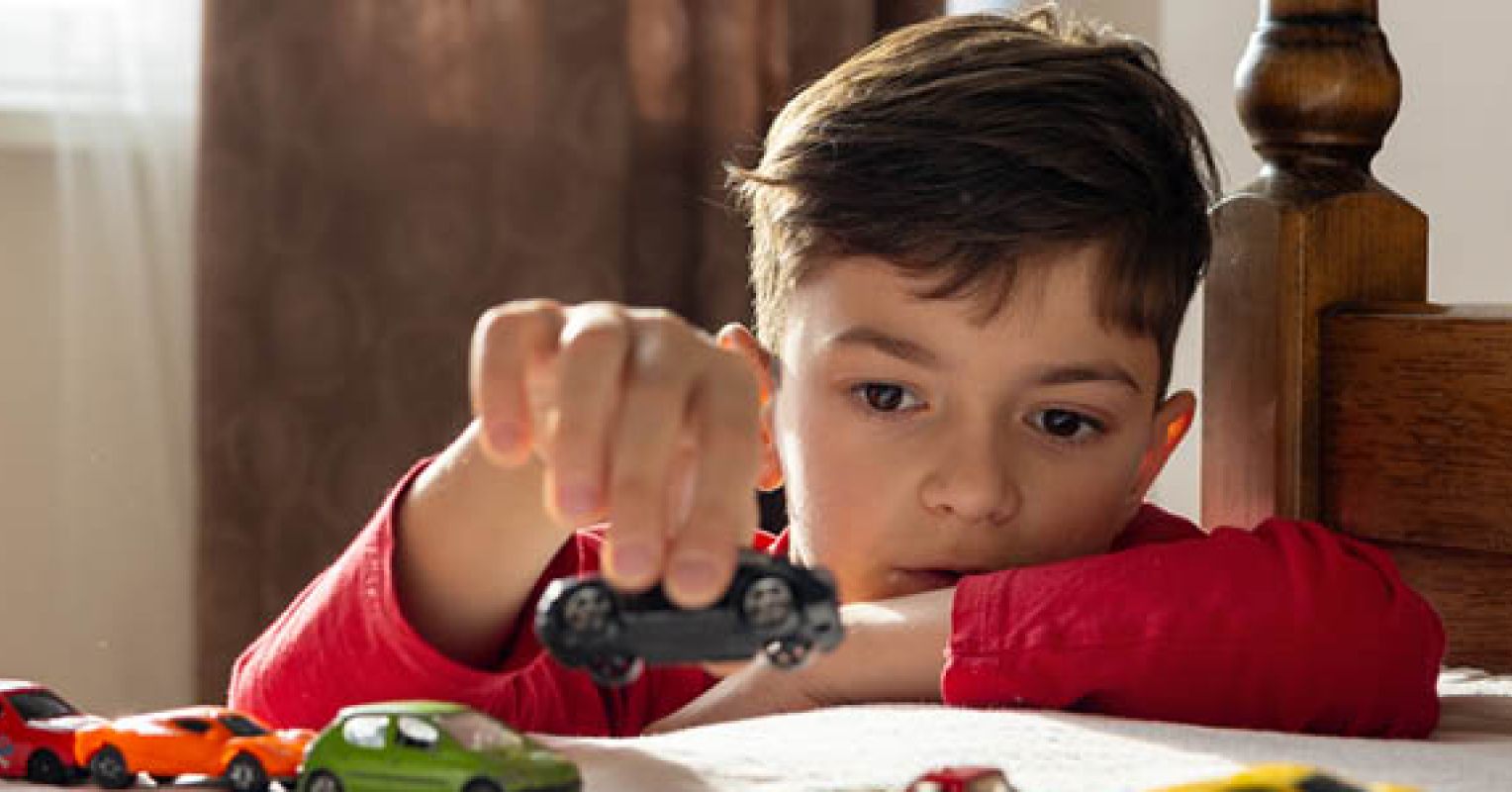
"But play is not a reward. It is a biological, psychological, and social need (Brown, 2009; National Institute for Play, n.d.). Across the lifespan, play supports emotional regulation, sensory integration, creativity, connection, and meaning. For autistic and neurodivergent people, play can be one of the most accessible and authentic pathways to well-being when we give permission for it to exist on their terms."
"For autistic individuals, play may look different from neurotypical expectations: Repetitive movement or pattern-based play Deep engagement with a special interest Sensory exploration (spinning, lining up objects, water play) Solitary or parallel play rather than social pretend play Creative play rooted in systems, facts, or structure These forms of play are not deficits. They are expressions of regulation, joy, and self-directed learning (Pellicano & Heyworth, 2023)."
Play functions as a state of mind that is voluntary, intrinsically motivated, flexible, and pleasurable. Play operates as a biological drive fundamental to neural development, emotional resilience, and lifelong well-being. For autistic individuals, play may include repetitive movement, deep engagement with special interests, sensory exploration, solitary or parallel activity, and system-based creative play. These forms of play serve regulation, sensory integration, creativity, connection, and meaning across the lifespan. These forms of play are not deficits but expressions of regulation, joy, and self-directed learning. Permission and support for play on autistic terms increase accessibility and authenticity of well-being pathways.
Read at Psychology Today
Unable to calculate read time
Collection
[
|
...
]