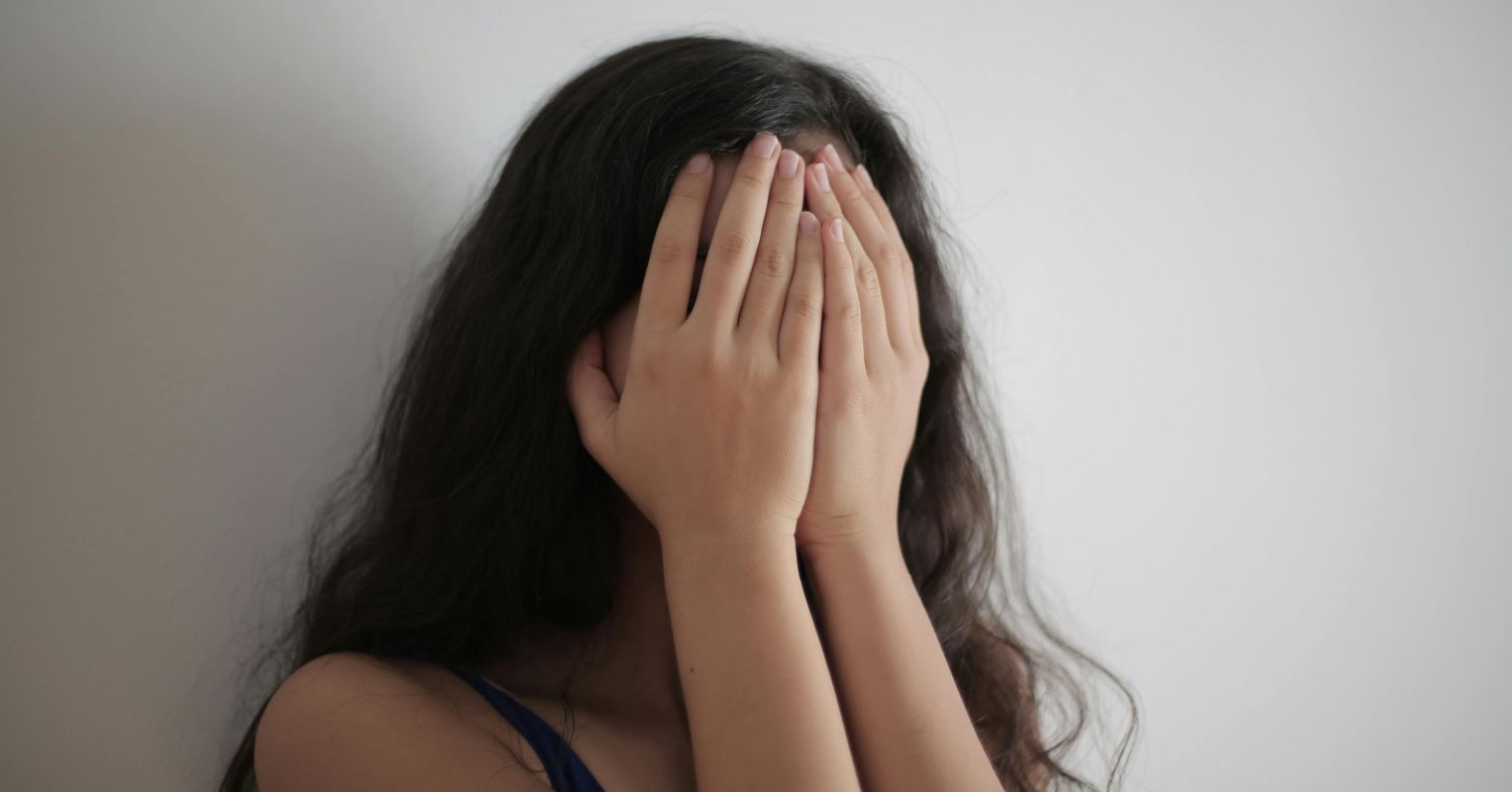
"Whether or not avoidance is a maladaptive coping mechanism is something that psychiatrists and psychologists debate. In the view of some authors, avoidance is a maladaptive behavior because it can hinder social events and learning engagement, and thus should be remedied. This view is simplistic and does not account for the lack of habituation that is shown in persons with misophonia."
"Whether or not avoidance is maladaptive or adaptive depends on numerous factors, and almost all of them are up to the individual and, by extension, their families. Social expectations are largely cultural, and whether something like family dinner is something to be adapted to and coped with or something that can be avoided will be situational. For some, the distress at mealtimes is so great that even the cultural will to eat dinner with one's family is not enough to overcome the urge to flee."
Avoidance of triggers is a frequent response among people with misophonia and can reduce immediate distress by removing the stressor. Some clinicians label avoidance maladaptive because it may limit social participation and learning, but that view overlooks the lack of habituation in misophonia. Sensory dysregulation and the fight-flight-freeze response make avoidance a natural protective behavior. Whether avoidance is adaptive depends on individual circumstances, family choices, and cultural expectations. Some set firm boundaries (e.g., avoiding restaurants or movie theatres), while others negotiate variable limits and tolerate triggers some days but not others. Partners can negotiate triggers using 'never,' 'sometimes,' and 'adapting' categories.
Read at Psychology Today
Unable to calculate read time
Collection
[
|
...
]