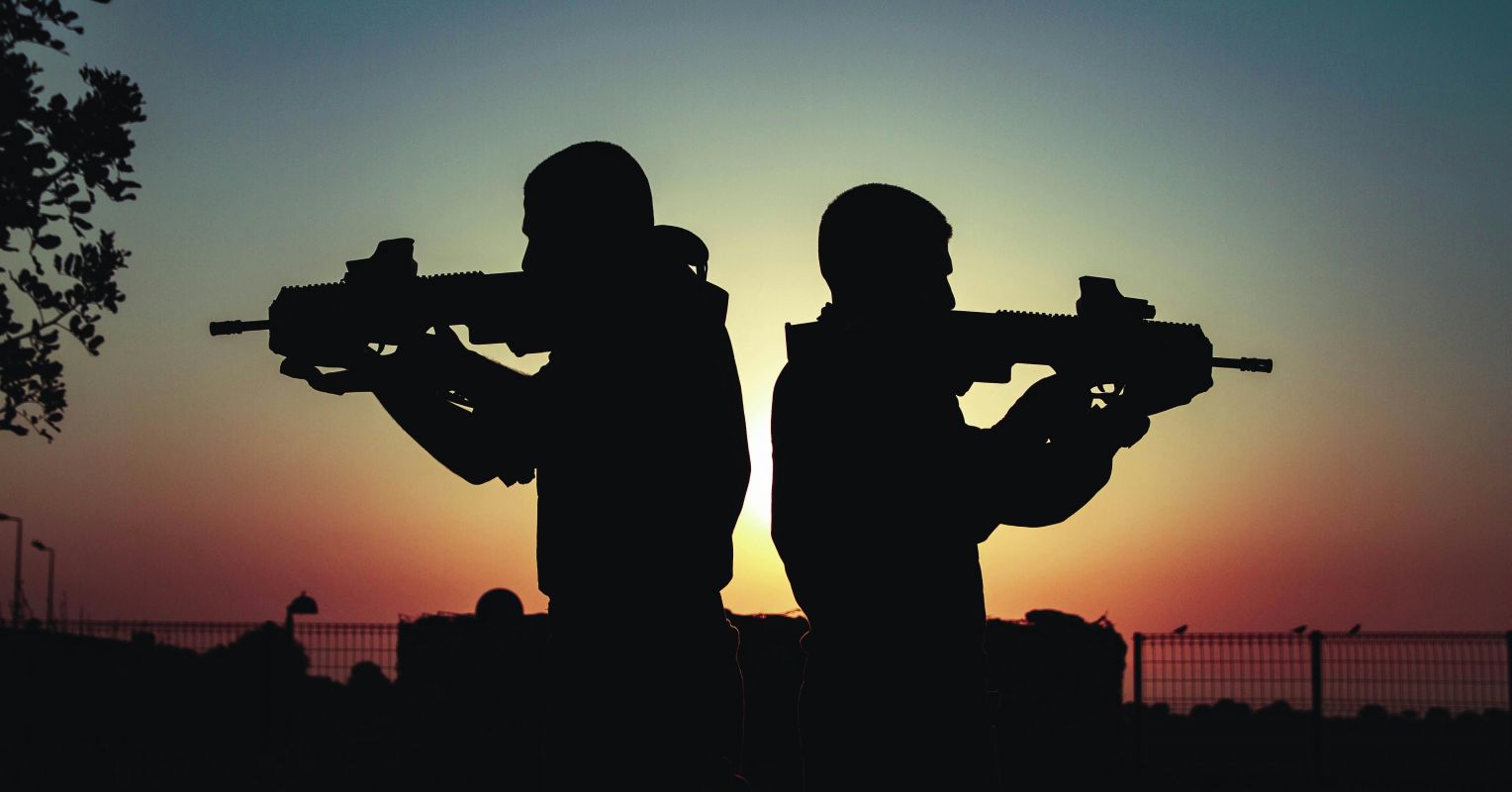
"The last few years have seen an increasing number of war-related incidents reported in the media. There has been plenty of coverage of the Ukraine war, the conflict between Israel and Palestine, and more recently the war between the U.S. and Iran. There is a lot of coverage, often violent in nature and with graphic images of destruction."
"Some war reporting is clearly directly relevant to individuals. Perhaps they were born in a war-torn country or maybe have friends or family residing in an area affected. I have several friends that have shared their distress of hearing about areas in which they were brought up being damaged by drones and missiles."
"Studies have found that older adults are vulnerable to war exposure in the media. They often experience higher stress and anxiety levels than younger individuals. People's ability to regulate their emotions can also play a role in how likely they are to experience anxiety about war reporting."
Extensive media coverage of recent wars including Ukraine, Israel-Palestine, and U.S.-Iran conflicts exposes audiences to violent imagery and graphic destruction. While some individuals have direct connections to affected regions through personal ties, stress from war reporting affects people without close connections as well. Older adults experience higher stress and anxiety from war media exposure compared to younger individuals. Emotional regulation capacity influences susceptibility to anxiety about war reporting, regardless of geographic location. Personality traits, particularly agreeableness, also affect how individuals respond to continuous media consumption about conflicts.
#war-media-consumption #mental-health-impact #stress-and-anxiety #age-differences #emotional-regulation
Read at Psychology Today
Unable to calculate read time
Collection
[
|
...
]