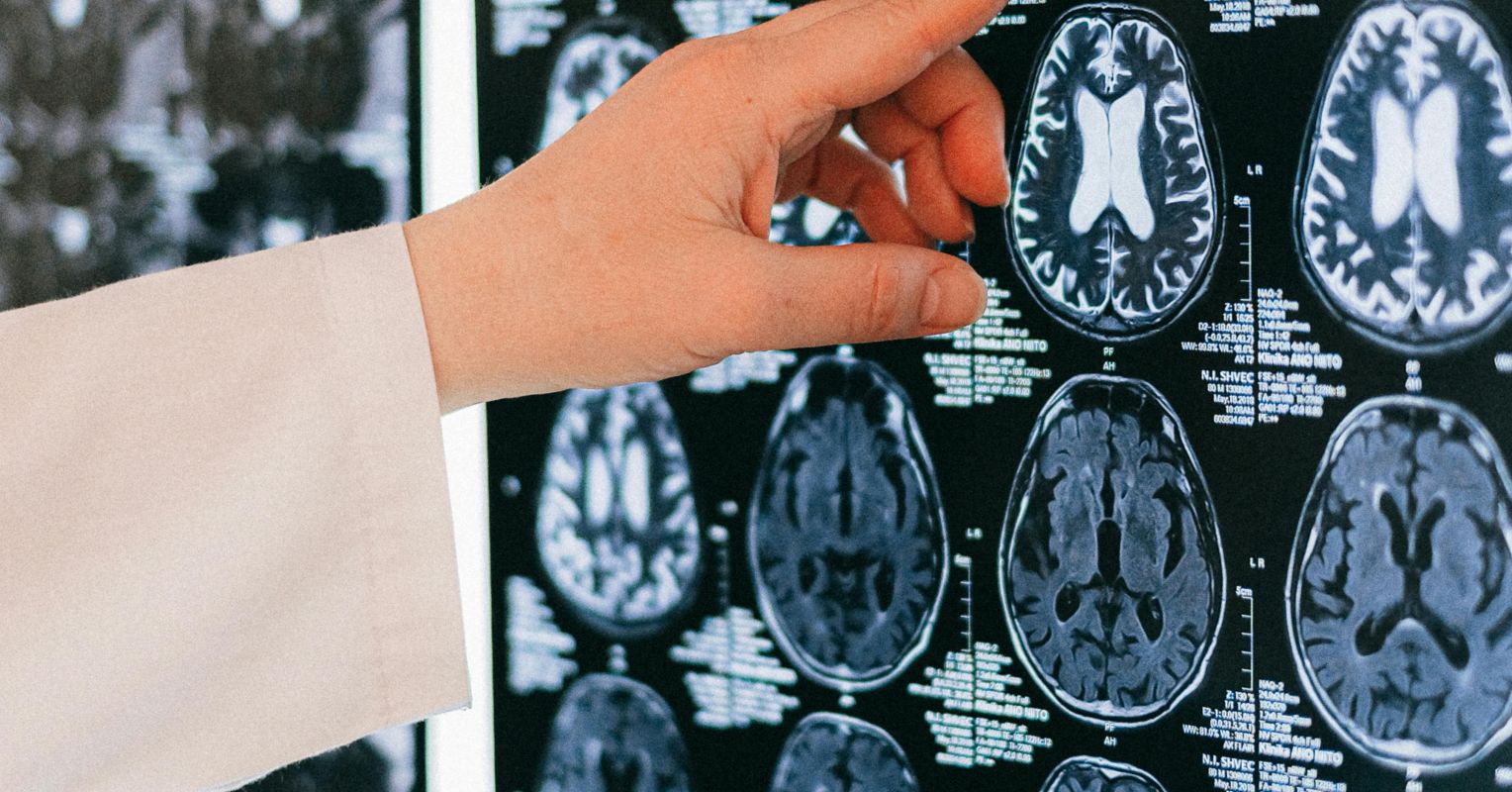
"The neuroscience of trauma is well-documented, illuminating, and validating to survivors and their loved one(s). It is deeply relieving and humanizing for anyone traumatized who has ever wondered: what's wrong with me? Or, why can't I just get over this?!"
"The most useful way to think of the amygdala is as your brain's main threat-detection system. Under ideal circumstances, it fires when there's genuine danger, helps you respond effectively, and then settles back down once the threat is addressed."
"With trauma, that system not only gets stuck on 'on', but I'd argue that the brain's lever keeping it 'on' metaphorically rusts and locks it on 'on', despite one's best intentions."
Trauma significantly impacts the brain, particularly the amygdala, prefrontal cortex, Broca's area, and hippocampus. These changes can trap survivors in past experiences, complicating healing. Understanding the neuroscience of trauma validates the experiences of sufferers and informs effective treatment strategies. The amygdala acts as a threat-detection system that becomes overstimulated in trauma, leading to persistent anxiety. This knowledge can provide relief and clarity for those affected, helping them understand their reactions and the nature of their pain.
Read at Psychology Today
Unable to calculate read time
Collection
[
|
...
]