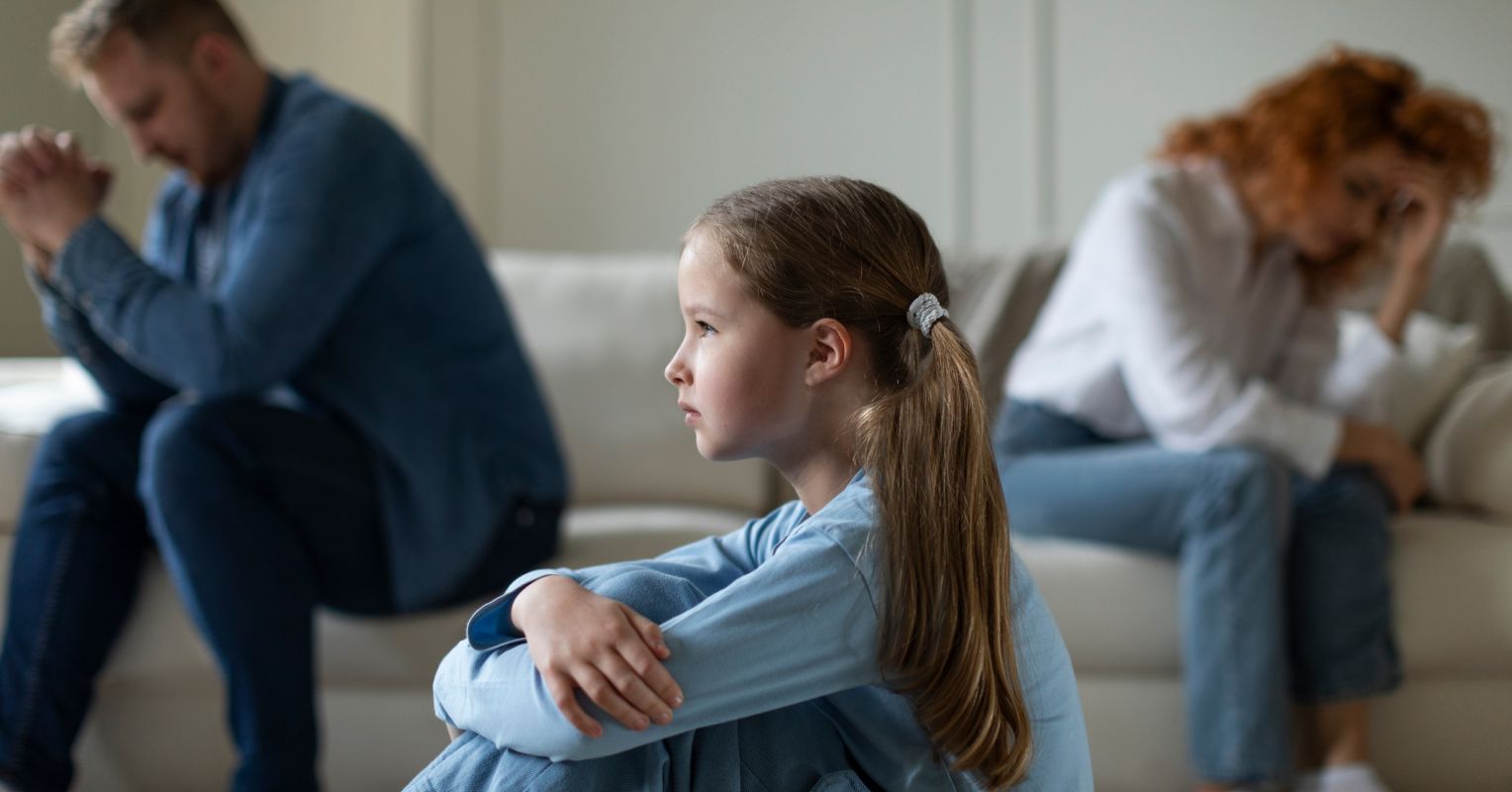
Trauma creates cycles of activation, disconnection, and repair that become automatic as nervous systems learn to survive perceived danger. Stress in trauma-impacted families spreads rapidly because nervous systems continuously scan and respond to each other for cues of safety. Emotional tension can permeate a home before conscious awareness, as humans sense cues nonverbally. When one person's stress escalates, others react: children may intensify behaviors, partners may withdraw, and the whole system can become overwhelmed. Common fueling experiences include feeling misunderstood, powerless, shamed, or small, and these feelings circulate among parents, children, partners, and caregivers. The resulting household emotional climate functions like a thermostat, influencing everyone's responses and wellbeing.
"Trauma does not live in isolated experiences. It lives in cycles, patterns of activation, disconnection, and repair that repeat not because we choose them, but because our nervous systems learned how to survive feeling unsafe. It becomes automatic. In families impacted by trauma, stress spreads quickly because nervous systems are constantly reading and responding to one another for safety. What begins as one person's overwhelm often ripples outward, shaping the emotional climate of the entire household."
"According to Daniel J. Siegel's work on interpersonal neurobiology, humans are wired to sense emotional cues before conscious thought, which explains why tension can fill a room before words are spoken. When one person's stress intensifies, others often react in response. Children may escalate, partners may shut down, and the entire system can feel overwhelmed at once. This is not willful behavior. These are nervous systems responding to perceived threat, whether real or remembered."
Read at Psychology Today
Unable to calculate read time
Collection
[
|
...
]