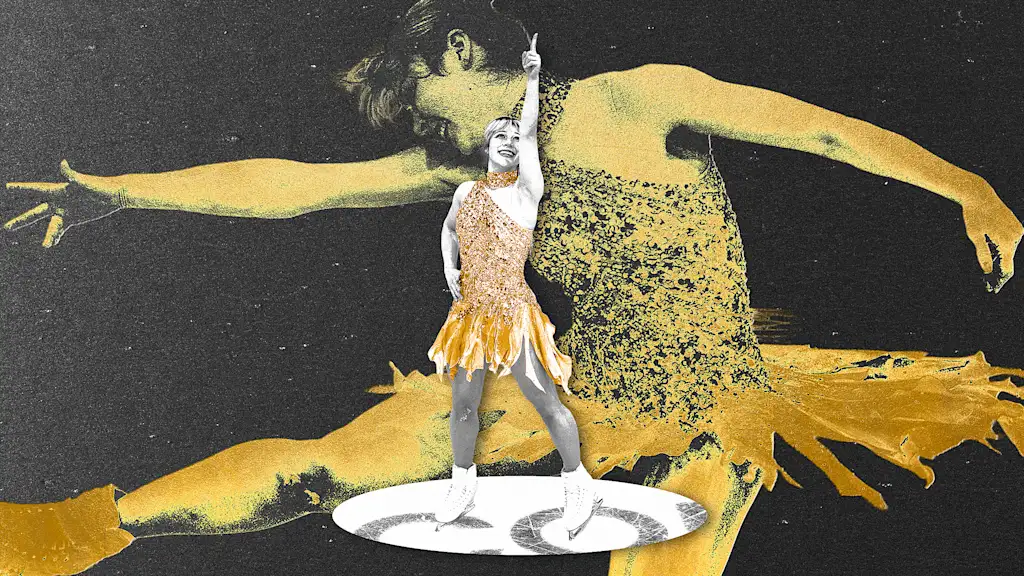
"When Liu stepped away from competitive figure skating at the height of her career, it wasn't because she lacked grit. It was because pushing harder was costing her joy. That choice runs against everything we tend to praise in high performers: Push through. Power through. Never quit."
"Liu described a life reduced to repetition: living alone at the Olympic Training Center, shuttling between the dorm and the rink, being told when to train, what to eat—only to wake up and repeat it all over again the next day. There was little space for exploration or identity beyond the sport."
"Biles demonstrated something far more nuanced: situational awareness under extreme pressure. She recognized that her mind and body were not aligned, and she refused to risk her safety by pushing through a system that demanded performance at any cost."
Alysa Liu's return to competitive figure skating after stepping away demonstrates a leadership lesson about prioritizing joy over relentless performance. Liu previously left elite competition because the system had reduced her life to mechanical repetition—living at the Olympic Training Center with no autonomy over training, diet, music, or costumes. She felt like a puppet controlled by others, losing her sense of self and identity beyond performance metrics. This pattern reflects a broader shift among elite athletes, including Simone Biles, who withdrew from Tokyo Olympics events to protect mental health. These athletes model situational awareness and boundary-setting under extreme pressure, challenging cultural narratives that equate leadership with pushing through at all costs. Their choices demonstrate that sustainable high performance requires protecting joy and maintaining personal agency.
#leadership-and-mental-health #elite-athletic-performance #burnout-prevention #work-life-balance #organizational-culture
Read at Fast Company
Unable to calculate read time
Collection
[
|
...
]