"If access to resources and providers were the problem, the rates of anxiety would be dropping. But the problem isn't a lack of care: it's a flawed framework. Over the past several decades, people have been trained to see themselves as patients, waiting for relief to arrive from the outside. And while this mindset may reduce shame, it also unintentionally reduces agency. People see anxiety as something that happens to them, rather than something their brains have learned to do."
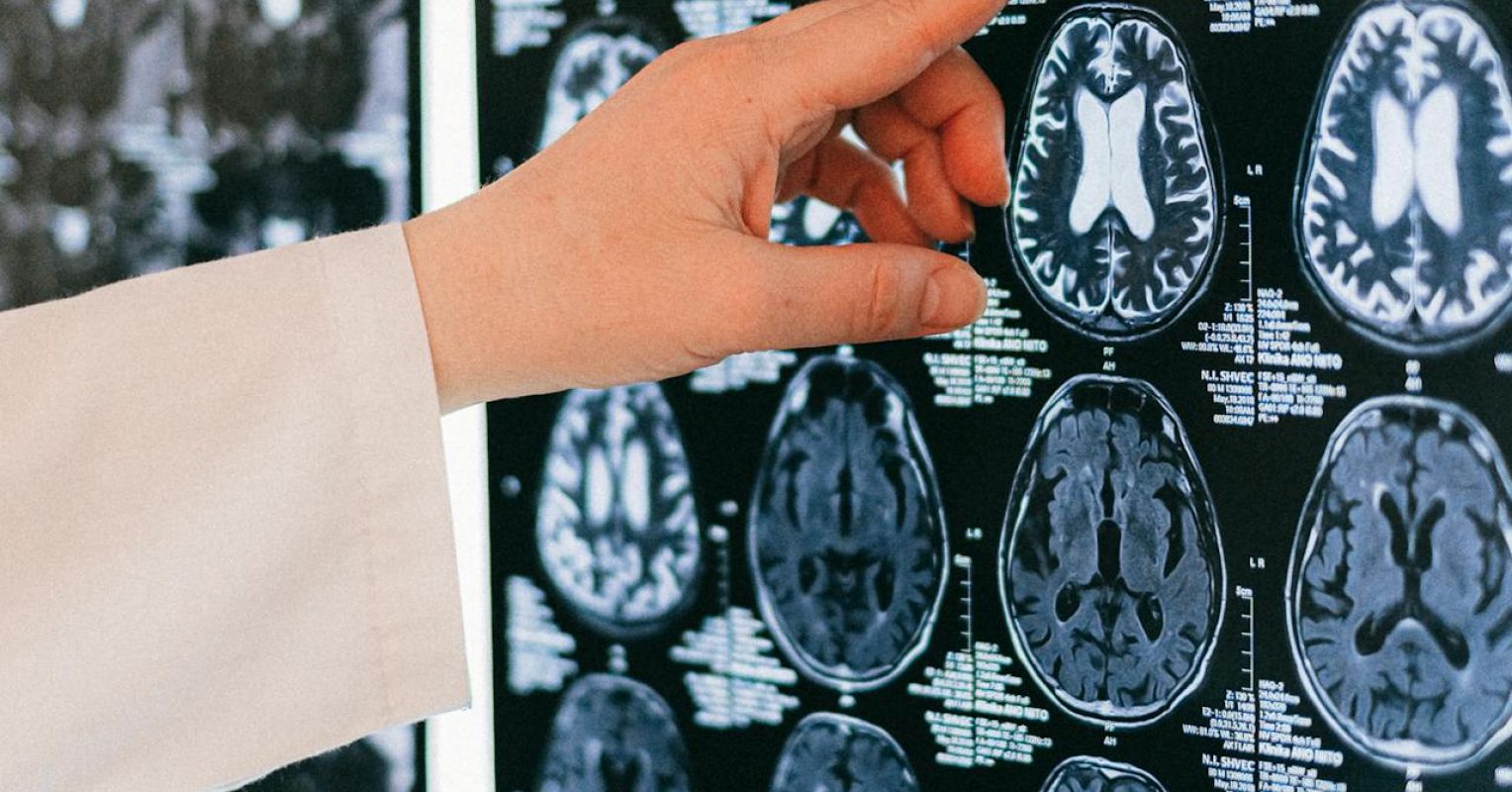
"Neuroscience tells us that the brain is not a static organ simply reacting to life. It is a dynamic system that changes based on what we repeatedly think, attend to, and practice. This process, neuroplasticity, is not controversial. It is established science, validated by hundreds of 21st-century functional imaging studies. 2 And although we rarely teach anxious people how to use neuroplasticity to their advantage, science reveals a sobering truth: either we learn to operate our nervous system, or it will operate us."
Anxiety rates continue rising in the United States despite greater access to therapists, medications, apps, and awareness campaigns. The issue stems from a flawed framework that trains people to view themselves as passive patients awaiting external relief, which reduces agency and reinforces the idea that anxiety happens to them instead of being a learned brain response. Neuroplasticity shows the brain changes according to repeated thoughts, attention, and practice, physically rewiring fear-based circuits. Shifting from passive patient to active participant harnesses neuroplasticity to retrain anxious neural pathways and regain control over the nervous system.
Read at Psychology Today
Unable to calculate read time
Collection
[
|
...
]