Prediabetes can enter remission with blood sugar returning to normal even when body weight does not change. Harmful fat stored deep in the abdomen can drive inflammation and interfere with insulin, while fat stored under the skin may be less harmful and can support healthier metabolism. A lifestyle intervention can help some people normalize blood sugar without losing weight, and this weight-stable remission can protect against future diabetes as effectively as remission achieved through weight loss. This finding challenges long-standing guidance that weight loss is the primary method for preventing diabetes and suggests new treatment approaches focused on metabolic improvement and fat redistribution.
"For decades, people diagnosed with prediabetes - a condition affecting up to one in three adults depending on age - have been told the same thing by their doctors: eat healthily and lose weight to avoid developing diabetes. This approach hasn't been working for all. Despite unchanged medical recommendations for more than 20 years, diabetes prevalence continues rising globally. Most people with prediabetes find weight-loss goals hard to reach, leaving them discouraged and still at high risk of diabetes."
"Our latest research, published in Nature Medicine, reveals a different approach entirely. We found that prediabetes can go into remission - with blood sugar returning to normal - even without weight loss. About one in four people in lifestyle intervention programs bring their blood sugar back to normal without losing any weight. Remarkably, this weight-stable remission protects against future diabetes just as effectively as remission achieved through weight loss."
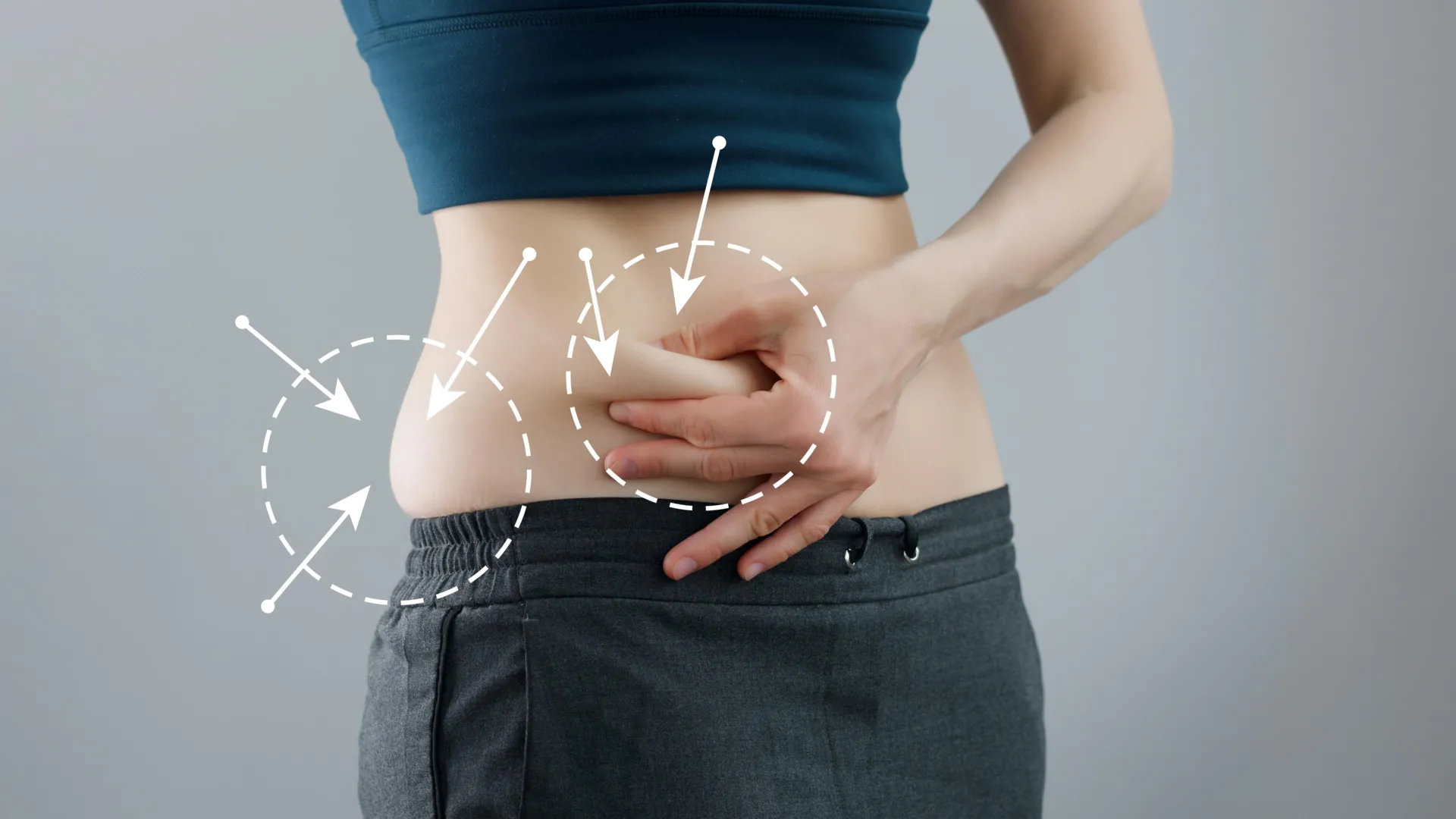
"The key isn't just how much fat you carry-it's where it's stored. Harmful fat deep in the abdomen fuels inflammation and disrupts insulin, while fat under the skin can actually support healthier metabolism. Prediabetes can be reversed without weight loss by redistributing fat and improving how the body handles insulin."
"This represents a significant shift in how doctors might treat overweight or obese patients at high risk for diabetes. But how is it possible to red"
Read at ScienceDaily
Unable to calculate read time
Collection
[
|
...
]