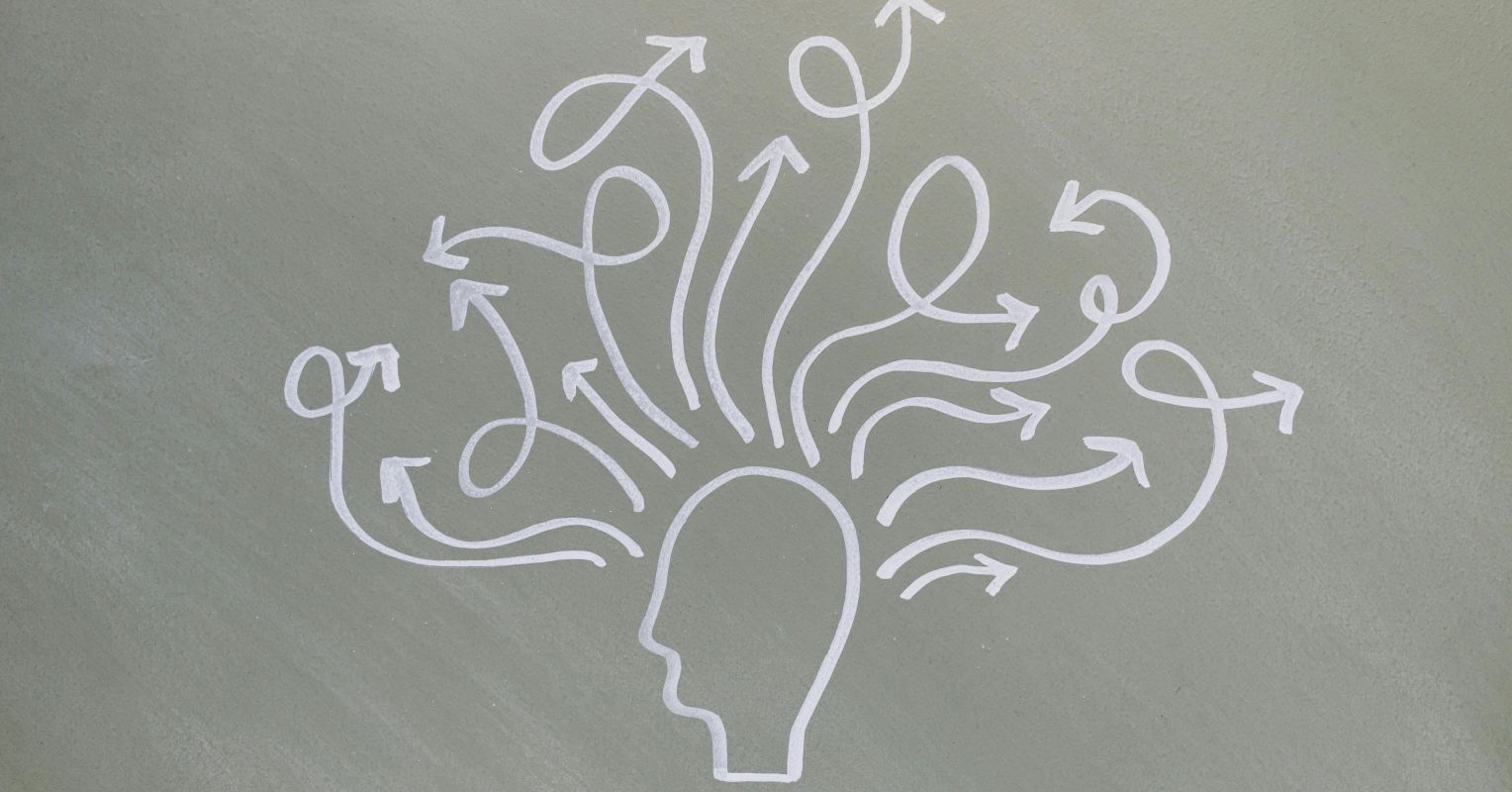
Psychedelic medicine has gained mainstream attention, with compounds such as psilocybin, MDMA, ketamine, and related substances showing therapeutic potential for depression, PTSD, anxiety, and addiction. Research increasingly focuses on neuroplasticity, the brain’s ability to reorganize, form new neural connections, and adapt to experience. Psychedelic compounds may temporarily increase adaptive capacity, allowing rigid behavioral and cognitive patterns to become more flexible. This focus has led to neuroplastogens, substances designed to promote neuroplasticity and synaptic adaptation to support behavioral and emotional change. Some neuroplastogens are being developed to preserve therapeutic effects while minimizing hallucinogenic experiences. Non-hallucinogenic approaches may also address practical limits of psychedelic-assisted therapy, including intensive monitored sessions, specialized support, and scalability challenges in resource-constrained public health systems.
"Over the past decade, psychedelic medicine has moved from the margins of psychiatric research into mainstream scientific and public discussion. Much of this attention has centered on compounds such as psilocybin, MDMA, ketamine, and related substances that have demonstrated therapeutic potential across conditions including depression, PTSD, anxiety, and addiction."
"Neuroplasticity refers to the brain's ability to reorganize, form new neural connections, and adapt in response to experience. In a previous article, I explored how psychedelic compounds may temporarily increase this adaptive capacity, potentially allowing entrenched behavioral and cognitive patterns to become more flexible."
"Broadly defined, neuroplastogens are substances designed to promote neuroplasticity and synaptic adaptation, potentially creating conditions that support behavioral and emotional change. Importantly, some neuroplastogens are being developed specifically to preserve therapeutic effects while minimizing or avoiding hallucinogenic experiences."
"Although psychedelic-assisted therapy has generated promising clinical data, the treatment model itself presents several practical challenges. Many current protocols require prolonged monitored sessions, specialized therapeutic support, extensive preparation and integration, and highly controlled clinical environments. These infrastructure demands may limit scalability, particularly within public health systems already facing resource constraints."
#psychedelic-medicine #neuroplasticity #neuroplastogens #mental-health-therapeutics #psychedelic-assisted-therapy
Read at Psychology Today
Unable to calculate read time
Collection
[
|
...
]