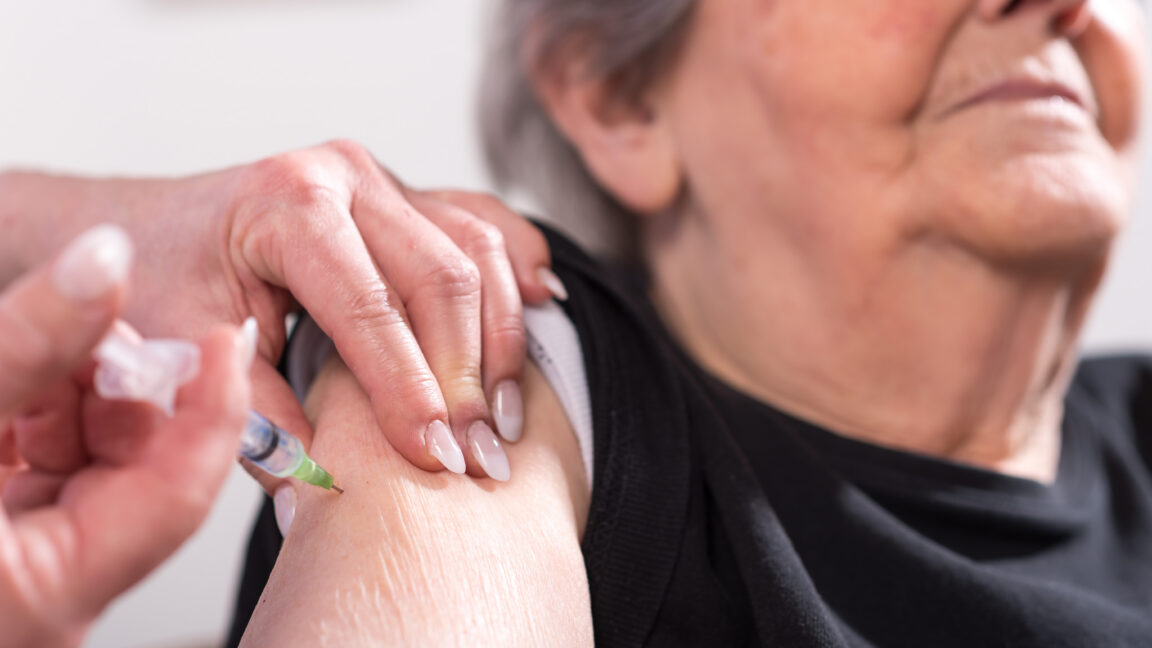
Routine vaccines against infections including seasonal flu, RSV, tetanus, diphtheria, pertussis, pneumococcal disease, hepatitis A and B, and typhoid are linked to lower dementia risk. Vaccination against shingles shows particularly strong connections, with additional supporting data emerging. Scientists are investigating how vaccines targeting specific pathogens could also protect the brain from cognitive deterioration. A hypothesis proposes that vaccines may train innate immune components that were previously considered untrainable. Vaccines prime adaptive immunity through T cells and antibody-producing B cells, enabling recognition and faster destruction of later threats. Innate immunity provides early, non-specific defenses before adaptive responses, and the proposed training of innate immunity could explain broader protective effects.
"More and more routine vaccines are being linked to lower risks of dementia. Shots against seasonal flu, RSV, tetanus, diphtheria, and pertussis (Tdap), pneumococcal infections, hepatitis A and B, and typhoid have all been linked to lower risks. And one of the strongest connections is from vaccination against shingles, with more data supporting the link still coming in."
"But as the evidence mounts, scientists continue to puzzle over the pleasant surprise-how are vaccines that target specific pathogens inadvertently shielding our minds from deterioration? A burgeoning hypothesis offers a brow-raising possibility: The shots may be protecting our noggins by training the part of our immune system that had long been considered untrainable. If the idea holds up, it could generate a deeper understanding of fundamental aspects of our immune systems while opening new avenues to treating or preventing dementia."
"So if such a pathogen stages an attack after immunization, those immune cells will be able to recognize the invaders quickly and destroy them. This process, as intended, engages adaptive immune responses, the part of the immune system known to be trainable. It can learn to target specific threats-and remember those threats, aka immunologic memory."
"Then there's the other part of the immune system, the innate immune responses. These precede adaptive responses, acting as first-line, non-specific defenses against germs and injury. Innate"
Read at Ars Technica
Unable to calculate read time
Collection
[
|
...
]