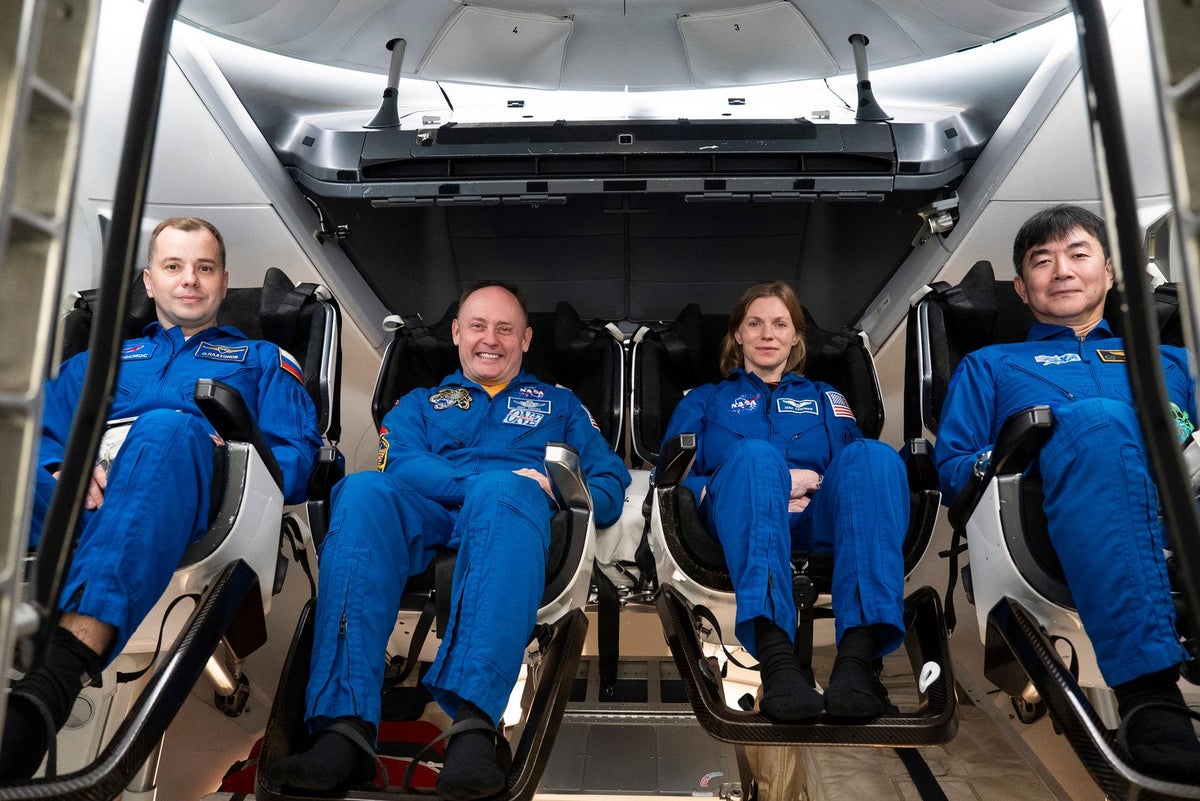
NASA ended a mission prematurely due to a sick astronaut, ordering a medical evacuation—the first such order for the International Space Station. Former astronaut Andrew Feustel noted that statistically such evacuations probably should have occurred before, reflecting rigorous medical screening for government career astronauts. The ISS carries diagnostic and treatment equipment including ultrasound, IVs, a defibrillator, oxygen delivery capability, wound-care supplies, and an onboard pharmacy with anesthetics, antisickness medications, hydration solutions, and antibiotics. Crew preparedness and station medical readiness mitigate many risks. Physical constraints limit onboard equipment, and advanced imaging such as magnetic resonance imaging (MRI) is not available.
"NASA's unprecedented decision to prematurely end a mission to the International Space Station (ISS) because of a sick astronaut is shining a light on how the agency prepares for medical problems and emergencies in space. The decision, announced by NASA's new administrator Jared Isaacman during a press briefing on Thursday, marks the first time any space agency has ordered a medical evacuation of an ISS mission."
"Statistically, it probably should have happened many times by now over the last 25 years that we've had people on the International Space Station, says former NASA astronaut Andrew Feustel, who was commander of an ISS mission while he was at the agency and is now lead astronaut at the private space company Vast. But it hasn't, and part of that speaks to the level of medical screening that's done, at least currently, on government professional career astronauts before they fly in space."
Read at www.scientificamerican.com
Unable to calculate read time
Collection
[
|
...
]