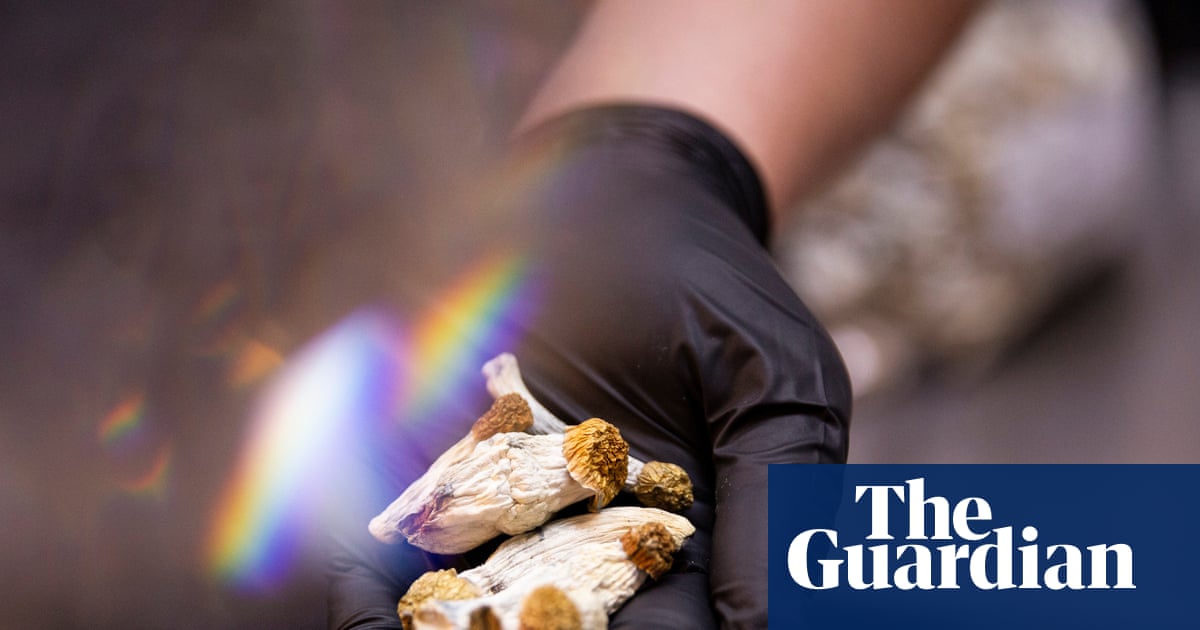
A clinical trial found that one dose of psilocybin combined with therapist support increased the likelihood of abstaining from cocaine compared with a placebo. Nineteen participants receiving psilocybin were more likely to abstain than seventeen participants receiving diphenhydramine placebo. No FDA-approved medications exist for cocaine use disorder or other stimulant addictions such as methamphetamine. Stimulant overdoses are increasing, and global cocaine deaths are rising as cocaine production reaches record levels. Cocaine use strongly predicts criminal justice involvement and recidivism, especially among low-income Black men. Experts suggest psilocybin may work by increasing neuroplasticity and psychological flexibility, helping reduce rigid, impulsive addictive behaviors.
"Results from a new clinical trial show that a single dose of psilocybin could be an effective treatment for cocaine addiction. The study, published in Jama Network Open this month, showed that 19 participants who received a single dose of psilocybin were more likely to abstain from cocaine than 17 participants who received a placebo of diphenhydramine, a common antihistamine. Participants in both groups worked with a therapist to process their experiences."
"Dr Peter Hendricks, a behavioral health professor at the University of Alabama at Birmingham and lead author of the study, said finding a treatment for cocaine use disorder is especially urgent for a number of reasons. As of now, there are no FDA-approved medications for addiction to cocaine or other stimulants, like methamphetamine. Overdoses involving stimulants are killing more and more Americans. According to the latest UN global drug report, cocaine deaths are rising globally as cocaine production reaches an all-time high."
"Over a decade ago, Hendricks was looking for ways that psilocybin could help keep people out of jail. A large, local Birmingham dataset showed that cocaine use was the single strongest predictor of criminal justice involvement and recidivism, Hendricks said. This is particularly true for low-income Black men, who made up the majority of participants in the study. While white people are more likely to report lifetime cocaine use than Black people, Black people are more likely to be arrested for cocaine-related crimes."
"The mechanism that probably makes psilocybin work for cocaine might also work for many classes of addictive substances, some experts say. Robin Carhart-Harris, a neuroscience researcher who has studied how psychedelics work in the brain, believes psychedelics increase neuroplasticity and psychological plasticity or the ability to change thinking and behavior. He says addictions inherently involve a resistance to change rigid, impulsive behaviors."
Read at www.theguardian.com
Unable to calculate read time
Collection
[
|
...
]