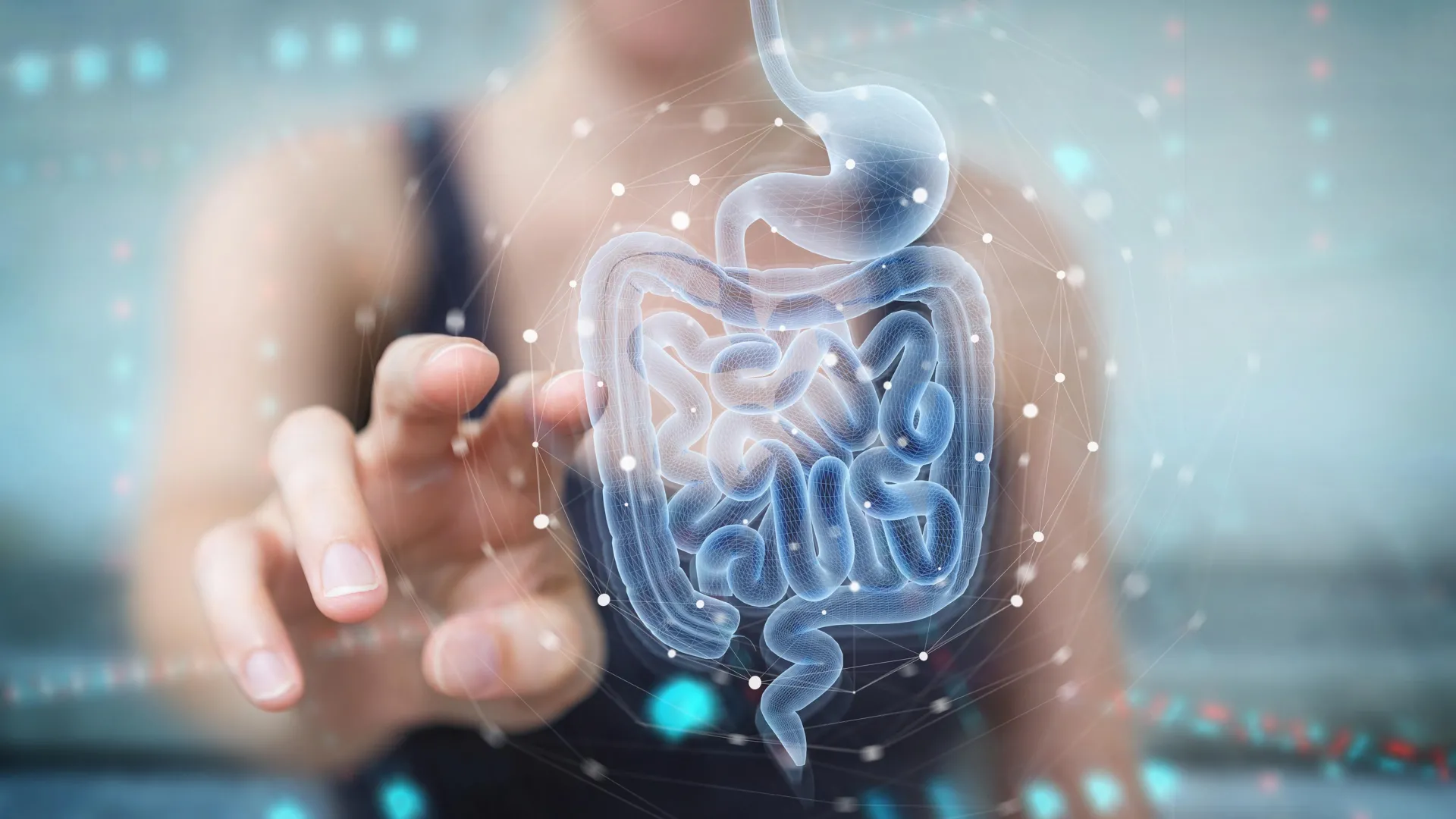
A set of metabolites produced in the gut moves through the hepatic portal vein to the liver and then reaches the heart, which distributes them throughout the body. These circulating gut-derived compounds alter hepatic metabolic pathways and influence systemic insulin sensitivity. Measurement of blood from the portal vein and peripheral circulation allowed detection of location-specific enrichment of microbiome-derived metabolites and assessment of their hepatic transformations and systemic release. Conjugation, transformation, or elimination can occur in the liver before metabolites enter systemic circulation. The metabolic effects point to potential new therapeutic strategies for obesity and type 2 diabetes.
"A research project supported by FAPESP and carried out at Harvard University in the United States has identified a set of metabolites that move from the intestine to the liver and then on to the heart, which distributes them throughout the body. These circulating compounds appear to influence how metabolic pathways function within the liver and how sensitive the body is to insulin. The findings point to potential new strategies for treating obesity and type 2 diabetes."
""The hepatic portal vein drains much of the blood from the intestine to the liver. Therefore, it's the first place to receive products from the gut microbiome. In the liver, they can be conjugated, transformed, or eliminated, and then enter the systemic circulation," explains Vitor Rosetto Muñoz, first author of the study and postdoctoral researcher at the Ribeirão Preto School of Physical Education and Sports at the University of São Paulo (EEFERP-USP) in Brazil."
Read at ScienceDaily
Unable to calculate read time
Collection
[
|
...
]