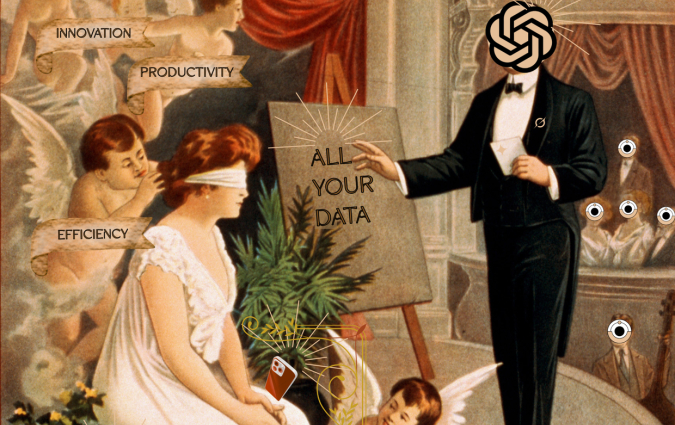
Publishers face growing pressure from generative AI tools that may have been trained on their content and that can reduce website traffic by answering user questions directly. Many people use AI to find information rather than to create content, and AI queries can replace search behavior that previously led users to news sites. Additional concerns include AI-generated summaries that present information drawn from publisher websites without requiring click-through. Licensing deals with major publishers have increased, but lawsuits are also rising as news organizations accuse platforms of unauthorized use of copyrighted material. A third approach is emerging: publishers band together to negotiate with AI companies through global standards efforts and national bargaining organizations.
"As generative AI tools grow in popularity, many publishers suspect they were trained on their content. They are also concerned about losing traffic (and advertising revenue) if people get the information they need from a chatbot without needing to click through to the article the chatbot's response was based on. According to our 2025 research on generative AI, based on survey data collected in six countries, more people use AI to find information than to create content. Only a small minority ask chatbots about the news."
"But many queries, from travel tips to context on world events, are starting to replace a Google search that might lead to a click on a news publisher's website. Chatbots aren't the only threat to news publishers. Many are even more concerned about AI-generated summaries, such as Google's AI Overviews, which allow users to view information drawn from websites without having to click through. In the year after Google launched Overviews in May 2024,"
"Licensing announcements accumulate, with individual deals often cut by large publishers, like the US's Associated Press, Germany's Axel Springer, Spain's Prisa Media and France's . But lawsuits are also growing, although at a slower pace, with news companies accusing platforms of unauthorised use of copyrighted material. Yet a third way has recently emerged: publishers are banding together to negotiate with AI companies rather than facing them alone. This is reflected in initiatives ranging from global standards-setting coalitions to national bargaining organisations."
#generative-ai #news-media-licensing #copyright-and-lawsuits #traffic-and-advertising #collective-bargaining
Read at Reuters Institute for the Study of Journalism
Unable to calculate read time
Collection
[
|
...
]