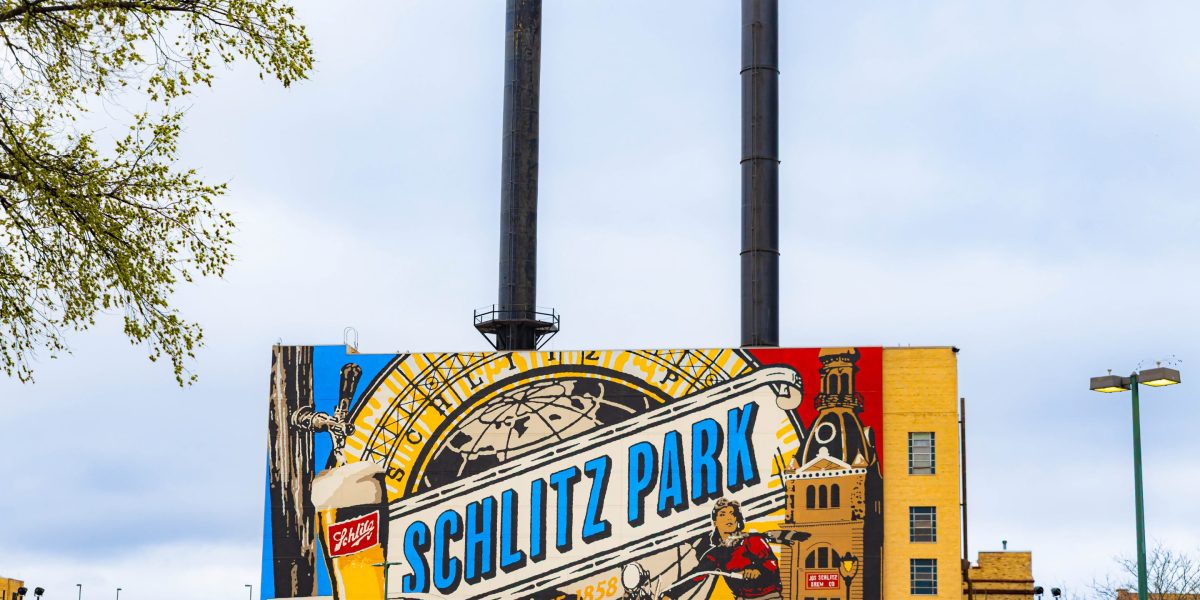
Schlitz Beer rose to the top of the American beer market by making its brewing process visible and understandable to consumers. The company’s advertising emphasized artesian well water, detailed filtration, and meticulously sterilized bottles, creating trust through radical transparency. The brewing methods were not uniquely novel, but the communication of the process was. Claude Hopkins applied rigorous testing and measurable results, later influencing advertising through Scientific Advertising. In 2026, AI adoption faces a similar challenge: transformation depends on whether people trust and participate, since AI changes are people changes. People are more likely to use new tools when they understand at least some of how they work, such as knowing which factors drove an AI risk assessment or an AI-generated recommendation.
"Schlitz became America's top beer by showing consumers how it made its product. In the early 20th century, the company rose from also-ran to number one among American beer-makers with a brilliantly simple advertising strategy. It started telling customers about its brewing process in vivid detail: water from artesian wells, elaborate pulp filters, and meticulously sterilized bottles. The strategy worked spectacularly."
"The brewing process itself was not especially novel. Every serious brewer did something similar. What Schlitz had that its competitors lacked was not a radically better product, but instead radical transparency. People trusted what they could see and understand, and as a result, the campaign took Schlitz to the top of the American beer market."
"Now, in 2026, the same principle will either make or break companies seeking to transform themselves with AI. Our research on the behavioral science of change shows that successful transformation depends on whether people trust and participate in the change. After all, all AI changes are people changes."
"At companies we've advised through change, we've seen that people are more inclined to start using new tools when they understand at least something about how they work. For example, a financial analyst provided with an AI-generated risk assessment will be more inclined to use it if they understand which factors drove it. The same is true of a customer service agent deciding whether to follow an AI-generate"
#ai-adoption #behavioral-science-of-change #trust-and-transparency #advertising-strategy #human-centered-transformation
Read at Fortune
Unable to calculate read time
Collection
[
|
...
]