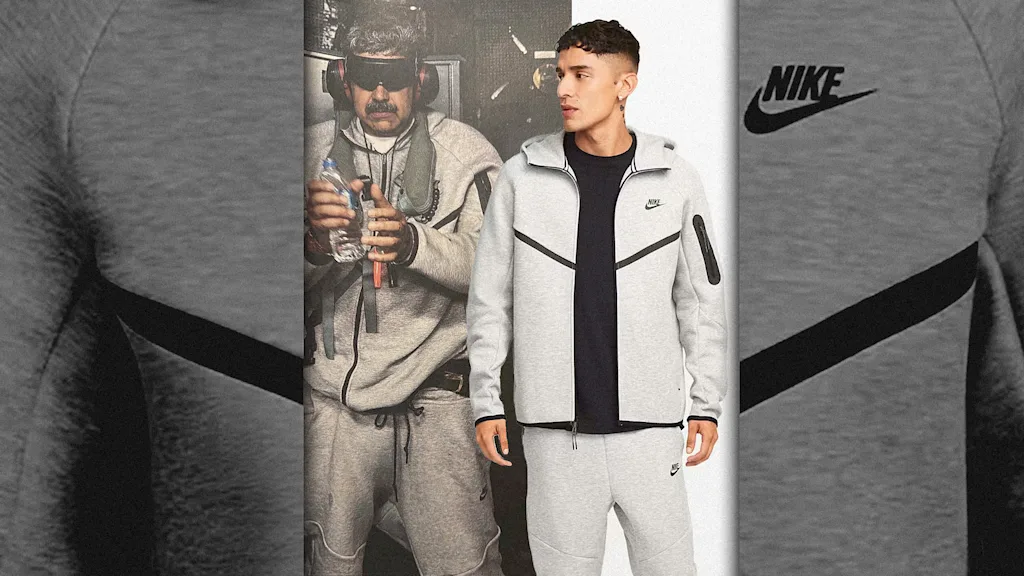
"Brands love to insert themselves into cultural conversations or piggyback on buzzy current events, a strategy sometimes called newsjacking. But it can happen without seeking, or even wanting, the attention. The borderline absurd virality of a Nike tracksuit evidently worn by Venezuelan President Nicolás Maduro as he was taken into the custody of American captors is the most high-profile recent example-but it definitely won't be the last."
"This form of what we could call involuntary product placement can be a conundrum for brands, which prefer to be associated with upbeat or positive events, not dictators or controversial geopolitics. And that's been made even more challenging by a starkly divided political climate that has put brands from Bud Light to Tesla to Hilton in the crossfire, and a hypercharged social media environment that constantly hungers for new angles, riffs, and takes on whatever is hogging the spotlight."
"Of course, involuntary product placement isn't new: If you remember the car chase climaxing in O.J. Simpson's arrest, you know he was driving a Ford Bronco. Yet unsolicited pop-culture brand cameos aren't always bad. Ocean Spray, for instance, enjoyed a boost after it accidentally had a starring role in a feel-good viral clip of a skateboarder sipping the drink as Fleetwood Mac's "Dreams" played. And in a marketing-soaked world, plenty of accidental brand appearances scarcely register."
Involuntary product placement occurs when brands appear in high-profile news events without consent, creating association risks. Such appearances can attach brands to controversial figures or geopolitics, complicating reputation management. A polarized political climate intensifies scrutiny, placing brands from diverse industries into public crossfire. Social media amplifies these moments by generating memes, riffs, and even AI fakery that repurpose brand imagery. Accidental appearances can sometimes boost brands, as with feel-good viral clips, while many accidental cameos go unnoticed. The ubiquity of brands makes them convenient cultural signifiers during major news spectacles, shaping public perception quickly.
Read at Fast Company
Unable to calculate read time
Collection
[
|
...
]