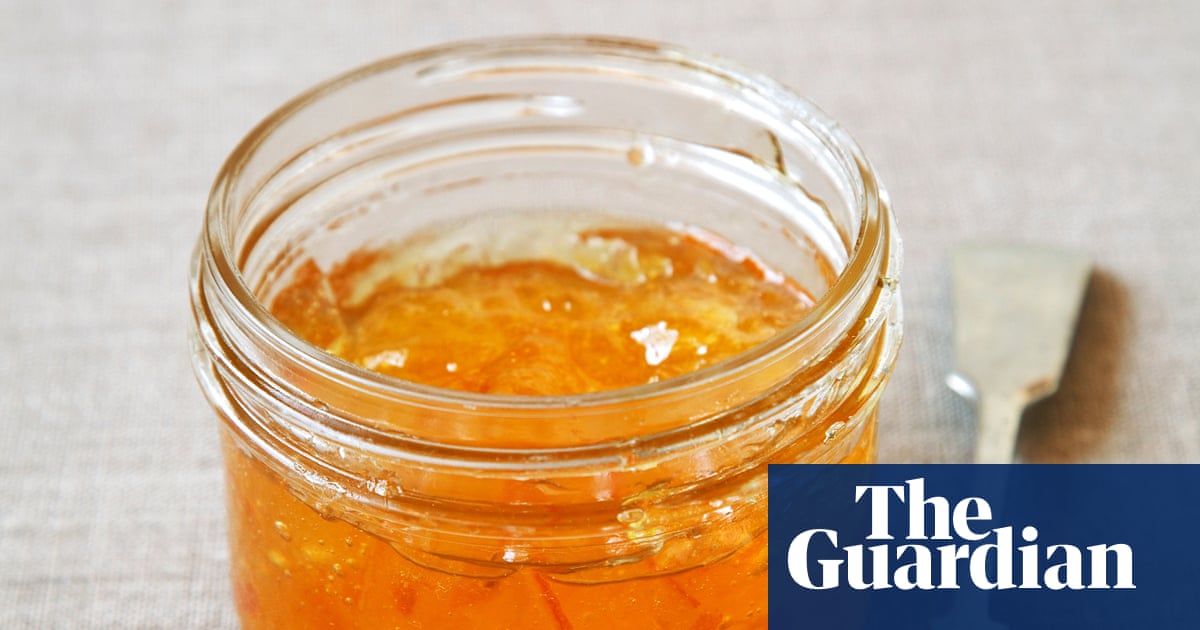
"Marmalade comes from the fruit marmelo (quince). This jam began to be exported to England at the end of the 15th century. Only in the 17th century did the English start to apply the word marmalade to orange jam."
"As it comes from Citrus x aurantium, and not Citrus x sinensis, it should be known as bitter orange marmalade. Perhaps the EU and the UK can save the bitter talk for other more important differences."
"The best that could be said about Brexit was that it represented jam tomorrow, and even that wasn't true—except, it turns out, in the most literal, disadvantageous sense."
Marmalade derives from the Portuguese word 'marmelo,' meaning quince. Initially, it referred to quince jam exported to England in the late 15th century. By the 17th century, the term began to apply to orange jam. The English adopted and adapted this product, similar to other British traditions. Some argue that the term 'bitter orange marmalade' is more accurate, as it comes from Citrus x aurantium. Brexit discussions have humorously linked to the concept of 'jam tomorrow,' highlighting the complexities of the situation.
Read at www.theguardian.com
Unable to calculate read time
Collection
[
|
...
]