"I stayed with a young family I lived on the third floor in their Victorian house. They had a baby boy who turned one when I was there. I have pictures of the birthday. I was really embedded, as they'd say today, with this family. We had dinner together. I remember we made marmalade, using the pips to get the pectin."
"What struck me about Nottingham was all the razing of the buildings. Local kids made these demolition sites their playgrounds. There was no supervision, they were climbing through windows and going into the empty buildings and exploring. They were lucky not to have fallen through a broken window or something."
"It wasn't that different from Baltimore. Both are working-class towns. Baltimore had the steel industry, Nottingham had bicycles and lace and other factories. But the industries that had made these cities were waning. It hadn't really hit us too hard yet in Baltimore—Bethlehem Steel closed years later—but there was a downturn."
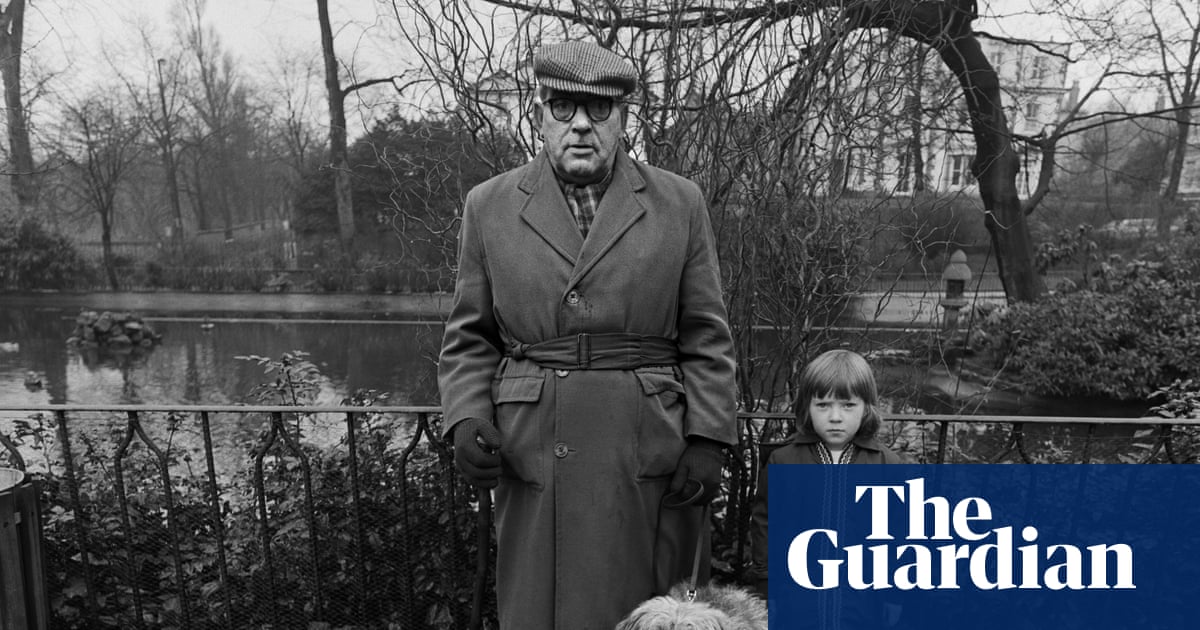
Fifty years ago, a 20-year-old art student from Baltimore participated in an exchange program at Nottingham Trent University, spending a spring semester focused entirely on independent photography. Living with a local family in a Victorian house, the photographer became deeply embedded in their daily life while exploring the city. Nottingham was undergoing significant change, with Victorian buildings being demolished to make way for modern council housing, a transformation mirroring Baltimore's own industrial decline. The Arboretum became a magical refuge for the photographer, where they regularly encountered Joe, a man with his dog Becky. This photograph, possibly from their first meeting, captures a compelling moment that would remain memorable decades later.
#photography-and-memory #urban-transformation #industrial-decline #cultural-exchange #documentary-photography
Read at www.theguardian.com
Unable to calculate read time
Collection
[
|
...
]