"Justice Taney's dissent in Dred Scott v. Sanford lives in infamy as an example of how racial schematization can impact legal decision making and access to Constitutional protections, as did Harlan's dissent in Plessy v. Ferguson. Dissents make it easier to note when legal outcomes are explained by party lines or even, which is far more interesting in a case like Learning Resources, Inc. v. Trump, confuddled by them."
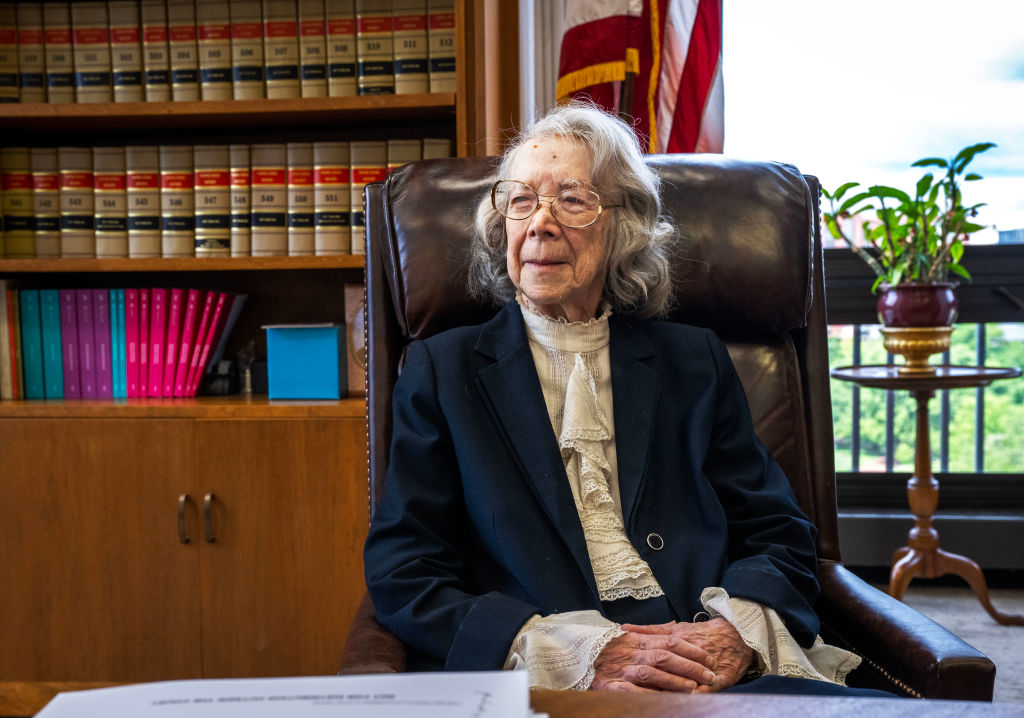
"Pauline Newman has been a force of nature in the recent dissent landscape. She's been on the dissenting side of her panels hundreds of times and, almost as imported, vindicated by time. As she fought her panel's accusations that she was no longer mentally fit to do her job (she dissented from that judgment too), the Supreme Court affirmed one of her dissenting opinions."
"Newman's voice of disagreement defined the Federal Circuit's internal dialogue on patent law. An empirical analysis of almost 5,000 pr[oceedings demonstrates] that since the United States Court of Appeals for the Federal Circuit decided to circumvent the constitutionally required process of impeaching Judge Newman, the number of dissents on the Federal Circuit has dropped off."
Dissenting opinions serve important functions beyond majority holdings by demonstrating judicial diversity and preventing the appearance of unified legal reasoning. Historical dissents like those by Justices Taney and Harlan exposed how bias influences legal outcomes. Judge Pauline Newman exemplifies the value of dissents through her hundreds of dissenting opinions on the Federal Circuit, many later vindicated by higher courts. When the Federal Circuit removed Newman through questionable means rather than constitutional impeachment, the number of dissents on that court subsequently declined, suggesting her dissenting voice was crucial to the court's internal dialogue on patent law.
Read at Above the Law
Unable to calculate read time
Collection
[
|
...
]