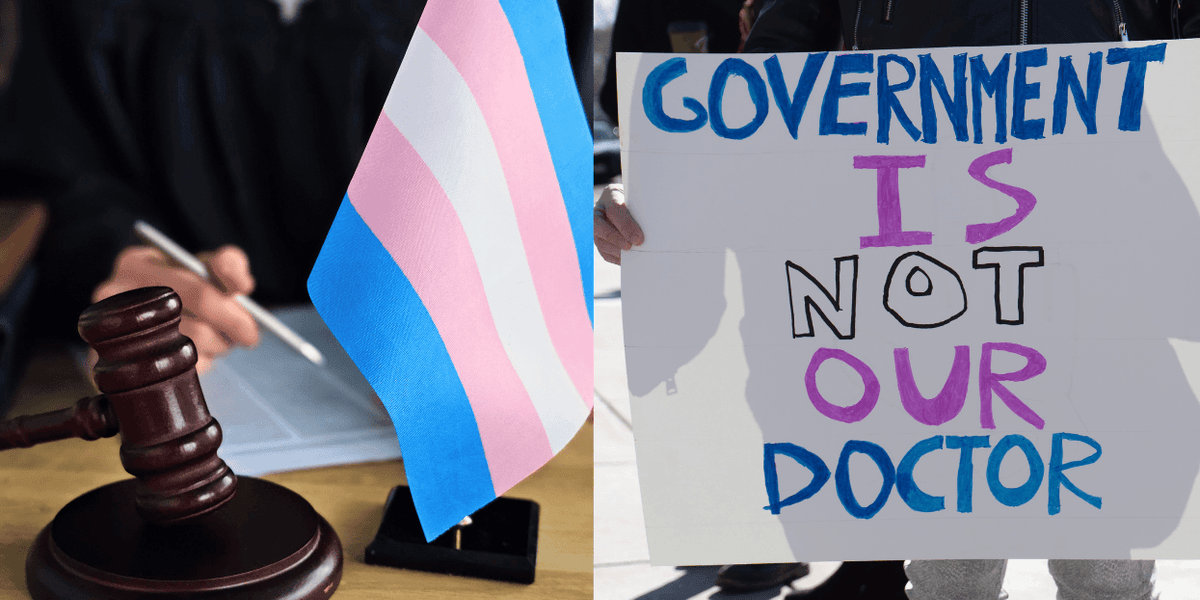
"Last summer, the Justice Department sent subpoenas for medical records to 20 hospitals nationwide that provided minors gender-affirming care, including Children's National Hospital. The facility stopped prescribing minors gender-affirming medication soon after. Eight families who accessed medical care through the hospital's Gender Development Program filed a motion to quash the subpoena last November. The medical records at hand were "deeply private and constitutionally protected," their motion read."
"In a January 21 decision, U.S. District Judge Julie Rubin described the department's effort as "a fishing expedition" and "an overreach," denying the Justice Department access to plaintiff medical records. Rubin restricted the scope of her decision to those who filed the motion. "It was just a huge sigh of relief," said Donovan Bendana, a legal fellow for the Massachusetts-based legal nonprofit GLBTQ Legal Advocates & Defenders, which represented the families. "They had been under immense anxiety and stress.""
"Bendana described the Justice Department's effort as an attack on trans health care, but also health care protections more broadly. "This was just a vindication of not only our clients, but everyone's fundamental right to medical privacy," Bendana told The Advocate. "This is a right that has long been recognized by the courts." U.S. Attorney General Pam Bondi said last year that the Justice Department issued the subpoenas as a means of "enforcing the law""
A federal court denied the Justice Department access to minors' medical records from a D.C. gender-affirming care provider after families filed to quash a subpoena. The Justice Department issued subpoenas last summer to 20 hospitals nationwide that provided gender-affirming care to minors; Children's National Hospital subsequently stopped prescribing gender-affirming medication to minors. U.S. District Judge Julie Rubin called the DOJ's effort "a fishing expedition" and "an overreach," and limited the ruling to the plaintiffs who filed the motion. Advocates described the decision as a vindication of medical privacy and a defense of trans health care protections.
Read at Advocate.com
Unable to calculate read time
Collection
[
|
...
]