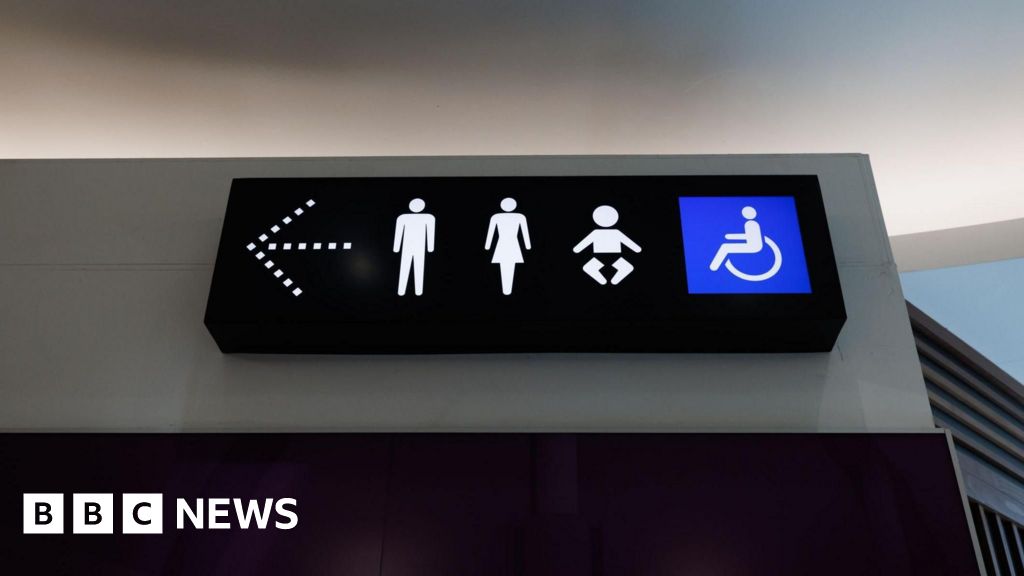
Single-sex spaces such as changing rooms, toilets, and hospital wards must be used according to biological sex. Trans women, described as biological males who identify as women, should not use female toilets or changing rooms. Trans people should instead be offered a third or gender-neutral space. Guidance also states that denying access to any services or facilities would be unlikely to be proportionate. Gender-neutral toilets or changing rooms should include self-contained lockable areas with floor-to-ceiling walls and wash basins. Where services have separate men’s and women’s toilets, they may be converted into unisex facilities. Ministers approved the guidance, and parliament has 40 days to raise concerns before it becomes statutory.
"Single-sex spaces - such as changing rooms, toilets and hospital wards - must be used on the basis of biological sex, new guidance from the equalities watchdog has confirmed. This means, for instance, that a trans woman - a biological male who identifies as a woman - should not use female toilets or changing rooms, according to the code of practice. The guidance, produced by the Equalities and Human Rights Commission (EHRC) and now approved by ministers, makes it clear that transgender people should be offered a third or a gender-neutral space."
"However, the code states that leaving a trans person without access to any services or facilities would be unlikely to be proportionate. The guidance was published on Thursday following the landmark Supreme Court ruling last year that the definition of a woman under the Equality Act should be based on biological sex. The code of practice sets out how associations, businesses and services open to the public should organise their facilities."
"Within the guidance, it was recommended that gender neutral toilets or changing rooms should have self-contained lockable areas with floor-to-ceiling walls and wash basins. It also said if a service had two toilets - one for men and one for women - they could be changed into unisex facilities. The EHRC said it did not think the requirements would be too onerous as services could decide to let trans people use toilets for disabled people."
"With the guidance now before parliament, MPs and peers have 40 days to raise any concerns. If there are no objections the guidance becomes statutory. The guidance was first sent to the government in September 2025. The EHRC said it expected ministers to spend six weeks examining it b"
#single-sex-spaces #biological-sex #transgender-rights #toilets-and-changing-rooms #equality-act-guidance
Read at www.bbc.com
Unable to calculate read time
Collection
[
|
...
]