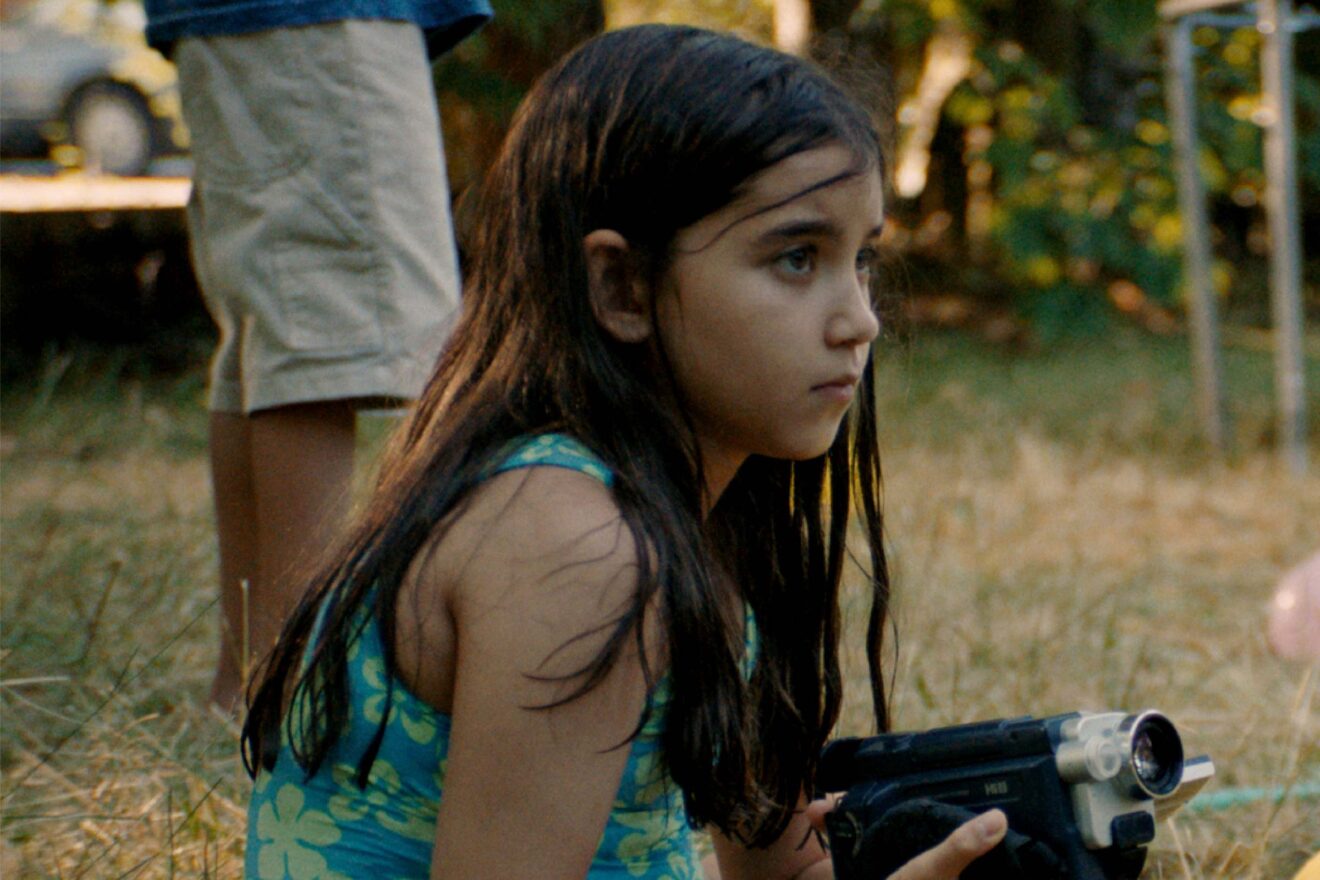
Autobiography starts with a feeling of being alone, described as an orphan form. Remembrance creates separation between the self as subject and the author, requiring a gap to gain perspective. To describe experiences honestly, the person who lived them must be left behind first. In Blue Heron, Sasha lives with immigrant parents on Vancouver Island in the 1990s. The family tries to assimilate into Canadian life while using Hungarian only in limited moments. Sasha’s older brother Jeremy escalates in high school, stealing, staging death, and showing impulses toward self-annihilation without being able to explain them. Sasha and her siblings experience his behavior as part of everyday life, where he can be kind or cruel, and the violence remains concealed yet present. The mother emphasizes that the worst part is how normal everything seems.
"“Autobiography,” the critic John Berger said, “begins with a sense of being alone. It's an orphan form.” Berger wrote these words weeks after the death of his mother, but he was speaking generally, about the project of remembrance which so many artists take up over the course of their lives. That loneliness-that orphanhood-is a matter of separation, a gap between the self as subject and author. We might approach who we once were, but if we are to describe our experiences with any sense of perspective-if we are to be honest about how we have lived-then we must first leave the person we were behind."
"In Blue Heron, the debut film from director Sophy Romvari, these experiences belong to Sasha (Eylul Guven), a young girl who has just moved into a new home on British Columbia's Vancouver Island. It is summer in the 1990s, and her immigrant parents are trying to assimilate into a normal Canadian existence, speaking English with Sasha and her three brothers, and only dipping into their native Hungarian when discussing eldest son Jeremy. The child of a prior marriage, Jeremy has been acting out since he was a child, and the family has made many changes large and small to accommodate his impulsive whims."
"Now in high school, his behavior is rapidly escalating: He steals, he plays dead on the front steps, he impulsively courts self-annihilation, and he cannot explain why. None of this is lost on the child Sasha, existing not just alongside but actively within her daily life. Nature walks, beach trips, and backyard playdates are so regularly interrupted by Jeremy's misbehaviors that, for the children, it has all begun to feel of a piece. Their brother can be kind or cruel, indulgent or impulsive, and often all at the same time, his shy, near-wordless demeanor concealing but never containing the violence swirling beneath the surface."
"As Sasha's mother tells her, the worst thing is how normal it all seems. Romvaricaptures this simultaneous normalcy and abnorm"
Read at Defector
Unable to calculate read time
Collection
[
|
...
]