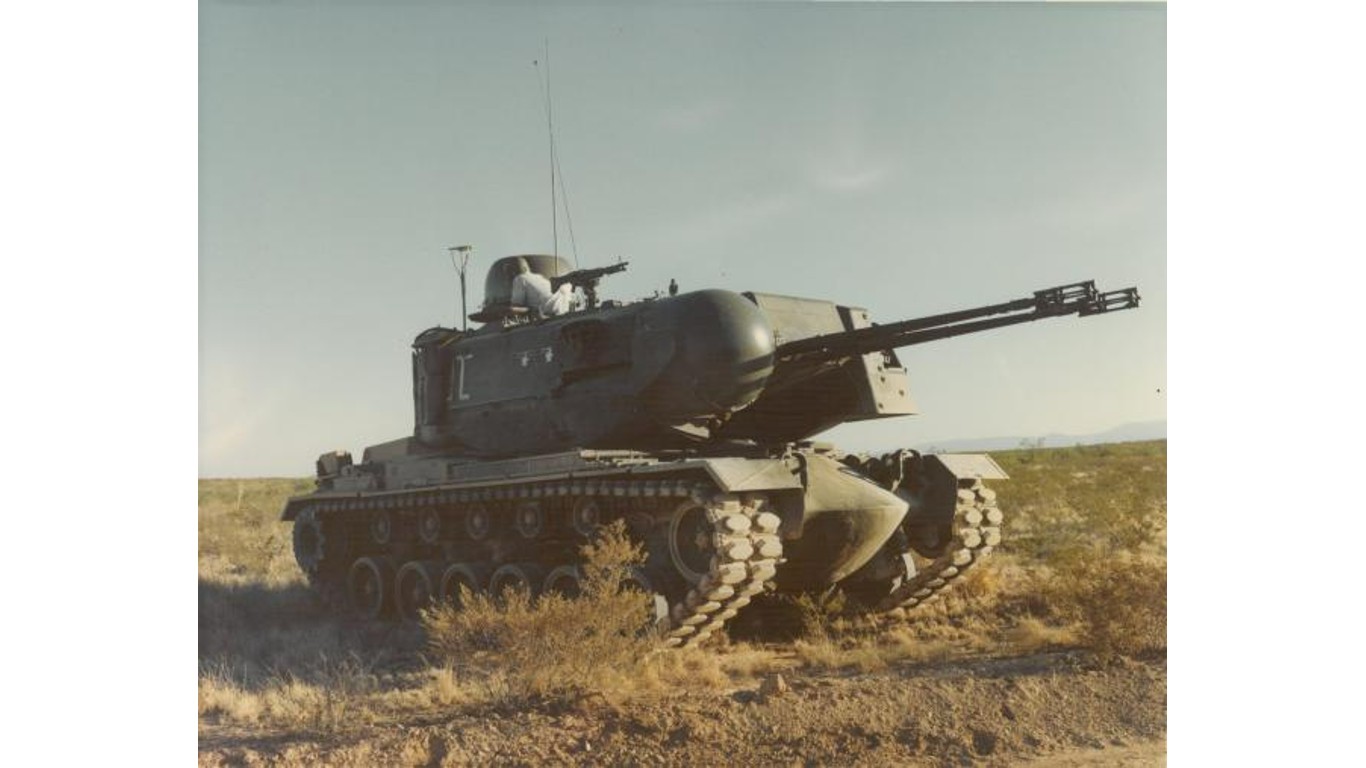
"Wars are rarely fought with perfect equipment. Throughout history, militaries have fielded weapons they knew were flawed, betting that training, doctrine, or sheer necessity would compensate for design shortcomings. Sometimes that gamble paid off. Other times it left troops adapting on the fly. Here, 24/7 Wall St. is taking a closer look at some weapons militaries adopted despite known design flaws."
"Understanding weapons the military issued despite known design flaws matters because it reveals how real-world procurement decisions are shaped by urgency, risk tolerance, and imperfect options rather than ideal engineering. These cases show that military effectiveness often depends on accepting compromise when time, cost, or strategic pressure leaves no better alternative. Examining these weapons helps explain why some flawed systems remained in service, how troops adapted around shortcomings, and why "good enough" has repeatedly become the standard during periods of conflict and transition."
Historical and military records document numerous cases where weapons with known design defects entered service because testing identified problems but strategic pressures demanded capability. Decision-makers frequently weighed urgency, industrial limits, cost, and available alternatives, accepting imperfect systems while seeking mitigations. Training, doctrine, and on-the-ground adaptations sometimes compensated for flaws; other times troops faced increased risk or improvised workarounds. Continued service of flawed systems reflected pragmatic trade-offs during conflict and transition. Cataloging the type of system, its flaw, mitigation measures, and reasons for acceptance clarifies how compromised equipment influenced battlefield performance and procurement choices.
Read at 24/7 Wall St.
Unable to calculate read time
Collection
[
|
...
]