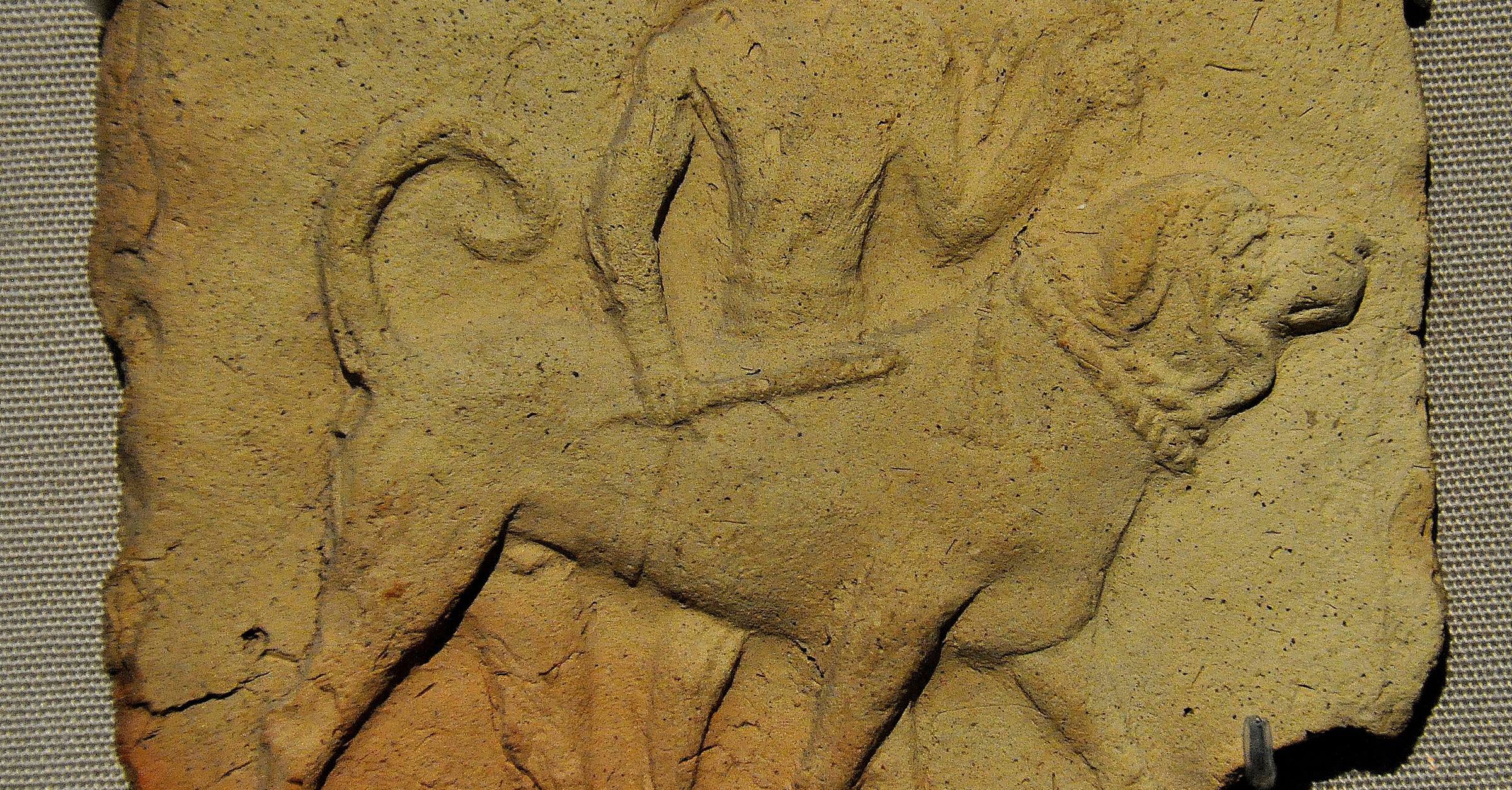
"Dogs were greatly esteemed in Mesopotamia as protectors, healers, and companions of the gods. The healing goddess Gula was always depicted with a dog, as was Inanna, one of the most - if not the most - popular deities in the Mesopotamian pantheon."
"In the modern day, then, the simple act of a dog's owner putting a collar and leash on his or her friend is a repetition of a practice going back thousands of years to another time and place."
"Although the dog collar of the present is made of different materials, the basic design remains unchanged and, it seems, the essential relationship between people and their dogs does as well."
The dog collar, integral to daily life in ancient Mesopotamia, is depicted in art alongside dogs, including those of the gods. While its exact origin is uncertain, it likely developed independently in various regions. Mesopotamians valued dogs as protectors and companions, often portraying them with collars in art. This relationship dates back to at least 3300 BCE in Sumer, and the modern dog collar, though made of different materials, retains a similar design and reflects the enduring bond between humans and dogs.
Read at World History Encyclopedia
Unable to calculate read time
Collection
[
|
...
]