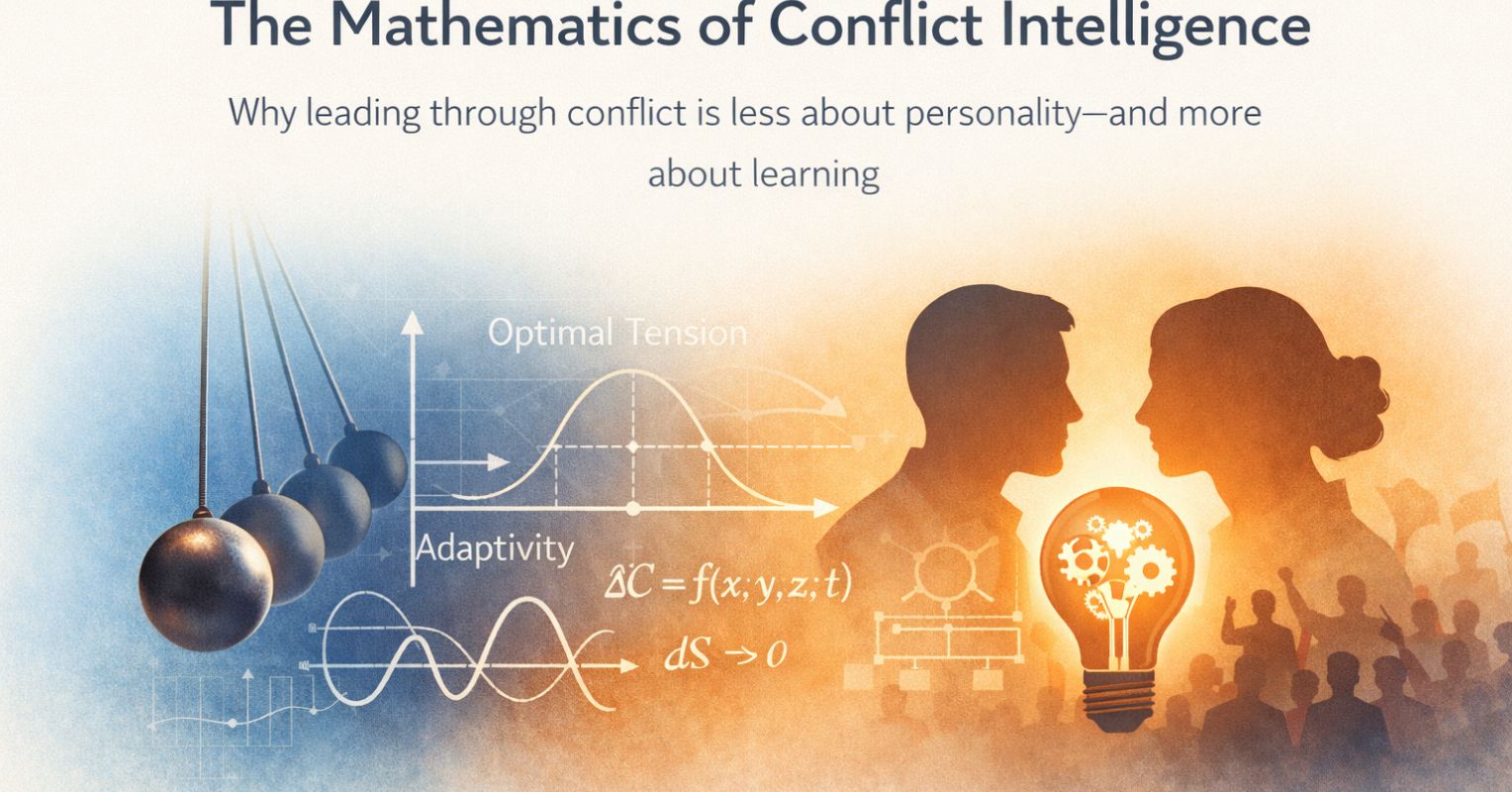
"Conflict intelligence behaves more like a dynamic system. It grows, stabilizes, or declines depending on how leaders respond to pressure, complexity, and feedback over time. In this sense, the real question isn't: Is this leader good at conflict? It's: How does this leader's capacity to handle conflict evolve under stress and learning?"
"A week later, the same leader took a different approach. Instead of another statement, the administration convened facilitated forums, brought in skilled facilitators, and opened structured dialogues with students, faculty, and community groups. The tone slowly shifted. Disagreement remained tense, but conversations became more constructive."
A university president's shift from defensive statements to facilitated dialogues demonstrates how conflict management approaches determine outcomes. Initial confrontational responses escalated tensions, while structured dialogue and skilled facilitation created space for constructive engagement. Conflict intelligence operates as a dynamic system that grows or declines based on leadership responses to pressure and feedback, not as a fixed personality trait. Four core capacities drive this evolution: adaptivity to changing conflict conditions, emotional regulation under stress, perspective-taking across stakeholder groups, and systemic thinking that addresses root causes rather than symptoms.
#conflict-management #leadership-development #dynamic-systems #organizational-communication #emotional-intelligence
Read at Psychology Today
Unable to calculate read time
Collection
[
|
...
]