Eating too much red and processed meat increases risk of chronic disease, contributes about one-eighth of human-made climate pollution, and has evidence linking it to certain cancers. Meat remains common on dinner plates, especially among men, creating a masculine challenge to addressing the climate crisis. Men and women show large, consistent differences in meat consumption, and research finds men consume more meat even after accounting for energy needs. Men are also more resistant to reducing meat and adopting plant-based diets, with exceptions when health declines or a supportive romantic partner influences change. Cultural and symbolic associations connect meat with masculinity and plants with femininity, framing diet change as a personal threat. Dietary guidelines recommend more whole grains and vegetables and limit servings from meat-containing food groups.
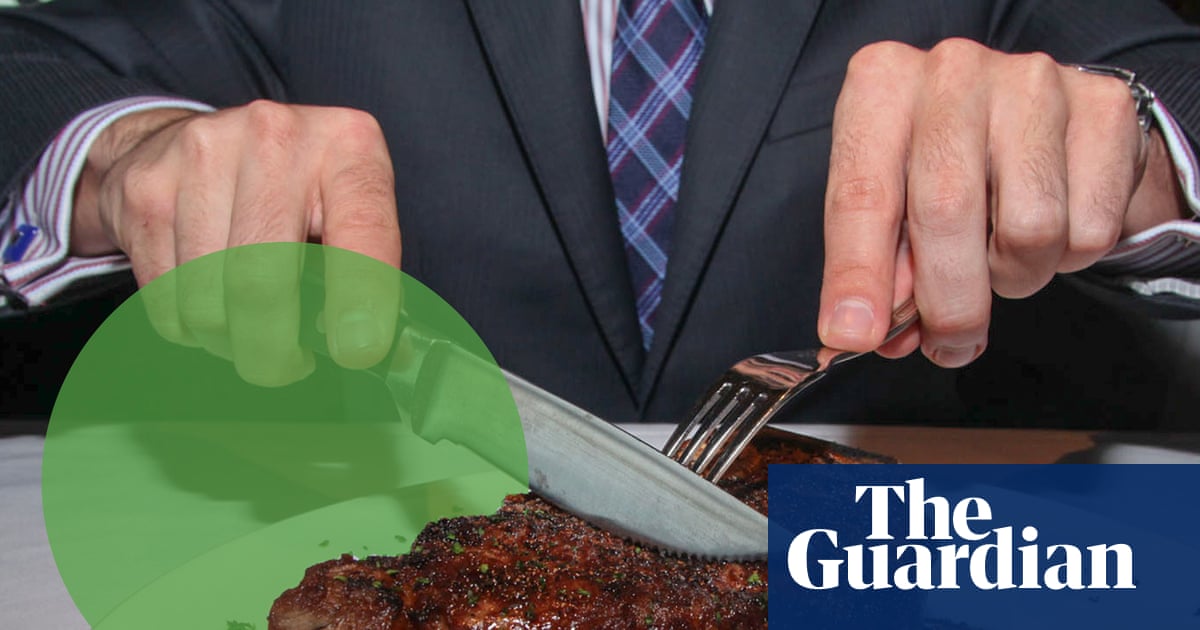
"Eating too much of it risks chronic disease, growing it contributes about an eighth of human-made climate pollution, and there is evidence linking it to certain cancers. But there's no denying meat especially red and processed meat remains a firm fixture on dinner plates. This is especially the case for blokes, posing a masculine challenge to the climate crisis."
"In terms of pure consumption, there are very large discrepancies and consistent discrepancies between men and women in how much meat they consume. The stereotype that men and meat are an inseparable pair plays out in research. A French study last year found motoring and eating habits led to a 26% emissions disparity between men and women. Other research finds that, when adjusted for differences in energy needs, men still consume more meat than women."
"They are also likely to be more resistant to reducing meat consumption, and to adopting plant-based diets. The exception is when deteriorating health or a veggie-sympathetic romantic partner prompts a change. Overall, there's a persistent theme: many men see meat eating as an expression of manhood, and view attempts to force change to their diets as a personal even emasculating threat."
"Camilleri says, from longstanding cultural and symbolic associations the myths that meat is masculine and plants feminine; that men are hunters, women gatherers; that real men eat meat. But as the planet heats up, the need has never been greater for men, and the men in our lives, to shake up meal time. More meat than ever Australia's dietary guidelines recommend whole grains and vegetables to meet more than half a person's daily energy needs."
#meat-consumption #climate-pollution #masculinity-and-culture #dietary-guidelines #chronic-disease-risk
Read at www.theguardian.com
Unable to calculate read time
Collection
[
|
...
]