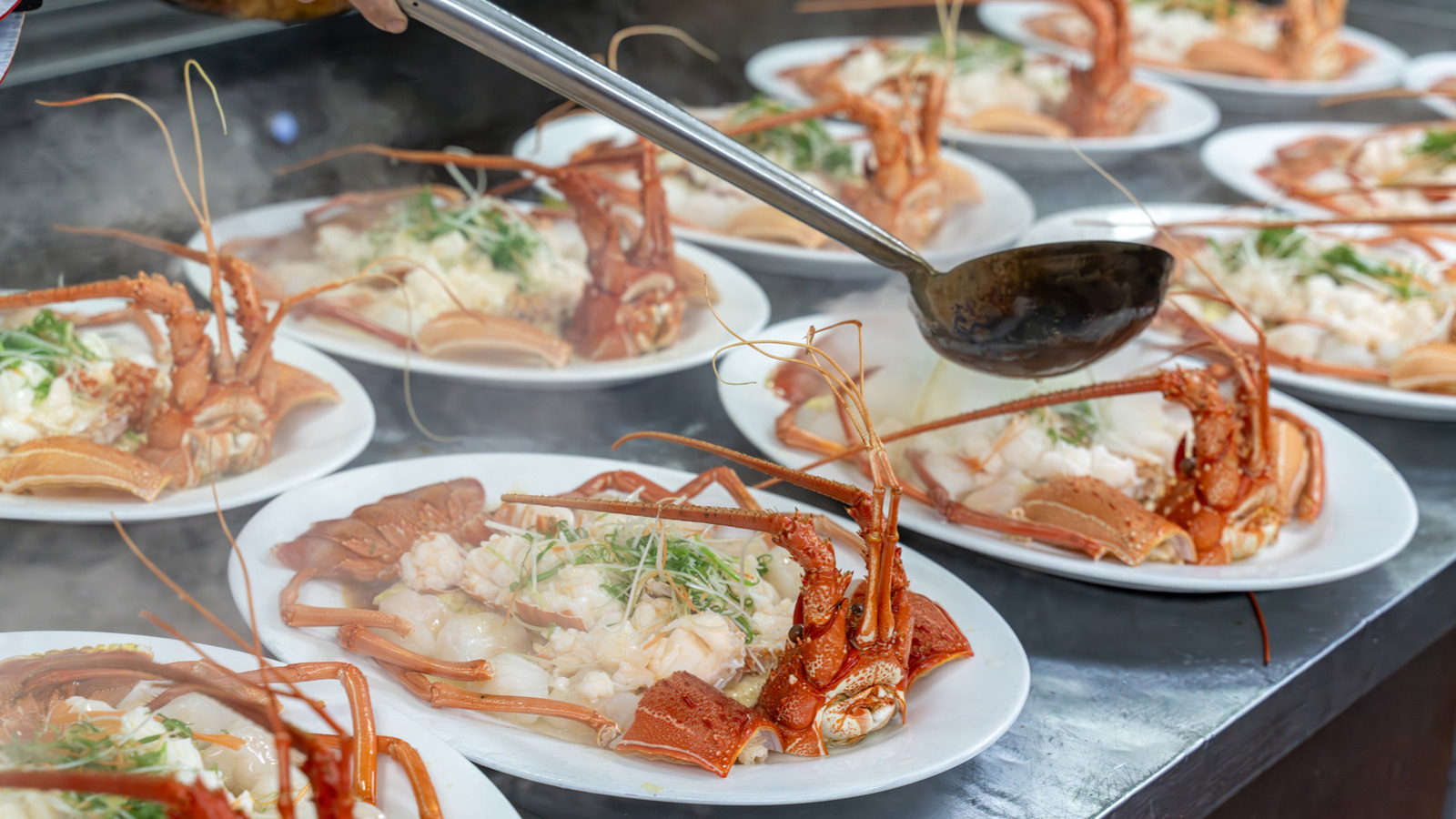
"If the lobster boats pull in more lobsters than expected one week, supply might outweigh demand and prices go down. In a month's time, the haul could be much less, demand could increase, and prices could rise with it. Other factors - such as where they have to fish to find seasonal seafood offerings along with the cost of bait, fuel, labor, and other incidentals - can also be reflected in market price."
"Traditionally, you would see this apply to lobster or crab, but seasonally available fish like Dover sole and bluefin tuna also qualify. Instead of listing a fixed price in dollars and cents, restaurants use "market price," "MP," or "MKT" so they do not have to constantly reprint their menus. The market for wild-caught seafood is volatile and fluctuates seasonally, sometimes even weekly. But an unscrupulous restaurant could use this volatility to overcharge, which is a red flag to watch out for."
Market-price listings on menus denote that the restaurant will charge a price that fluctuates with the wholesale market rather than a fixed dollar amount. Such listings commonly apply to lobster, crab, and seasonally available fish like Dover sole and bluefin tuna. Wild-caught seafood markets are volatile and can vary seasonally or even weekly. Variations arise from supply changes, fishing locations, and costs like bait, fuel, and labor. Significant day-to-day swings are uncommon, and prices should remain similar from one day to the next. Market pricing can enable overcharging when used unscrupulously, so consumer caution is warranted.
Read at Tasting Table
Unable to calculate read time
Collection
[
|
...
]