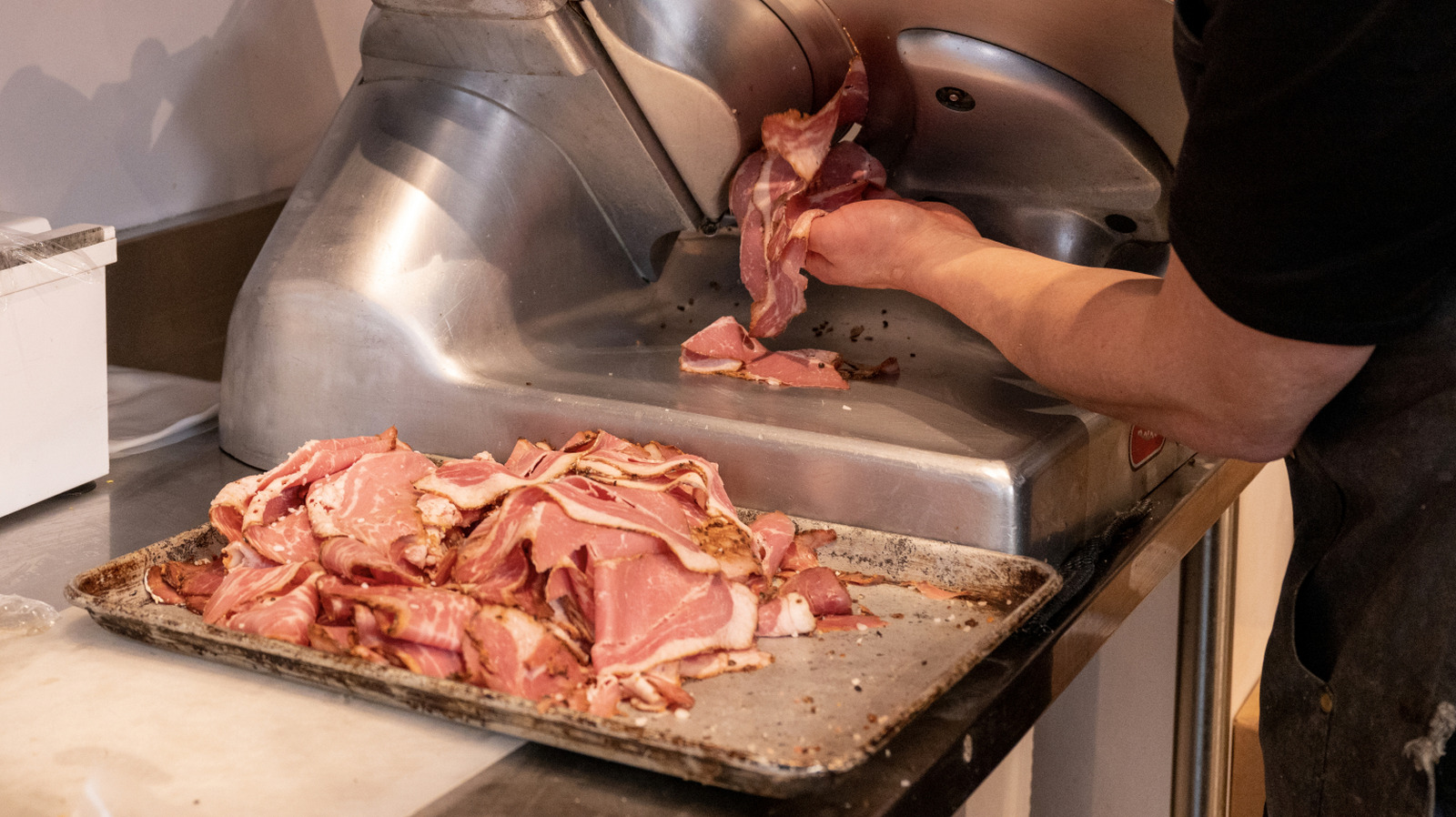
"The villain in this story is listeria monocytogenes, a notable bacteria when it comes to meat-related food safety that causes the third highest number of foodborne illness deaths in the United States each year, according to the CDC. That's pretty scary, especially in the context of the deli environment; meats sliced and packaged at retail delis are the major source of listeriosis illnesses attributed to deli meat."
"The FDA suggests inspecting deli meat slicers for damage every four hours. Shockingly, studies carried out by the CDC showed that three in five delis had damaged meat slicers, which gives bacteria a chance to take hold in the nooks and crannies. The FDA explains that as seals and gaskets become degraded, spaces can be created that can trap debris and moisture."
Freshly-sliced deli meat offers superior taste and appeal compared to pre-packaged alternatives, but introduces food safety risks absent in factory-sealed products. In-store meat slicing requires frequent equipment cleaning and maintenance to prevent bacterial contamination. Listeria monocytogenes represents the primary concern, causing the third-highest number of foodborne illness deaths annually in the United States. Retail delis are major sources of listeriosis outbreaks linked to deli meat. The FDA recommends inspecting meat slicers for damage every four hours, yet studies reveal three in five delis operate damaged slicers. Degraded seals and gaskets create spaces where debris and moisture accumulate, enabling bacterial growth in areas resistant to cleaning.
Read at Tasting Table
Unable to calculate read time
Collection
[
|
...
]