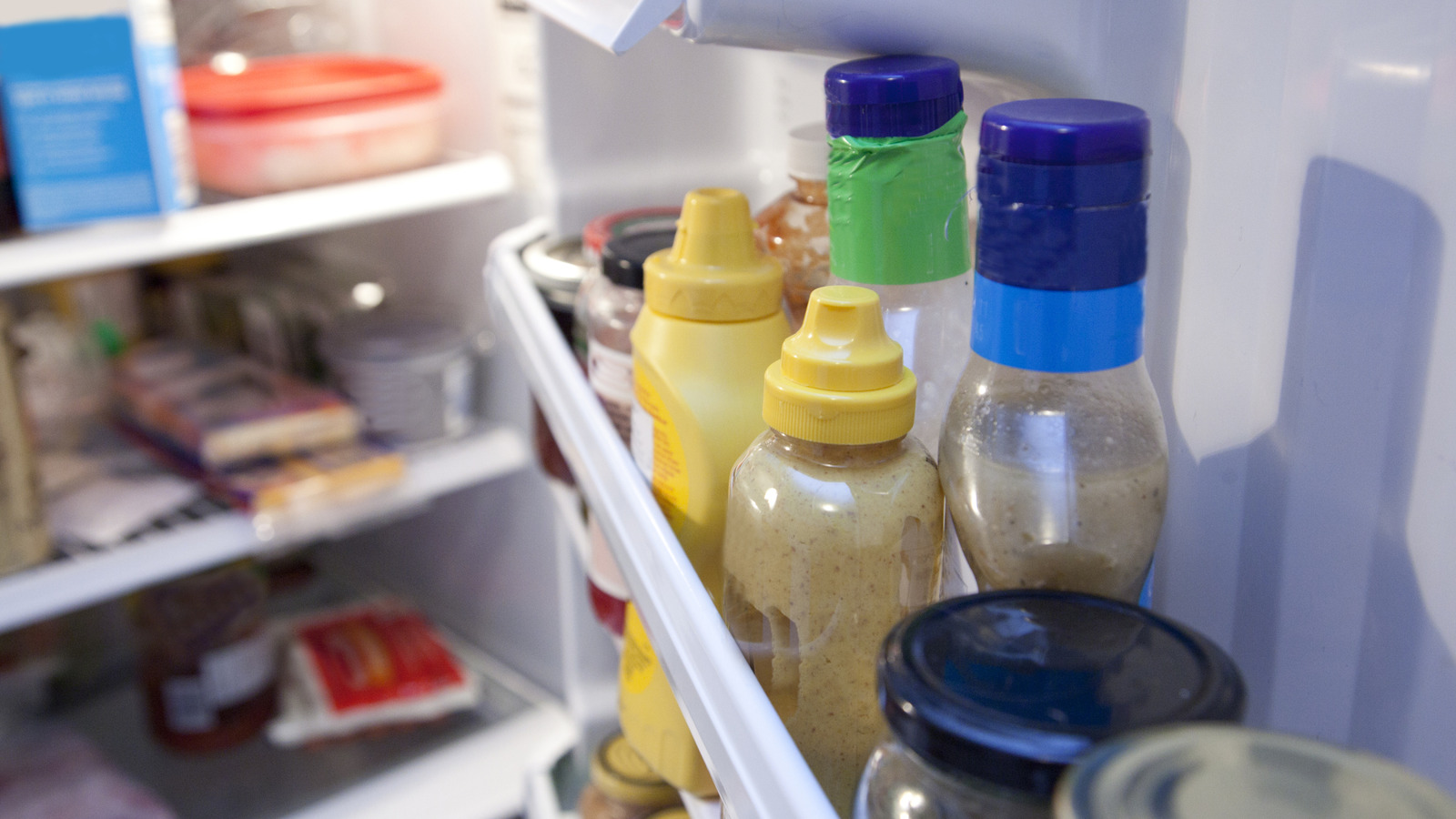
"Cold temperature dials down bacterial growth and biochemical reactions, but doesn't stop them. Everything in the fridge is still aging, just at a slower pace, and mayonnaise is a prime example of this. It's actually sturdier than some condiments, but it's definitely not immortal. Commercial mayo lasts longer than its fragile, controversial reputation, because the eggs are pasteurized, the environment is acidic, and the water activity is low."
"This is the difference between spoilage and decline, or deterioration. Spoilage makes you sick; deterioration just tastes mildly gross. Oxidized oils develop ambiguous off-notes that would challenge any sommelier, which might be sharp, plasticky, bitter, or just stale. Oxidized fats aren't nutritionally or perceptually amazing, they aren't usually a food-safety emergency. As emulsifiers degrade, the structure loosens and the mayo might separate in a way that resists recombining, and the parts nearest the lid might congeal and become translucent."
Refrigeration slows bacterial growth and biochemical reactions but does not stop the aging of mayonnaise. Pasteurized eggs, acidity, and low water activity give commercial mayo a longer shelf life than expected. Oils begin oxidizing once the jar is opened, causing flavor to decline from rich and tangy toward off-notes well before true rancidity or food-safety issues occur. Oxidized oils can taste sharp, plasticky, bitter, or stale. Emulsifier breakdown loosens structure, producing separation and translucent congealing near the lid. Peak quality commonly ends about two months after opening, while sealed jars remain stable much longer.
Read at Tasting Table
Unable to calculate read time
Collection
[
|
...
]