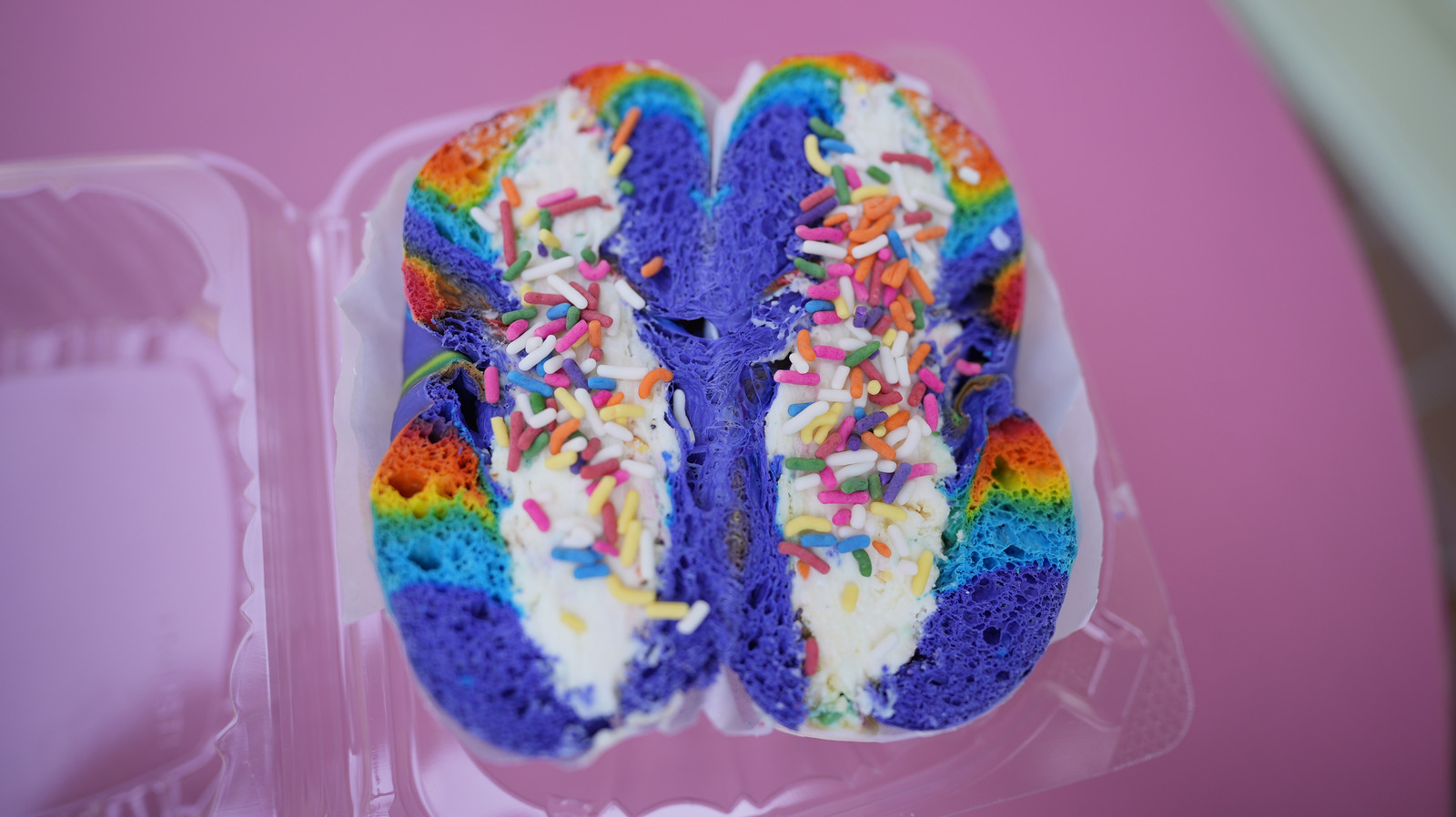
"Why do grown-ups attend Comic-Cons dressed in artfully-mastered, head-to-toe cosplay? Why does the animated Sanrio menagerie have such an impassioned adult fanbase? Why do I feel like I'm going to cry when I sit down on the swing set at my local playground twice a year and push off? The answer, simply put, is that "kid stuff" isn't just for kids. As C. S. Lewis noted, "A children's story that can only be enjoyed by children is not a good children's story in the slightest.""
"When the viral food trend first emerged, the colors were based on natural ingredients with nutritional value. Adeline Waugh, a Miami-based wellness blogger and food stylist, unwittingly springboarded the "unicorn food" trend after posting photos of foods that were dyed with beetroot powder. After her commenters likened the magenta fare to "unicorn food," Waugh adopted the title, incorporating the "unicorn" buzzword into subsequent photo captions."
Adults often embrace activities and aesthetics associated with childhood, finding emotional resonance in cosplay, Sanrio characters, and playground nostalgia. A 2016 "unicorn food" trend began with colors derived from natural, nutritious ingredients like beetroot, green chlorophyll, and freeze-dried blueberry powder. Miami-based wellness blogger Adeline Waugh helped popularize the concept after posting beetroot-dyed foods and adopting the "unicorn food" label. Rapid viral adoption shifted the trend toward artificial food dyes, pastel rainbow tones, and edible sugar sparkles. The trend showcased inventive plating and playful creativity, but the shift toward artificiality diluted nutritional value and culinary seriousness.
Read at Tasting Table
Unable to calculate read time
Collection
[
|
...
]