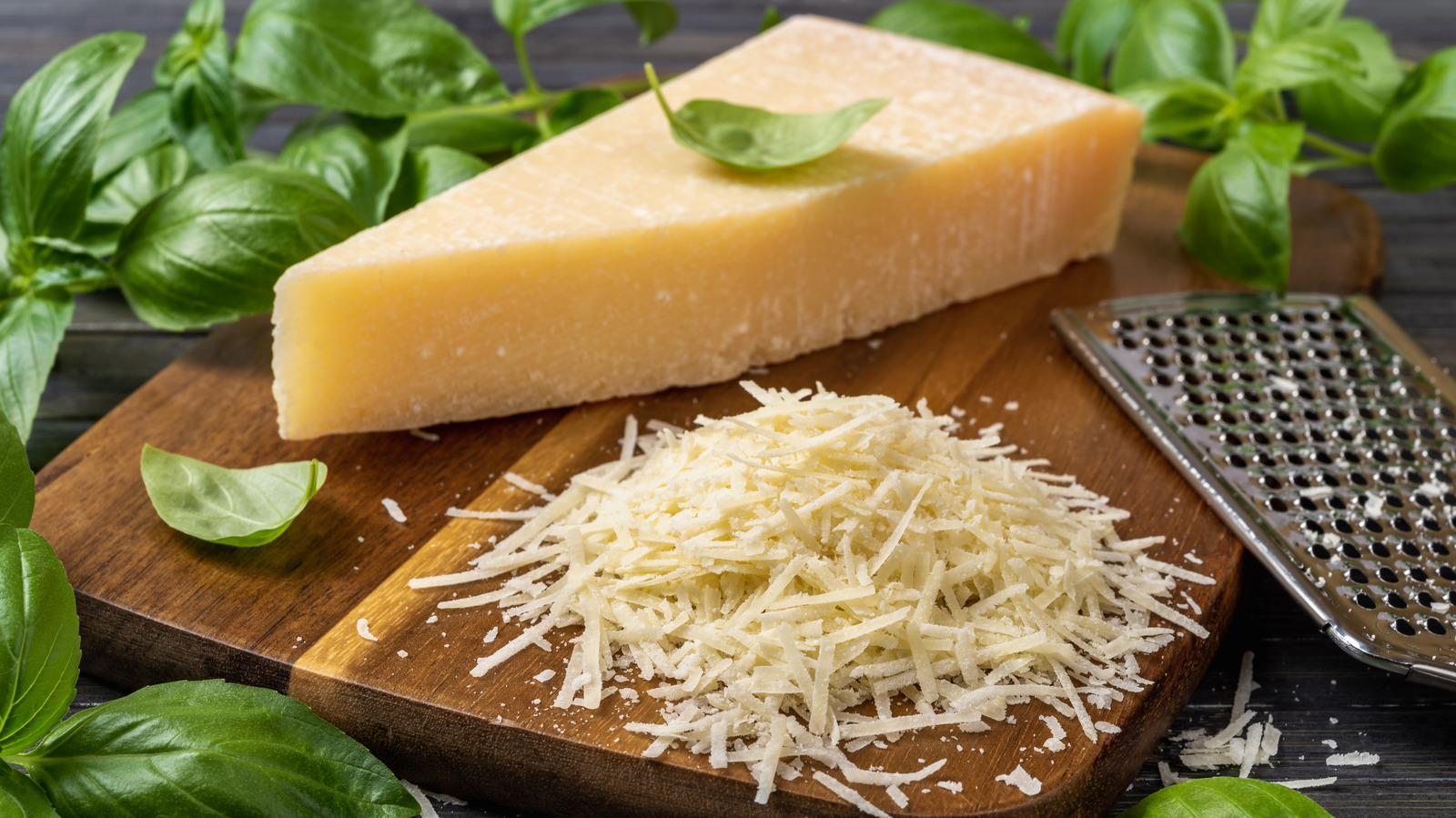
"Don't request added grated cheese to seafood dishes - especially pasta with fish or shellfish, such as linguine and clams. Asking for Parmigiano in this scenario is widely considered a faux pas. The reasoning is that the intensity of long-aged cheeses, including Parmigiano, tend to overpower the subtler taste profiles of fish and shellfish. That's because fermentation, aging, and moisture evaporation cause these cheeses to develop concentrated, complex flavors and rich, dense texture."
"The no-no of Parmesan with seafood isn't necessarily a hard-and-fast rule in other countries - but it's very much engrained in the culinary culture of Italy. So "when in Rome," as the saying goes, or in other parts of Italy, you'll have a much better dining experience when honoring local traditions. Italy is revered for its magnificent food, so by all means, resist the urge to change it."
Italy's cuisine emphasizes Mediterranean ingredients such as fresh vegetables, olive oil, cheeses, pasta, regional wines, seafood, pesto, and regional pizza styles. Parmigiano Reggiano is produced in PDO regions like Parma, Reggio Emilia, Modena, Mantua, and Bologna; U.S. versions are called Parmesan. In Italy, diners should not request grated Parmigiano on seafood dishes, particularly pasta with fish or shellfish, because long-aged cheeses develop concentrated, complex flavors and dense texture that overpower delicate seafood profiles. Fermentation, aging, and moisture evaporation intensify these cheeses. Outside Italy this practice may be less strict, but the taboo is ingrained in Italian culinary culture.
Read at Tasting Table
Unable to calculate read time
Collection
[
|
...
]