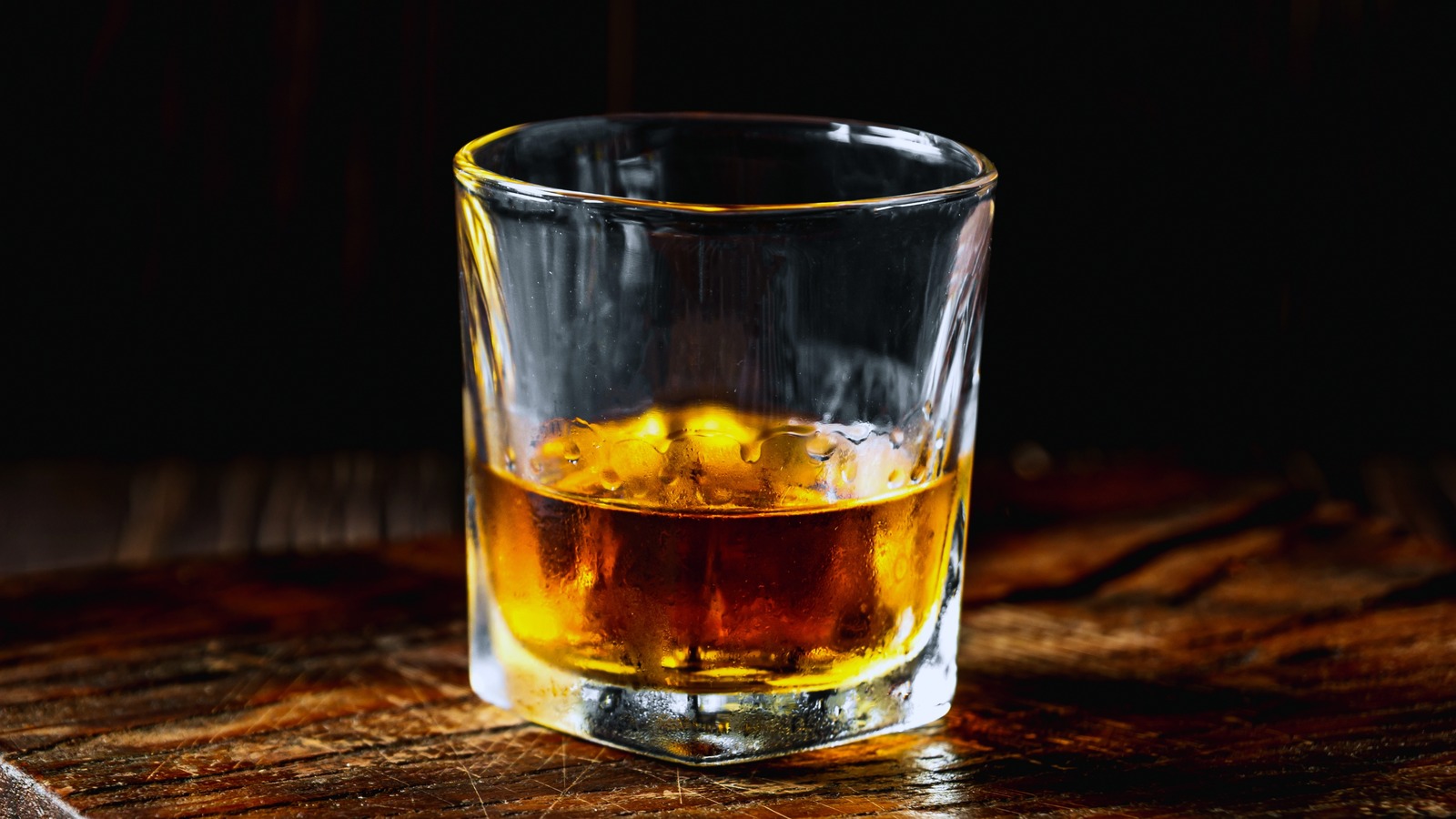
"Those vanilla notes are developed during the aging process as the bourbon sits in oak barrels. Oak contains a compound called lignin, which is a natural source of the phenol vanillin. This phenol is what gives vanilla beans their signature flavor and aroma, but it's present in smaller amounts in a range of other plants including coffee, cacao, and oak. Additional vanillin phenol can be produced from other naturally occurring compounds under certain circumstances, such as roasting coffee beans or the fermentation of liquor."
"For liquor to be sold as bourbon as opposed to any other whiskey, it has to meet certain requirements. One of these is being aged in new charred oak barrels. The charring, which entails sending a burst of flames into the empty barrels, also plays a key part in the end flavor. The heating process creates additional vanillin phenols, but it also opens up the pores in the wood to allow more contact with the fermenting liquor."
Bourbon acquires vanilla flavor from vanillin created in oak during barrel aging. Oak lignin releases vanillin, a phenol also found in coffee and cacao. Charring and heating of new barrels generate additional vanillin phenols and open wood pores, increasing extraction into the spirit. Barrel aging also contributes caramel, smoke, and coconut notes, while yeast yields herbal characters and grain mash supplies biscuity and spicy flavors. U.S. bourbon regulations require aging in new charred oak barrels, so each bourbon batch uses fresh barrels and older barrels are often repurposed for other whiskeys.
Read at Tasting Table
Unable to calculate read time
Collection
[
|
...
]