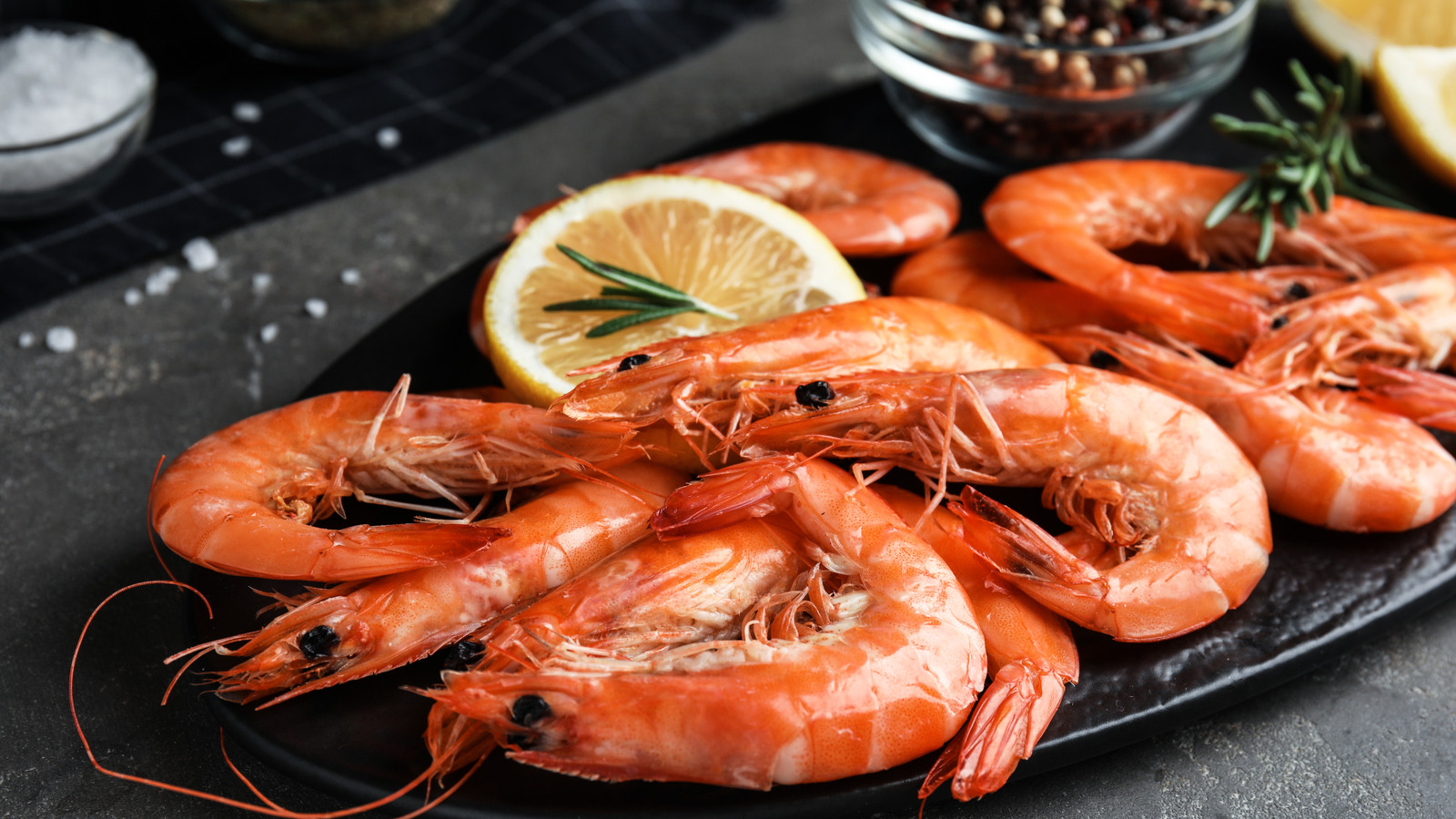
"When it comes to the list of the most popular seafood in the U.S., shrimp is far and away the most consumed. While we tend to think of seafood as coming from saltwater oceans, this list also includes freshwater fish, clams and shrimp. It's true that most of shrimp we eat comes from saltwater habitats, but freshwater shrimp has its place at the table. Setting aside the distinction between shrimp and prawns, there are some key differences between freshwater and saltwater shrimp that you should know."
"Freshwater shrimp are generally much larger, sometimes up to 12 inches long, with firm meaty flesh. The taste is mild but subtly sweet and has been compared to cooked lobster. Saltwater shrimp are often smaller, though this will vary with the variety of shrimp - there are more than 2,000 species worldwide, with the majority found in saltwater. The flesh is more delicate in texture with a taste that's unsurprisingly more salty."
Shrimp ranks as the most consumed seafood in the U.S., including both saltwater and freshwater varieties. Freshwater shrimp are often much larger, sometimes up to 12 inches, with firm, meaty flesh and a mild, subtly sweet flavor likened to cooked lobster. Saltwater shrimp encompass most of the more than 2,000 species worldwide, tend to be smaller, possess more delicate flesh, and carry a saltier taste. Many wild freshwater species are inedible or inhabit polluted waters, so supermarket freshwater shrimp usually come from aquaculture and are seasonally available. Saltwater shrimp are available year-round, but commercial trawling for shrimp can damage ocean habitats and threaten endangered species. Freshwater shrimp work best in dishes where shrimp are the focal point and require longer cooking times.
Read at Tasting Table
Unable to calculate read time
Collection
[
|
...
]