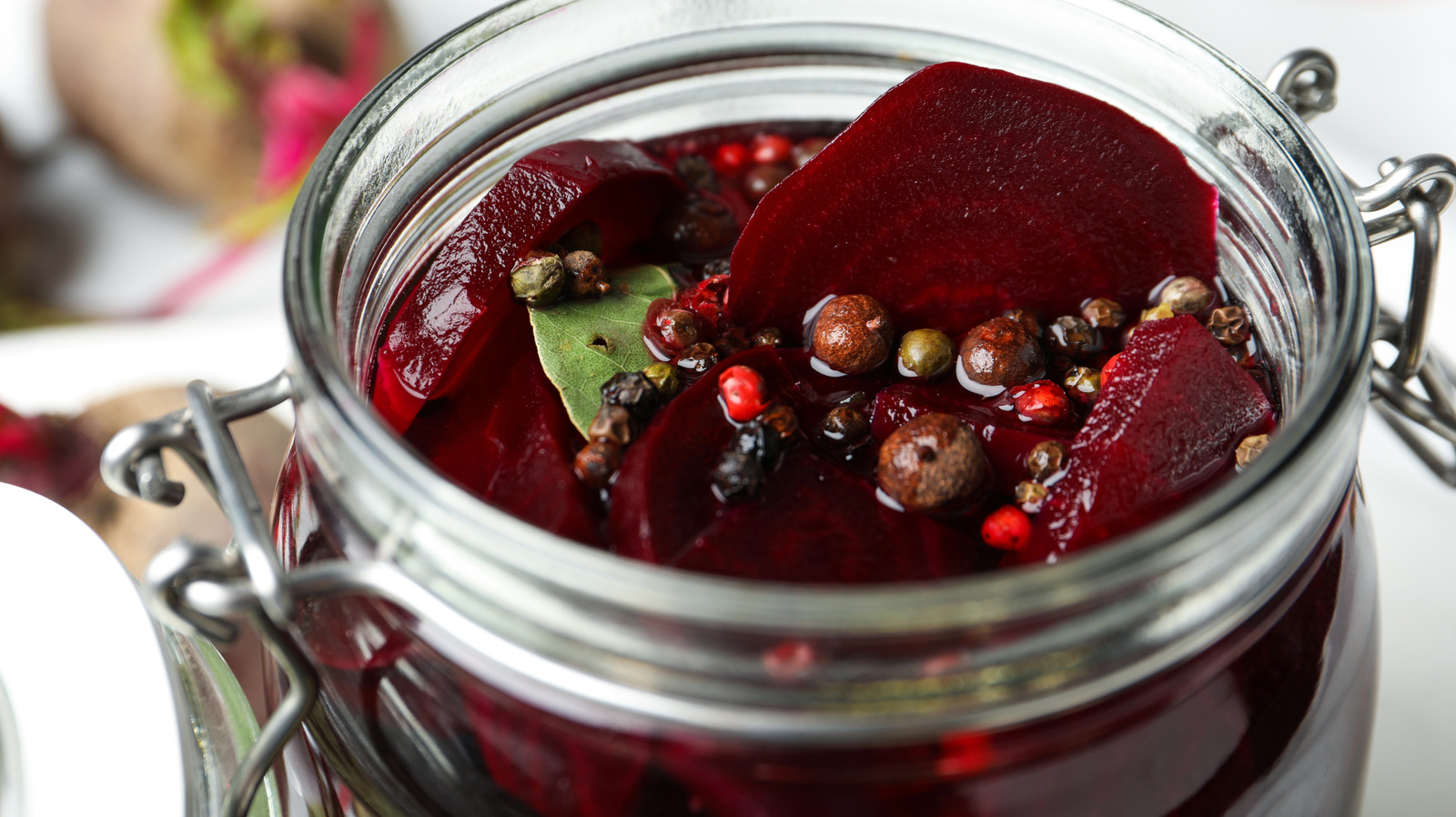
Beets are a nutritious root vegetable high in fiber and beneficial nutrients, including vitamin C, folate, iron, and potassium. Fresh beets offer culinary versatility but can be difficult to prepare and can stain skin, clothing, and kitchen surfaces. Canned beets provide a convenient alternative that preserves many nutrients and may aid blood pressure reduction. Research shows rinsing canned vegetables with tap water and draining for two minutes significantly lowers sodium but can also reduce vitamin and mineral content. Rinsing canned corn lowered vitamin C by 18%, while peas and green beans showed about a 5–6% decrease. Canned beets contain nearly 6.5 mg of vitamin C per cup. Rinse canned beets only when sodium reduction is needed; otherwise, skip rinsing.
"They are filled with fiber and beneficial nutrients like vitamin C, folate, iron, and potassium, and beets have even been linked to aiding in lowering blood pressure. But depending on how they are processed and packaged, canned vegetables can be a sneaky source of unwanted sodium, but the liquid in the can may also be a source of extra nutrients as well."
"According to a 2011 publication by the Federation of American Societies for Experimental Biology (FASEB), rinsing canned vegetables with tap water then allowing them to drain for two minutes can significantly lower their sodium content, however it may also result in the loss of other vitamins and minerals. In the experiment, rinsing canned corn resulted in an 18% loss of vitamin C, while rinsing canned peas and green beans both yielded about a 5-6% decrease of vitamin C,"
Read at Tasting Table
Unable to calculate read time
Collection
[
|
...
]