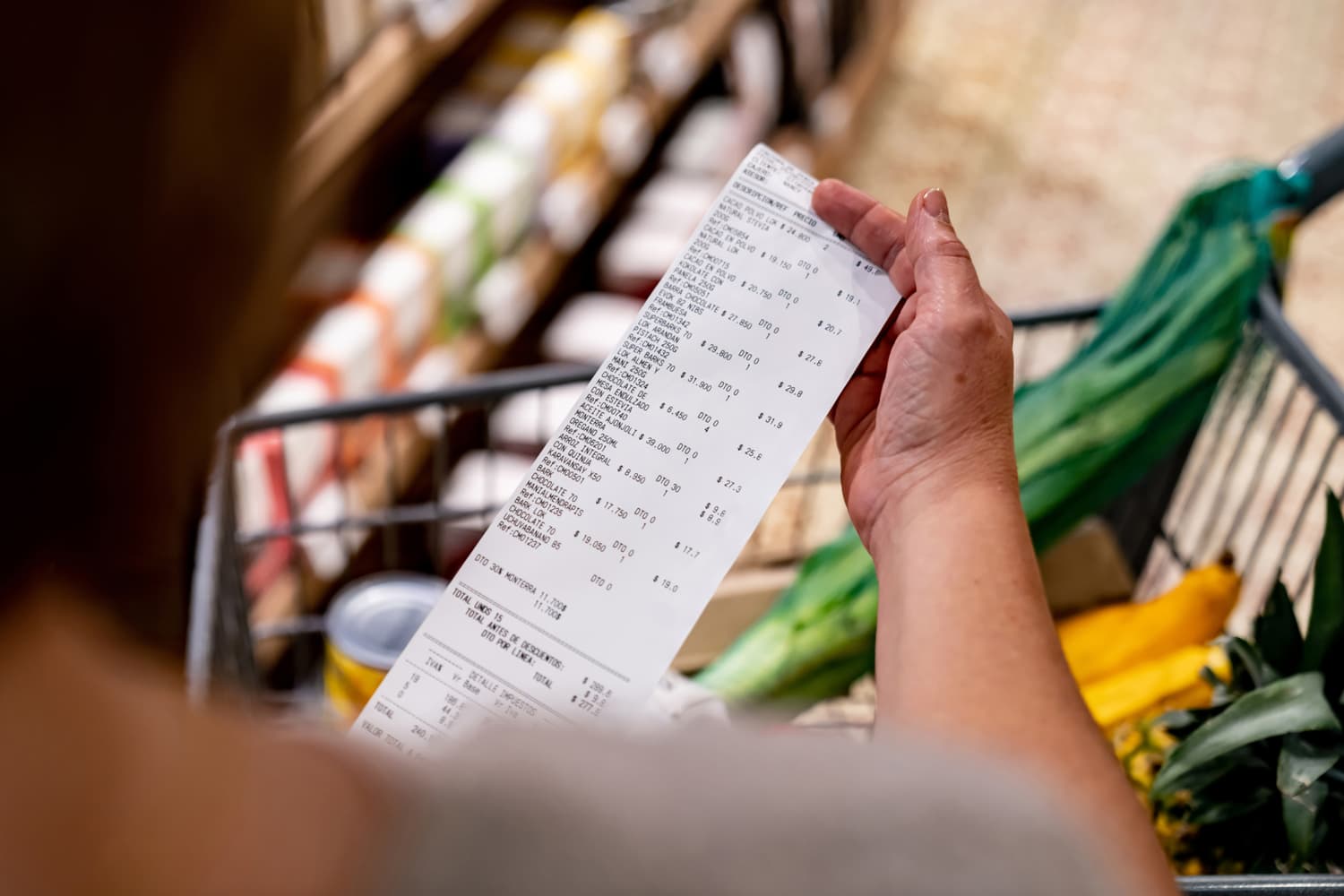
"Saving money can feel like an uphill battle, especially when it comes to groceries. Like many others, I've noticed the shortages and price fluctuations affecting items like cartons of eggs, coffee, meat, and so much more due to tariffs, supply chain disruptions, and environmental factors like bird flu and natural disasters, among others. It's hard to keep up, but we can still shop savvier to keep our own grocery bills as manageable as we can."
"The key for Sam, a wealth management adviser in North Carolina, is to follow a plan that's "as simple and consistent as possible." The easiest way to do this is to keep a curated grocery list. In Sam's case, he focuses on a few main categories, like picking "a protein, vegetables, and grains" each week to easily create filling meals like grain bowls, roasted meats and veggies, and soups."
"Similar to the viral 6-to-1 method, think of it as an outline or blueprint to help you stay on budget. There's still a ton of flexibility within those categories for you to create new and exciting meals each week. You could pick up on-sale chicken drumsticks one week and frozen shrimp the next. In-season (and often cheaper) produce like squash, mushrooms, carrots, and onions are plenty versatile."
Grocery costs have risen due to tariffs, supply-chain disruptions, and environmental events such as bird flu and natural disasters, causing shortages and price fluctuations for items like eggs, coffee, and meat. To control spending, follow a simple, consistent plan and maintain a curated grocery list. Focus weekly on core categories—protein, vegetables, and grains—to assemble filling meals like grain bowls, roasted meats with veggies, and soups. Take advantage of sales and seasonal produce such as squash, mushrooms, carrots, and onions. Swap grains and vary proteins to keep meals interesting while keeping grocery bills manageable.
Read at Apartment Therapy
Unable to calculate read time
Collection
[
|
...
]