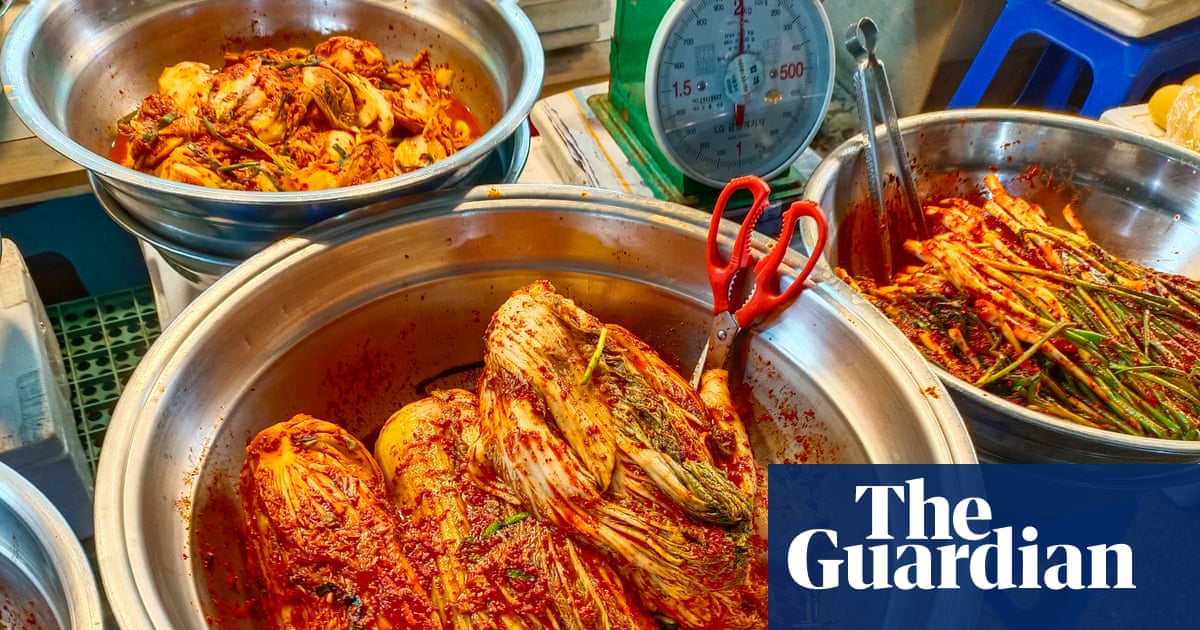
A kimchi factory in Incheon continues traditional fermentation practices while facing mounting competition from lower-priced imported kimchi, primarily from China. Domestic kimchi sells for roughly double the price of Chinese imports, prompting restaurants to switch suppliers and reducing demand for local products. In the first 10 months of the year, South Korea imported $159m of kimchi while exporting $137m. Kimchi encompasses over 150 regional varieties made from various vegetables and seasonings, and fermentation yields lactic acid bacteria linked to health benefits. Changing household structures, including a rise in single-person homes, have reduced home kimchi making and shifted consumption patterns.
"Kimchi has become a world food from Korea, but this makes no sense at all, Kim says, describing how local restaurants have abandoned his products in favour of lower-priced imports. This market has been taken away from us. Kimchi from China sells to restaurants for about 1,700 won ($1.15) per kilogram, while Korean-made versions average about 3,600 won ($2.45), more than double the price."
"Kimchi, a fermented vegetable dish served with almost every Korean meal, is a cornerstone of food culture on the Korean peninsula. The term covers far more than the spicy cabbage most familiar to international diners. There are more than 150 recognised types, made with radish, cucumber, spring onions and other vegetables, seasoned with blends of chilli powder, garlic, ginger and fermented seafood paste, shaped by local climates and tastes. The fermentation process produces beneficial lactic acid bacteria that contribute to kimchi's reputation as a health food."
Read at www.theguardian.com
Unable to calculate read time
Collection
[
|
...
]