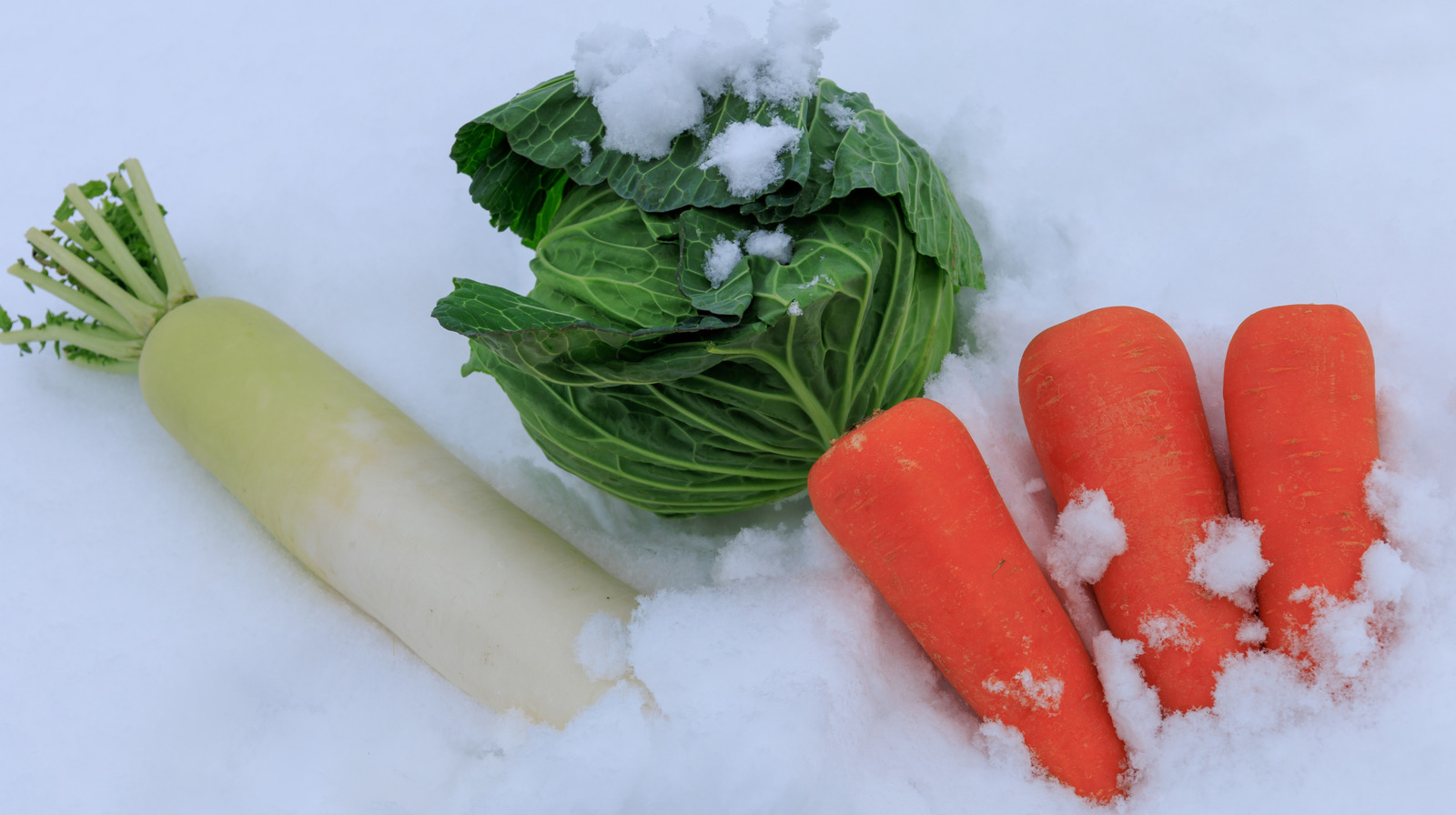
"If you're in a place where the wind slices through your coat, the back porch can feel as reliably frigid as any stainless steel appliance, but food safety doesn't run on vibes. The USDA draws a very firm line at 40 degrees Fahrenheit. Perishable foods need to stay at or below that temperature at all times. Anything warmer slips into the bacterial "danger zone," where unfriendly organisms like salmonella and staph begin multiplying more quickly."
"The truth is, winter weather, even on legitimately cold days, doesn't really offer the kind of stability a modern refrigerator does. Outdoor temperatures swing constantly, from shade to sun, morning frost to afternoon melt, wind gusts, radiant heat from brick walls, and concrete. A sealed container sitting in direct winter sun can warm up in minutes. It's just thermodynamics. Food safety depends on continuous cold, not slipping continuously in and out of the danger zone."
Perishable foods must remain at or below 40°F to prevent rapid bacterial growth; temperatures above this enter a 'danger zone' where pathogens multiply. Outdoor winter air often fluctuates widely between sun, shade, wind, and radiant heat, causing containers to warm quickly and fail to maintain safe temperatures. Porches and outdoor storage sites expose food to dirt, leaf mold, insects, birds, exhaust, and scavenging animals that can contaminate or disrupt packaging. Traditional outdoor preservation relied on controlled systems like root cellars, ice blocks, and snow pits, not casual porch storage. Continuous refrigeration or designed cold storage is necessary for food safety.
Read at Tasting Table
Unable to calculate read time
Collection
[
|
...
]