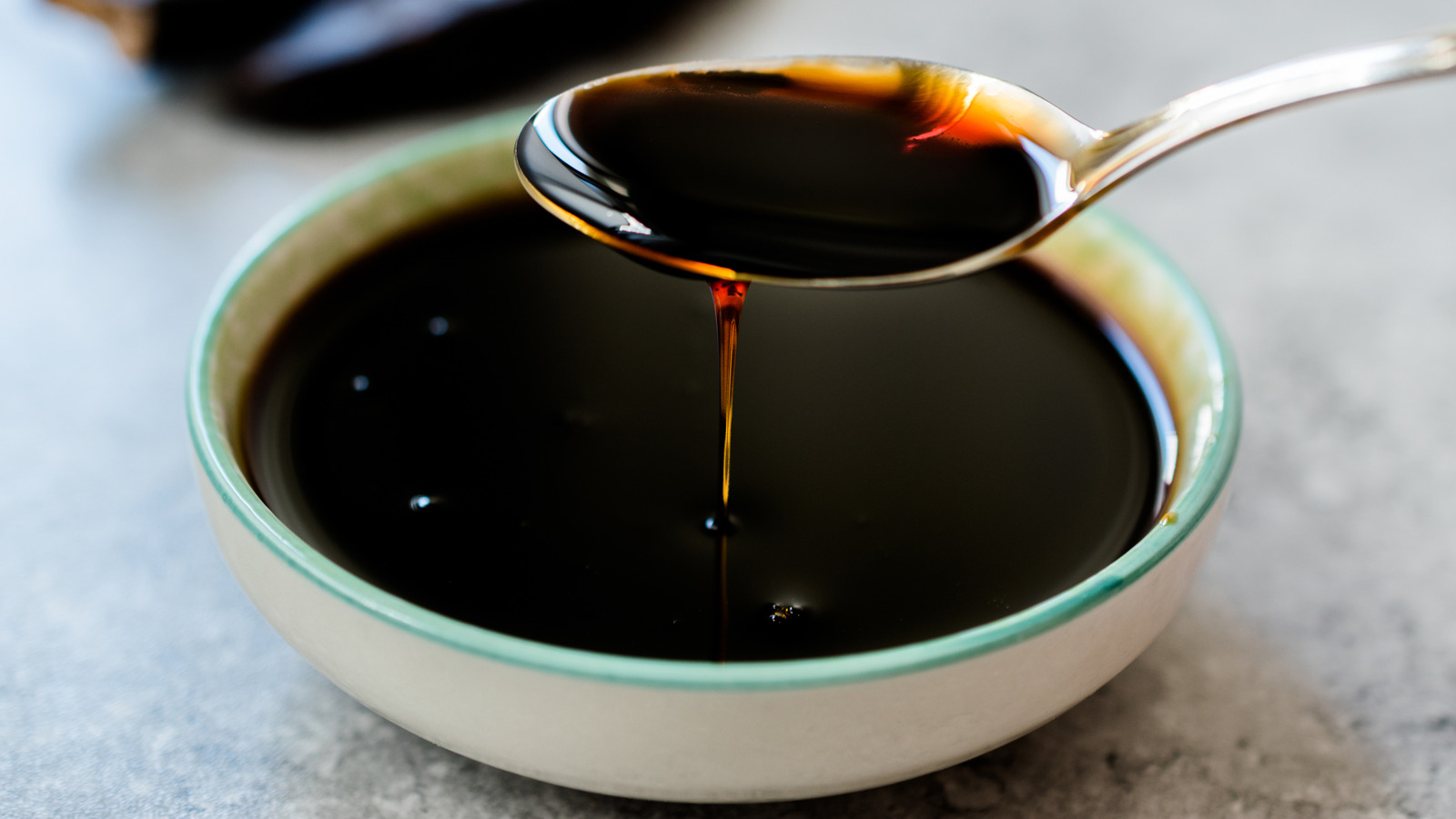
"It's not a pantry item that gets used very frequently, with one jar keeping for a while, so asking how long it lasts is a fair question. The short answer is reassuring, because molasses does not expire in the way other perishable foods do. Unopened, it can last over ten years. Once opened, it's considered shelf-stable, and most manufacturers give it a best-by window of about 18 months for peak quality, which allows for some wiggle room."
"Molasses should be kept tightly sealed in a cool, dark pantry, away from heat sources. Refrigeration isn't necessary, and can actually make molasses thicker and harder to work with, which is why many producers advise against it. Once opened, the biggest risk is contamination by way of moisture off of a wet spoon, steam drifting into an open jar, or not quite sealing the lid when you go to put it away."
"Signs that it's time to toss a jar include visible mold on the surface, an actively fermented or sour smell, bubbling, or obvious signs of insect contamination. Changes like darkening, thickening, or mild crystallization are common with age and usually affect quality, not safety. In other words, molasses doesn't suddenly "go bad." It ages, and how gracefully it does so depends on how it's treated, so be intentional, and always be sure to use a clean spoon."
Molasses is inherently shelf-stable and does not expire like typical perishable foods. Unopened molasses can remain good for over ten years, while opened jars are generally given about an 18-month best-by window for peak quality. Proper storage—tightly sealed in a cool, dark pantry away from heat—preserves texture and flavor. Refrigeration is unnecessary and can make molasses thicker and harder to use. Contamination risks include wet utensils, steam, or improperly sealed lids. True spoilage is rare but indicated by mold, fermentation, bubbling, or insect contamination. Age-related darkening, thickening, or crystallization usually affect quality rather than safety.
Read at Tasting Table
Unable to calculate read time
Collection
[
|
...
]