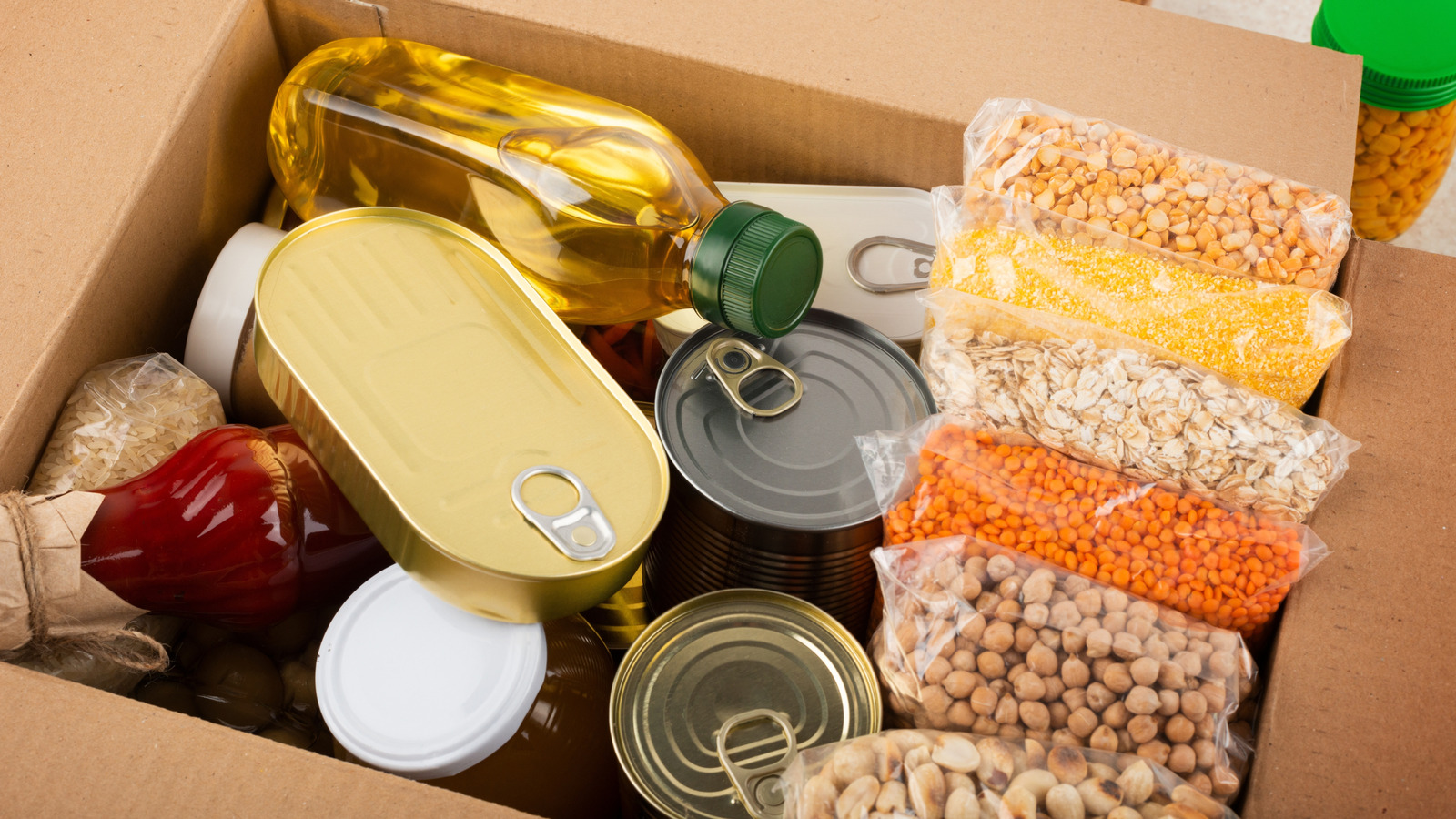
"Donating goods to food banks is something we all should consider. Rising food prices, an increased cost of living, and reductions in social benefits such as SNAP are just some of the stressors that put families at risk of hunger. Food insecurity is a sad reality in the U.S, as vulnerable families with children, the elderly, and disabled veterans might struggle to afford even basic pantry staples."
"Food banks and other non-profits are always in need of non-perishable food donations, and especially need support during the holidays. But before you make your donation, ensure you know which food items you can donate. First and foremost, consider these important criteria, which apply to all food pantries and non-profit organization food drives: items must not be past their expiration date, and packaging needs to be in good condition."
"Some organizations may not even accept items in glass containers, as they can shatter and cause safety concerns for any other food stored nearby. Don't donate anything that you wouldn't consider eating or serving yourself, even if certain foods might still be OK to consume after their "best by" date. Your good intention could turn into a legal liability for the food bank if a recipient should get sick after consuming the donated item."
Rising food prices, higher living costs, and reduced social benefits increase the risk of hunger for families, the elderly, and disabled veterans. Food banks and non-profits rely on non-perishable donations year-round and need extra support during the holidays. Donated items must be within expiration dates and have intact packaging. Avoid dented, bloated, torn, or open containers and consider safety risks from glass. Do not donate foods that would not be served to oneself, since expired or damaged canned goods can develop bacteria and create legal and health liabilities. Check local organization guidelines and prioritize shelf-stable staples like grains, pulses, and nut butters.
Read at Tasting Table
Unable to calculate read time
Collection
[
|
...
]