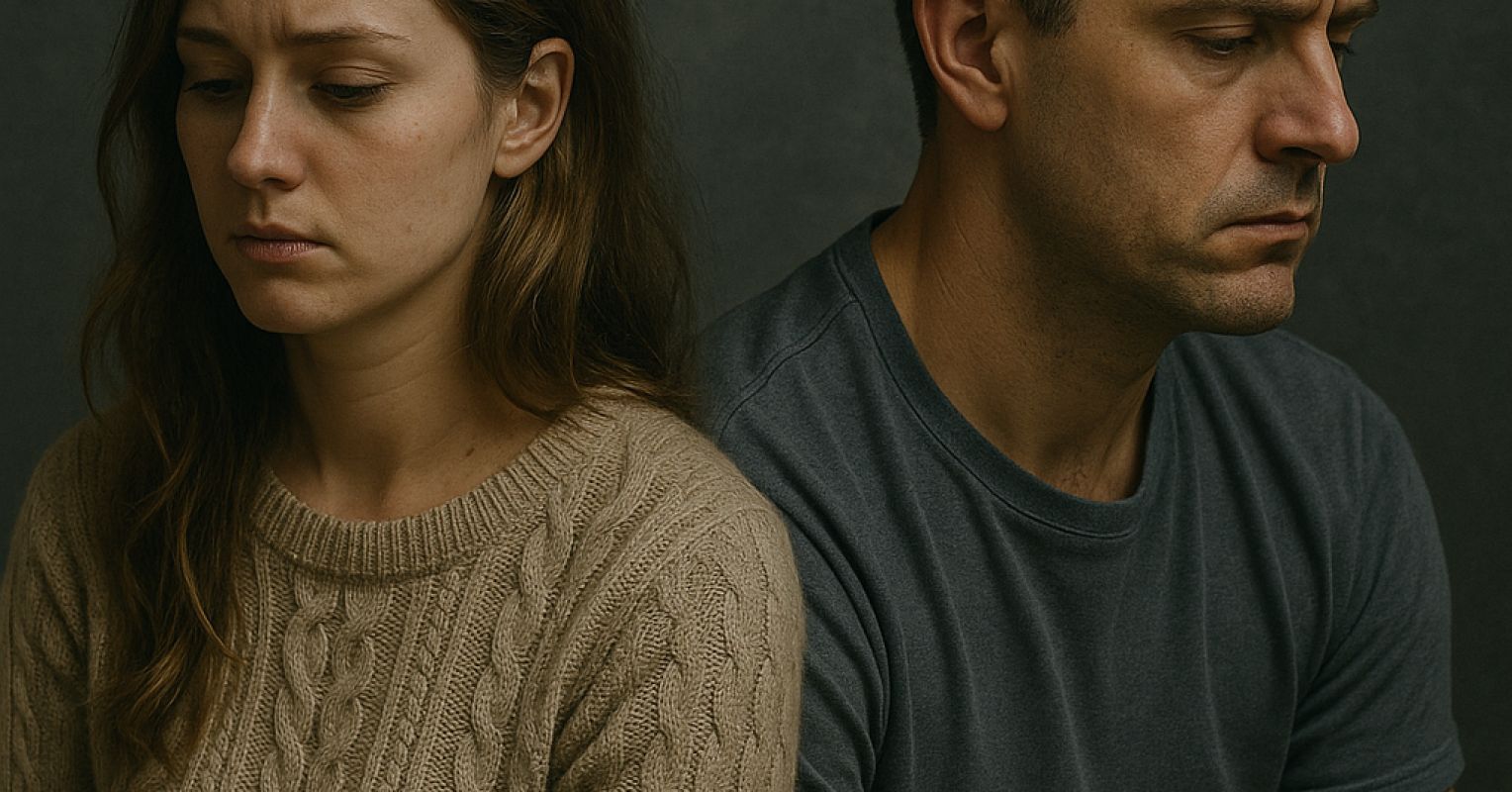
"The 2025 film Frankenstein reframes Mary Shelley's story as a narrative told across two worlds: Victor speaking on a freezing ship after being rescued, and the Creature recounting his long journey of wandering and despair. Healing Through Storytelling The film is structured through storytelling itself-Victor's tale told under duress, and the Creature's own response as a counter-story he had held inside for years. Their exchanges suggest how many relationships fracture when we fail to tell the stories that hold our pain"
"One reason storytelling feels healing is that it finally allows pain to move. Research on emotional disclosure consistently shows that telling the story of a difficult experience lowers physiological stress and increases closeness in ways that silence cannot. In the film, the Creature's posture slowly becomes gentle as he speaks; his voice changes from rage toward sorrow. When Victor listens, his expression changes as well: He no longer sees the Creature as a threat but as a being shaped by abandonment and confusion."
The 2025 film Frankenstein reframes Mary Shelley's tale across two worlds: Victor speaking on a freezing ship and the Creature recounting a long journey of wandering and despair. The film structures itself through storytelling, showing Victor's pressured account and the Creature's counter-story that had been held inside for years. Many relationships fracture when painful stories remain untold; those stories often begin in childhood trauma, shame, or fear and remain buried because telling them feels impossible. Emotional disclosure allows pain to move, lowering physiological stress and increasing closeness. When listeners understand the origins of another's pain, forgiveness and empathy become more likely, enabling repair and meeting through shared narrative.
Read at Psychology Today
Unable to calculate read time
Collection
[
|
...
]