"That documentary was a decade in the making. Things move more quickly now, and the preferred content is more palatable to a mass audience tales of victims' survival and the very rightful conviction of perpetrators meet the voyeuristic appetite and proxy lust for vengeance without requiring too much painful thinking abut the inadequacies of a country's legal system, say, or the corruption of its law enforcement."
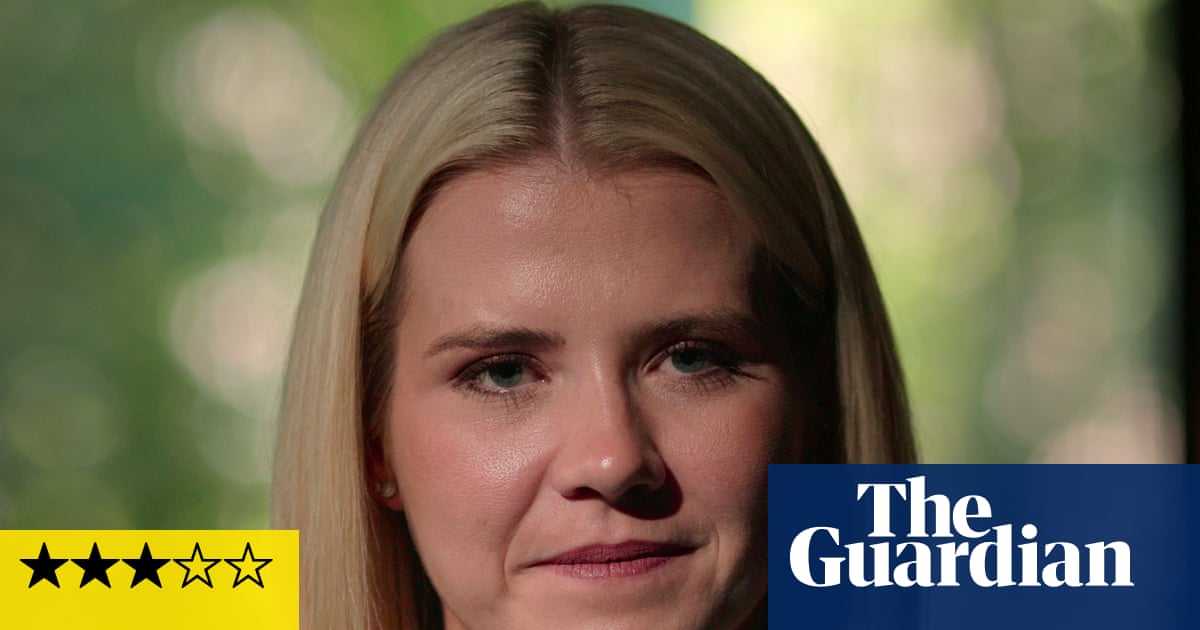
"Kidnapped retells one of the most high-profile stories of abduction there has been in recent times that of Elizabeth Smart, who in 2002 at the age of 14 was taken at knifepoint from her bedroom in the middle of the night while her terrified little sister watched, and held for nine months by a man who raped her virtually every day and threatened to kill her and her family if she tried to escape."
Netflix's true-crime genre has shifted from decade-long projects to faster, more palatable productions that foreground victims' survival and perpetrator convictions. Contemporary true-crime often caters to voyeuristic appetites and proxy vengeance while frequently avoiding deep engagement with systemic legal failures or police corruption. The 90-minute film Kidnapped recounts Elizabeth Smart's 2002 abduction at age 14, her nine-month captivity, the repeated sexual assaults she endured, and the threats against her and her family. The film moves briskly and includes footage of the Smart family's close-knit Mormon community mobilizing searches and posting flyers during the police investigation.
Read at www.theguardian.com
Unable to calculate read time
Collection
[
|
...
]