"Protein is essential for our bodies. The amino acids in the proteins we eat get broken down and used as building blocks for the proteins in our own cells that perform vital functions such as generating energy, copying DNA and turning DNA instructions into other proteins. Our cells rely on 20 amino acids, most of which our bodies can build themselves if needed. But nine"
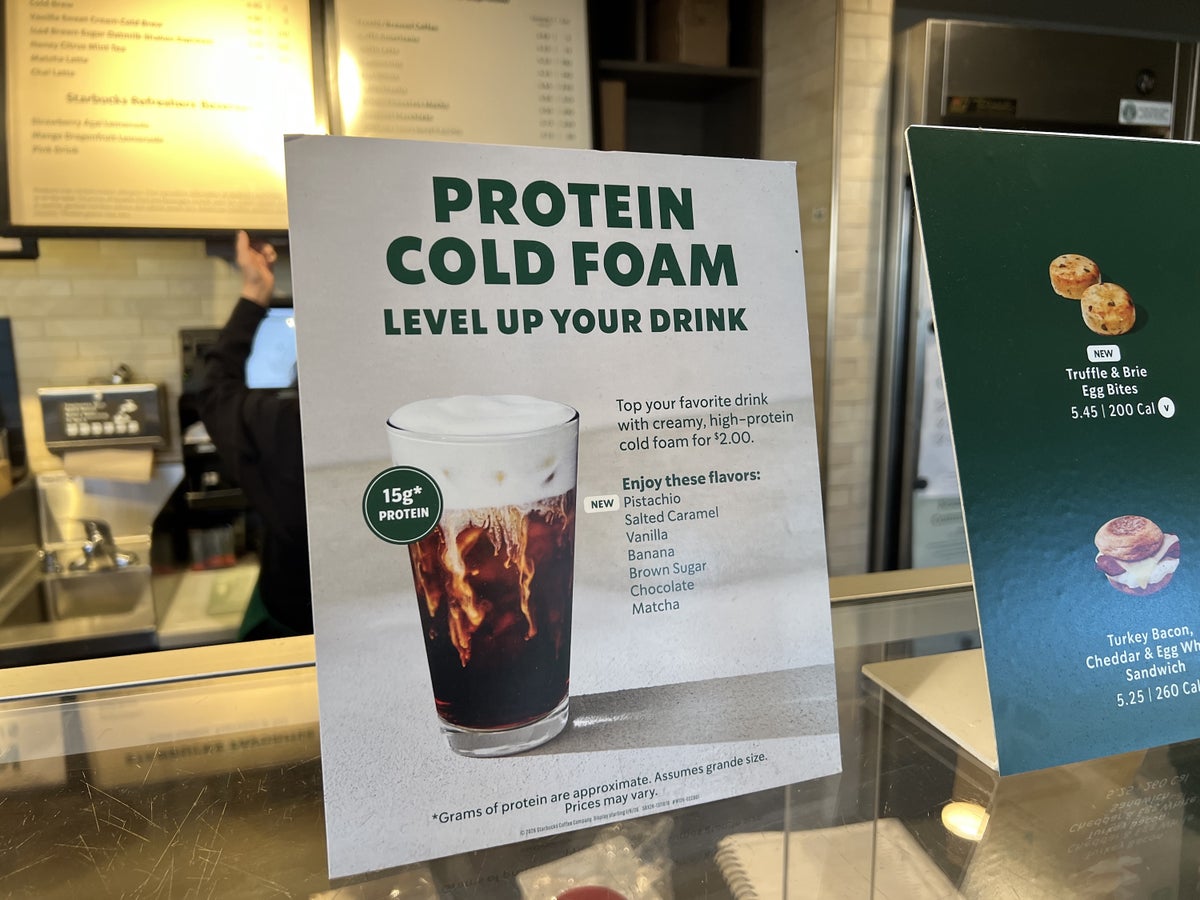
"Companies are filling their foods with extra protein. But while clinicians and scientists suggest that some people might benefit from more of it, simply stuffing protein into your Pop-Tart isn't the way to go. Coming home from a harder-than-usual workout, I felt I deserved a reward. When I saw that my local Starbucks menu advertised a vaguely healthy-sounding iced caramel protein matcha latte with the option to add protein-boosted cold foam, I decided to give it a try."
"Protein-boosted foods and drinks are everywhere these days, from lattes to Pop-Tarts to potato chips. The protein-packing trend has even reached the government's new upside-down food pyramid: The new dietary guidelines website declares that the U.S. is out to win the war on protein. Yet evidence suggests many Americans already get more than the recommended daily amount of protein. And although some people might benefit from a higher protein intake, simply consuming protein-packed Pop-Tarts, scientists say, isn't the way to do it."
Protein is essential because amino acids from food are broken down and used as building blocks for the body’s proteins that support vital functions such as generating energy, copying DNA, and producing other proteins. The body uses 20 amino acids, and most can be made by the body, while nine must come from food. Many Americans already consume more protein than recommended. Some people may benefit from higher protein intake, but simply increasing protein in processed foods and drinks is not the right strategy. Protein-packed products can be marketed as healthy, yet they may not address overall dietary quality or individual needs.
Read at www.scientificamerican.com
Unable to calculate read time
Collection
[
|
...
]